Surf Life Saving Queensland Installs Smart Poles At Sunshine Coast Beach Black Spots
Surf Life Saving Queensland has installed smart-pole emergency beacons at four Sunshine Coast and Noosa locations, adding cameras, help points and rescue equipment to coastal black spots.
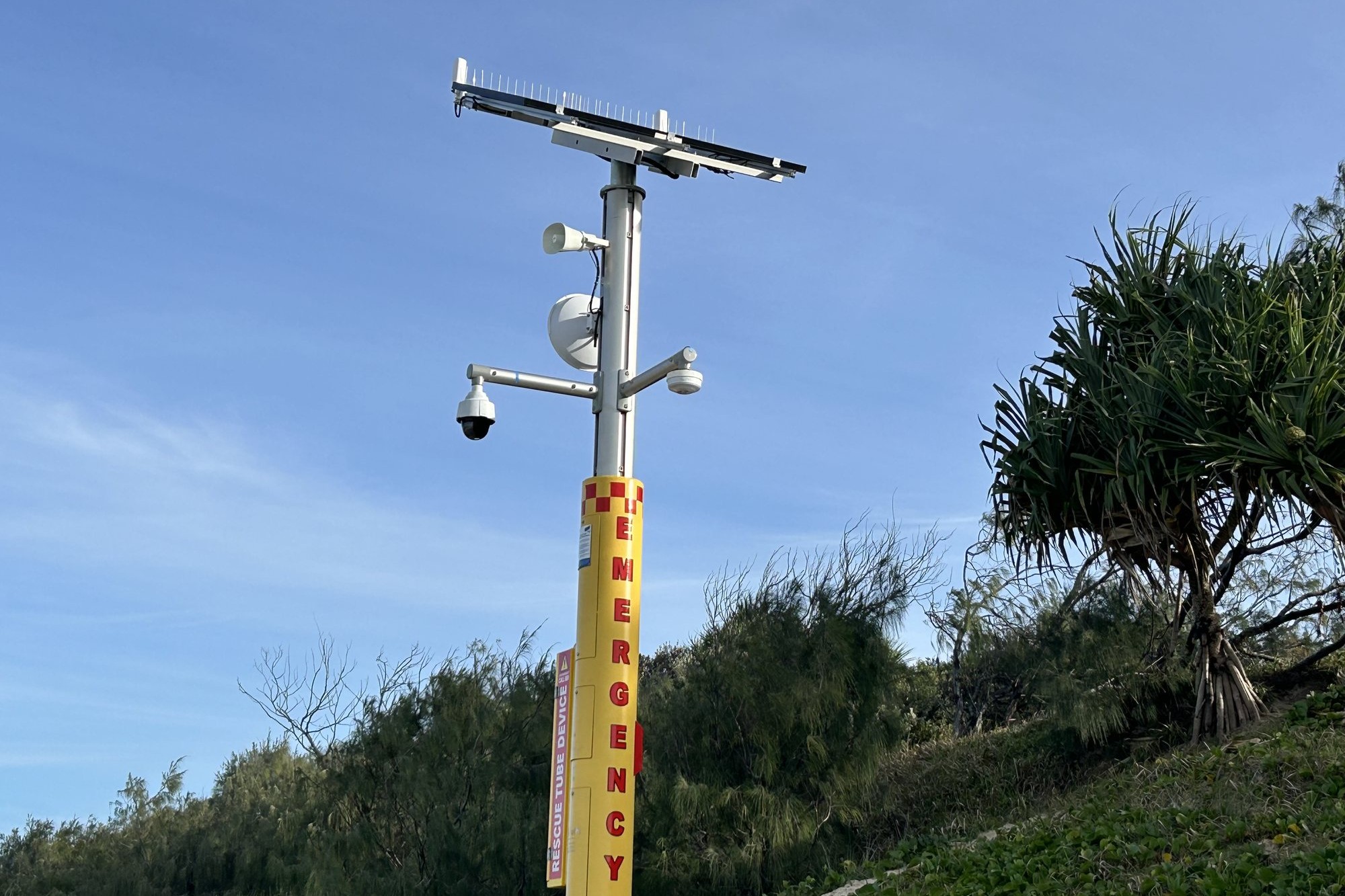
A smart pole emergency beacon installed as part of Surf Life Saving Queensland's coastal safety network.
Surf Life Saving Queensland has installed smart-pole emergency beacons at four Sunshine Coast and Noosa beach locations, adding cameras, help points, public announcement capacity and rescue equipment to areas described as coastal black spots. The rollout places new technology into the beach-safety system at Stumers Creek near Coolum Beach, the Maroochy River mouth at Maroochydore, Alexandria Bay and Noosa North Shore.
Sunshine Coast News reported on 22 June that the devices allow people to contact Surf Life Saving Queensland's State Operations and Communications Centre in an emergency. Live water-facing video feeds are streamed to the centre so operators can assess incidents in real time and coordinate a faster response. The poles also include public announcement systems that allow warnings and safety messages to be delivered remotely to beachgoers.
The installations have drawn some social media criticism because they include cameras in coastal spaces where people are used to a more natural setting. Surf Life Saving Queensland has framed the project as a public safety measure backed by local councils, designed to strengthen response capability at places where lifeguard coverage, surf conditions and visitor behaviour can create elevated risk. That tension between privacy concerns and emergency response value is likely to remain part of the public debate.
The locations explain why the system has attracted attention. River mouths, unpatrolled stretches and more isolated beach access points can change quickly. People may underestimate currents, swim outside patrol zones, become stranded, or need help before a patrol or rescue crew is physically nearby. A help point and remote camera cannot replace lifesavers on the sand, but it can shorten the time between a person recognising danger and trained operators understanding what is happening.
The technology is also designed for difficult conditions. The beacons are built to withstand extreme weather and use solar power, according to the source report. Each site includes public rescue equipment, giving bystanders a potential tool while professional help is on the way. In a surf emergency, those minutes matter. The practical test will be whether visitors can recognise the poles quickly, understand how to use them and trust that calling for help through the device will trigger a real response.
For Sunshine Coast communities, the smart-pole rollout is another sign that beach safety is becoming more data-led and communications-led. Traditional flags, patrols and surf education are still central, but technology can extend eyes and voice into places where permanent staffing is difficult. The risk is that technology creates a false sense of coverage if swimmers assume every beach is monitored in the same way. Clear public messaging will be essential.
The smart poles should therefore be judged by outcomes, not novelty. If they speed up rescues, improve warnings and give operators better information at known trouble spots, the investment will be easier to defend. If they are poorly understood or seen only as cameras on the coast, the rollout may struggle for public trust. For now, the Sunshine Coast has a visible new layer in its beach-safety network.
More in Weather & Surf
Keep reading
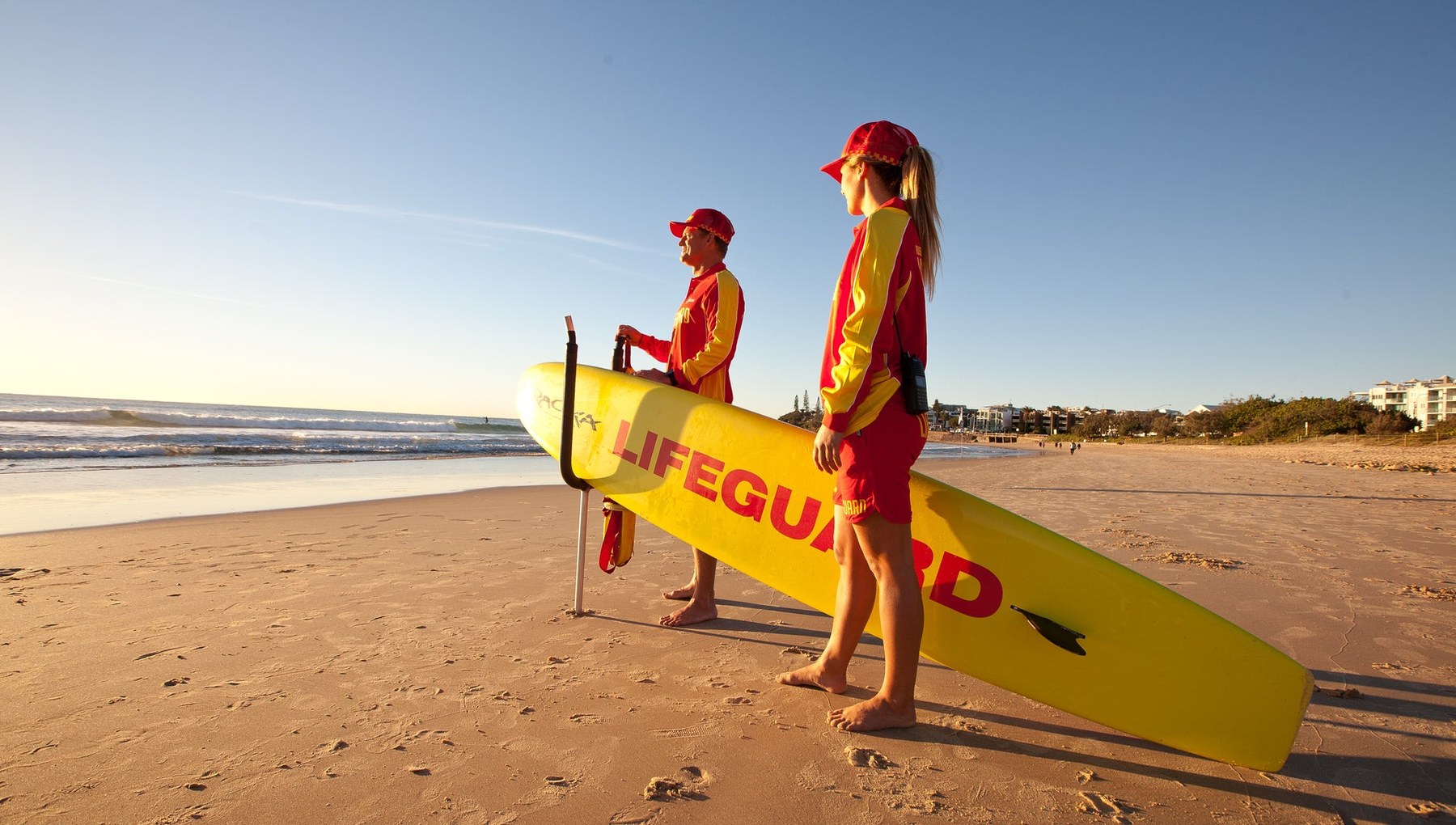
BOM Forecast Gives Sunshine Coast Waters Sunny Week With Light Winds And Low Seas
The Bureau of Meteorology's Sunshine Coast Waters forecast is pointing to a mostly sunny and relatively manageable stretch for the marine zone between Double Island Point and Cape Moreton, with light winds and seas generally around or below one metre through the middle of the week. The official forecast available on August 4 described a high-pressure pattern over south-east Australia and lighter conditions compared with stronger winter southerly patterns that can make offshore and exposed-water plans more difficult.
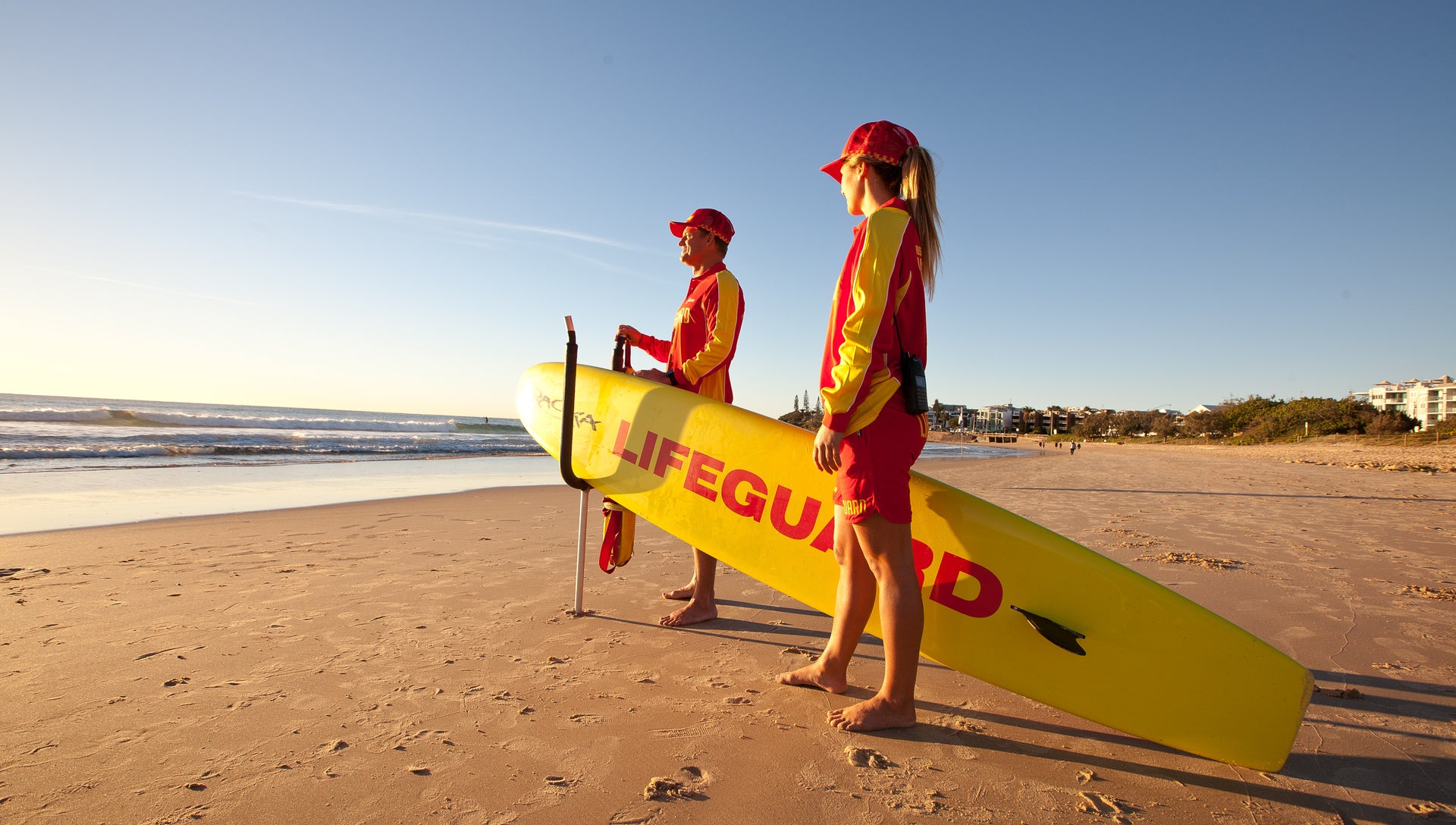
BOM Forecast Puts Sunshine Coast Waters In Showery South-Easterly Weekend Pattern
The Bureau of Meteorology is forecasting a showery south-easterly pattern for Sunshine Coast waters heading into the weekend, with Friday and Saturday both expected to bring 15 to 20 knot winds and elevated shower chances.
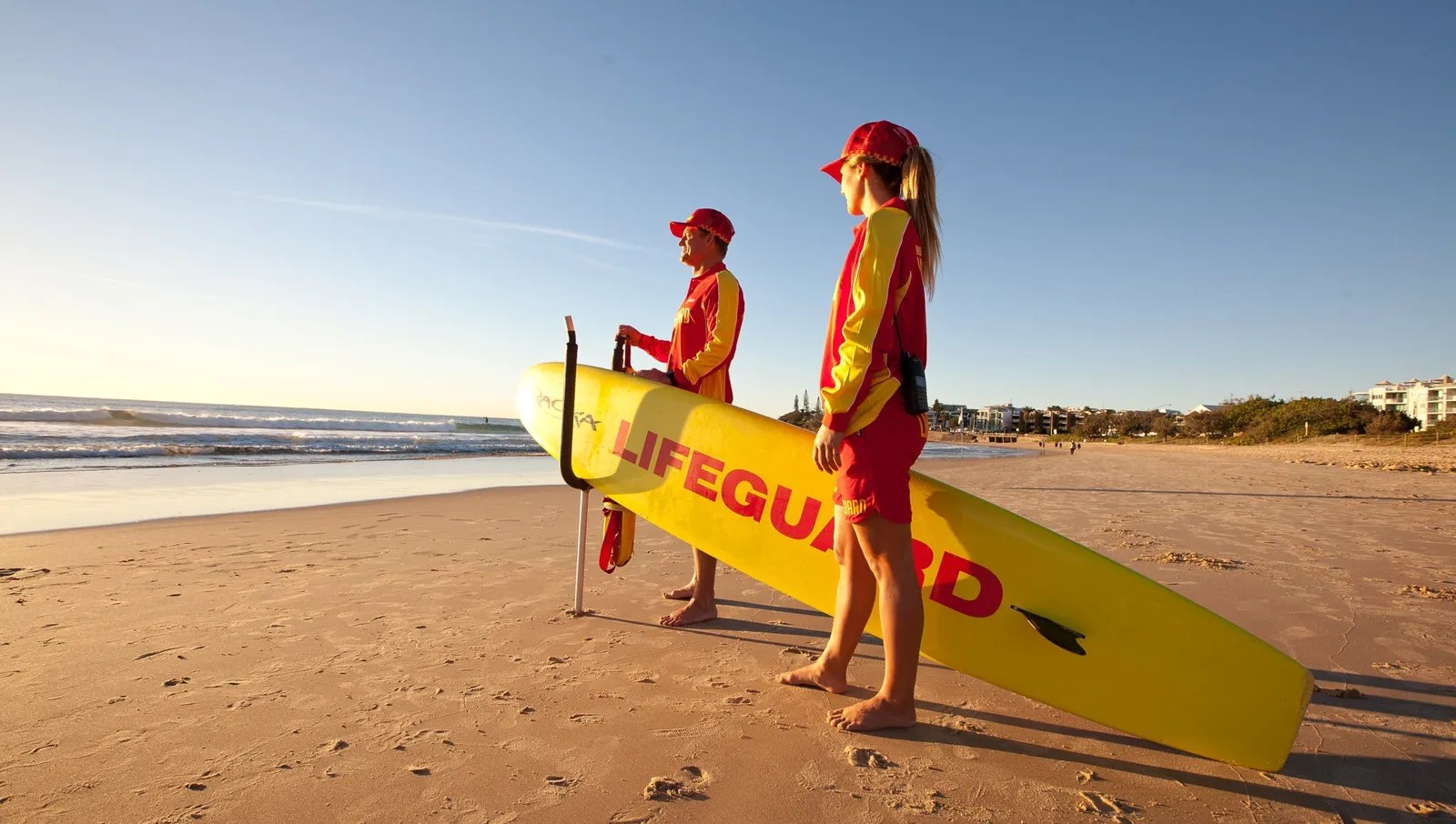
BOM Forecast Gives Sunshine Coast Waters Sunny Thursday Before Showery Friday
The Bureau of Meteorology is forecasting a sunny Thursday for Sunshine Coast waters before a stronger southeasterly flow and a high chance of showers arrive on Friday.