Yandina Service Station Sign Approved After Council Scales Back Pylon Height
Sunshine Coast Council has approved a revised pylon sign for a Yandina service station site after the applicant reduced its height, keeping a local planning argument alive around heritage character.
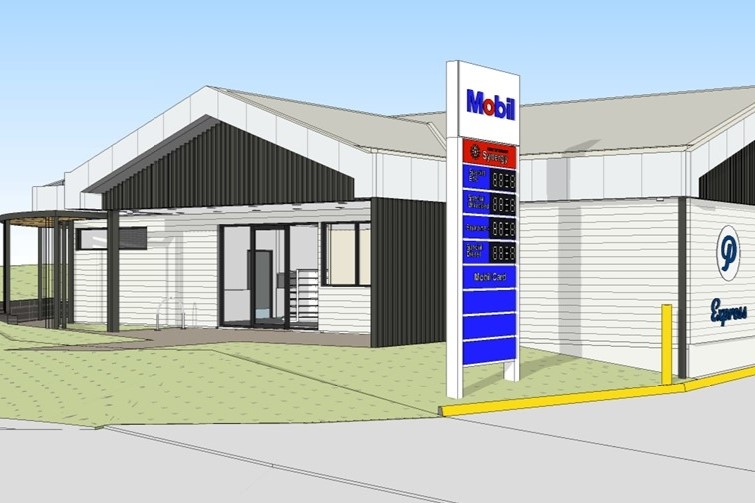
A revised pylon sign has been approved for the Yandina service station site at Stevens and Farrell streets.
Sunshine Coast Council has approved a revised pylon sign for a Yandina service station site after the applicant reduced its height, keeping a local planning argument alive around heritage character, highway-era business needs and town-centre amenity.
Sunshine Coast News reported that the development permit covers one freestanding advertising device at the corner of Stevens and Farrell streets. The decision notice was issued on June 8 after the permit for operational work was approved with conditions on June 1. The application was lodged by Pearl Pacific Properties through Urban Planet Town Planning Consultants, with the sign tied to a service station development already under construction.
The broader service station was approved by the Planning and Environment Court in 2023 after council had initially refused it in 2021. That history matters because the sign is not being assessed in a vacuum. It sits inside a long-running debate about how much car-focused commercial development should be allowed in a town with a recognised heritage streetscape.
Earlier this year, the Yandina and District Community Association raised objections to the original six-metre pylon sign, arguing it would dominate the town's heritage streetscape and be out of character with the area. Sunshine Coast News reported that council's assessment noted the applicant reduced the height to five metres while retaining a maximum sign face area of 10 square metres. Approved plans require the sign to be set back at least one metre from Farrell Street.
Council's assessment found the amended sign either complied with planning scheme requirements or could be conditioned to comply. Planners said a five-metre sign with a 10 square metre face reflected deemed-to-comply standards for pylon signs and was of a scale expected for the type of sign proposed. They also concluded it would not detract from the visual amenity of the scenic route, noting another service station with a pylon sign already nearby.
For local residents, that reasoning may not end the argument. Yandina's character is one of its economic assets, and community groups often worry that incremental approvals can slowly change a town even when each individual decision appears technically compliant. A one-metre reduction in sign height may satisfy the code, but locals may still ask whether the cumulative effect of service stations, signage and traffic movements fits the town they are trying to protect.
For businesses, the issue looks different. A service station needs visibility, especially at a corner site where fuel, convenience retail and passing trade depend on drivers seeing the site in time to enter safely. Commercial signs are not decorative extras; they are part of how the business operates. The planning question is how to balance that visibility with heritage and streetscape values.
The decision shows the limits of compromise in local planning. Reducing the sign from six metres to five metres gives council a concrete change to point to, while retaining enough scale for the operator. But it will not satisfy residents who believe the development itself is incompatible with the character area.
Yandina is not the only Sunshine Coast town facing this tension. Hinterland and rail-line communities are trying to retain village identity while still accommodating services for residents, visitors and trades. Every sign, driveway and commercial frontage becomes part of that negotiation. The approved pylon is a small object in planning terms, but it represents a much larger question: how much modern roadside business infrastructure can a character town absorb before its main-street identity starts to change.
More in Business
Keep reading
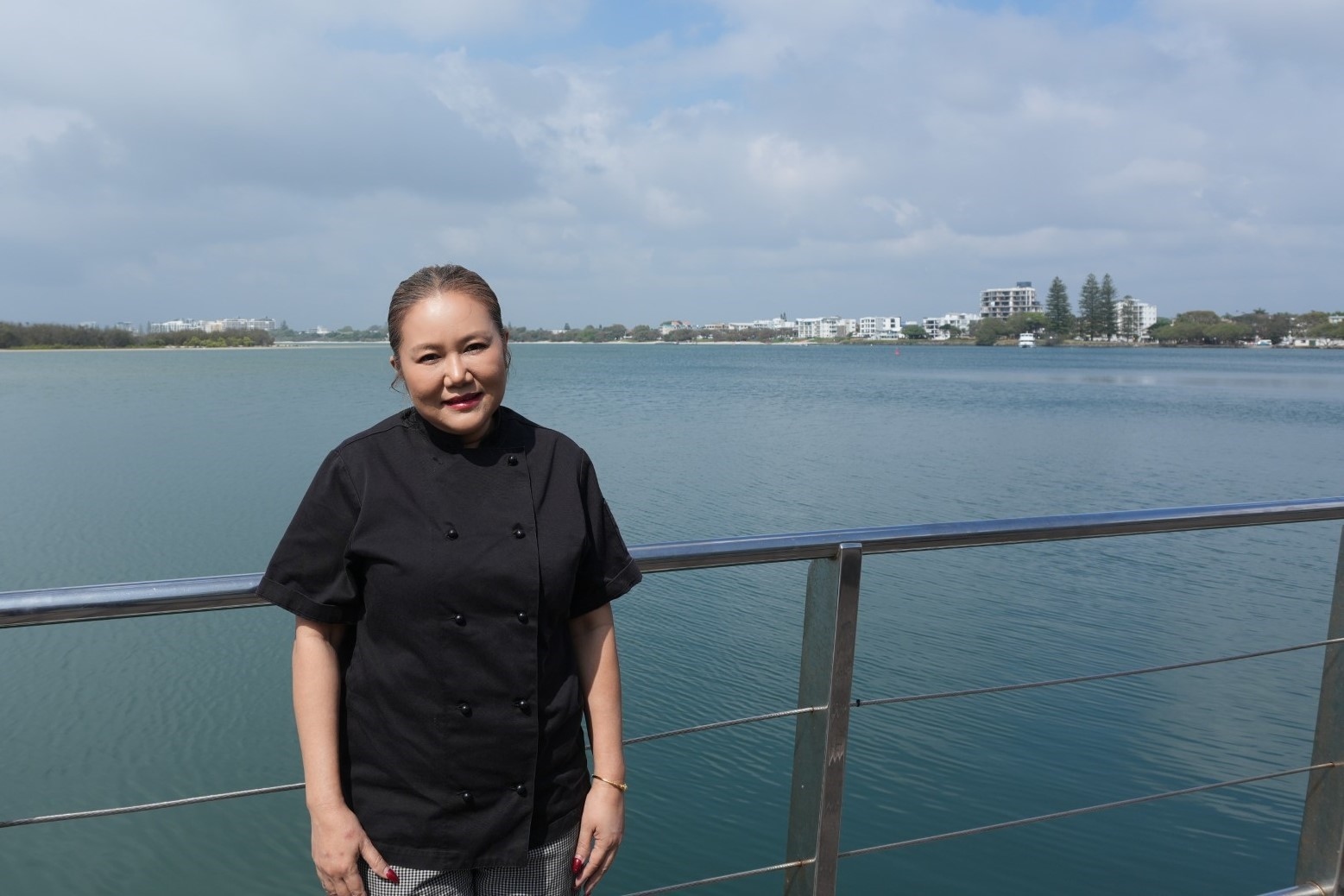
Nadao Dhomasaroj Sets Wung Nam Thai Up For Its Next Caloundra Chapter
After 25 years at Bulcock Beach, Wung Nam Thai Water Palace is balancing family history, award recognition and a gradual handover to the next generation.

Carl Burroughs And Yan Fang Former Beerwah Dental Company Enters Liquidation As Practice Continues
A former operating company behind Beerwah Dental has entered liquidation, creating a business-record story that needs to be read carefully because the dental practice itself says it is continuing under new ownership. The company identified in the Australian Securities and Investments Commission notice is ACN 622 858 833 Pty Ltd, formerly known as Beerwah Dental Group Pty Ltd. Reporting based on the corporate filings says the company was placed into liquidation on July 30, 2026, and that Matthew John Bookless was appointed liquidator.
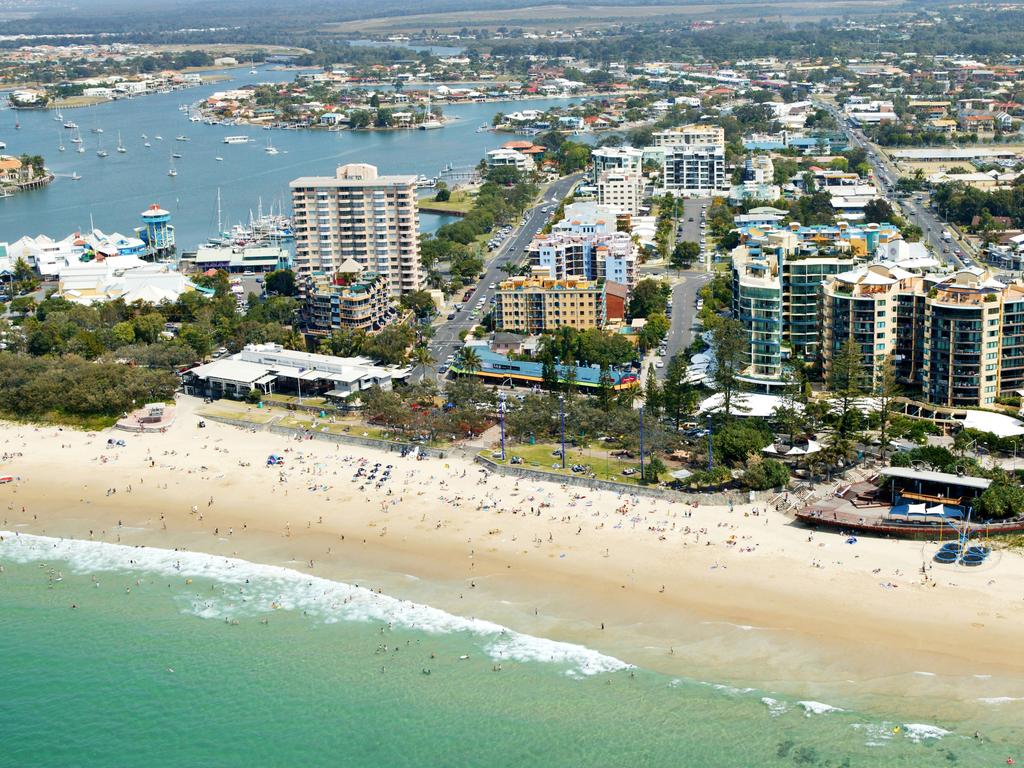
Ronald Hulsman Gold Sun Holdings Liquidation Leaves $1.34m Debt Trail At Mooloolaba Resort Club
A Mooloolaba-linked holiday accommodation business has moved deeper into the insolvency process, with reporting based on corporate regulator documents saying Gold Sun Holdings Pty Ltd owes an estimated $1.34 million after entering liquidation. The company operated The Resort Club, a discounted accommodation booking service connected with holiday stays across Queensland, Western Australia and Tasmania. ASIC's published notice lists Gold Sun Holdings Pty Ltd, ACN 117 369 874, as in liquidation, with an appointment date of July 20, 2026.