UniSC Volker Herzig Study Finds Spider Venom Peptides Could Protect Honeybees
A University of the Sunshine Coast-led study has identified biodegradable spider venom peptides that killed varroa mites without harming honeybees in laboratory testing.
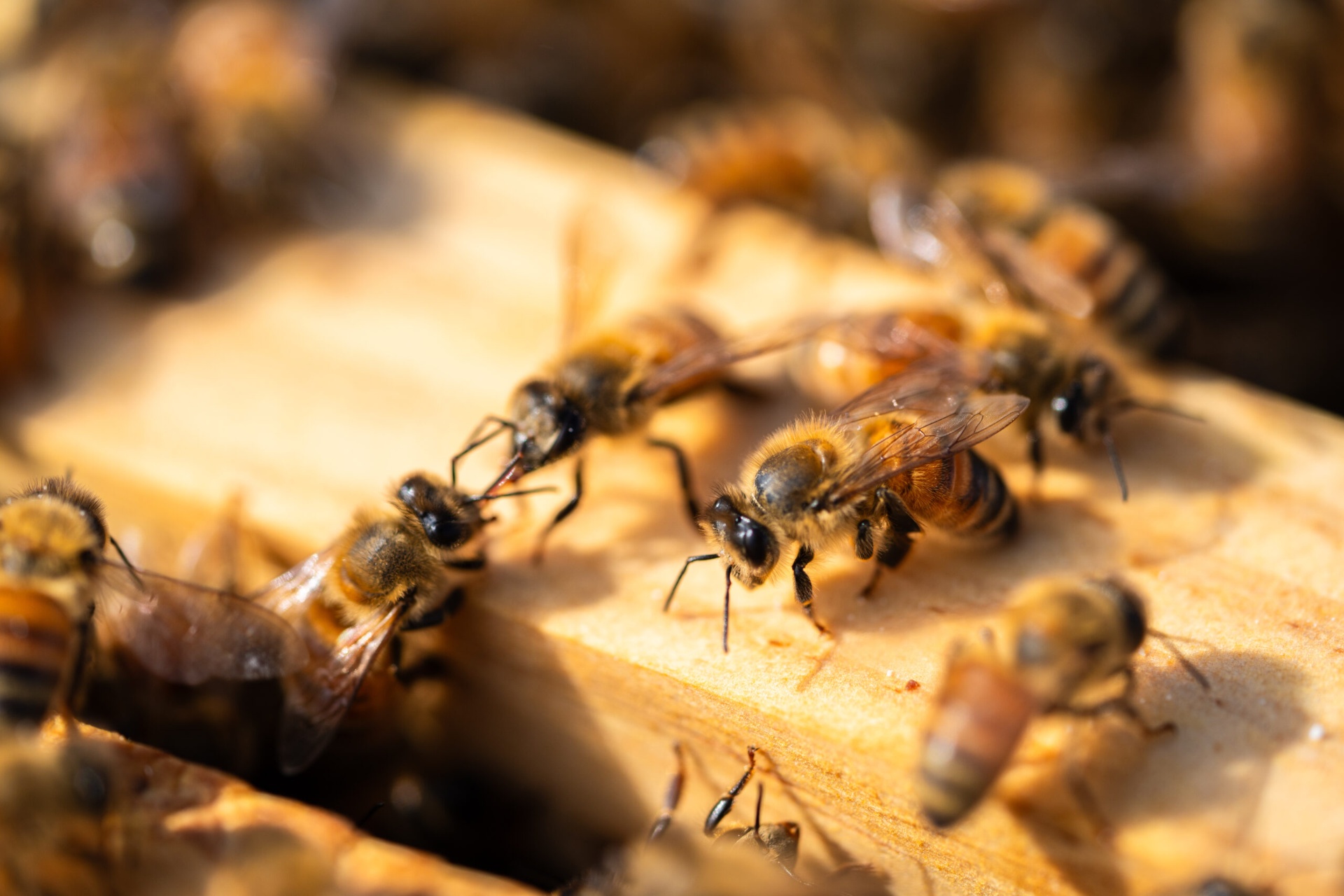
UniSC-led research has identified venom peptides that killed varroa mites without harming honeybees in laboratory testing.
A University of the Sunshine Coast-led study has identified biodegradable spider venom peptides that could become a new way to protect honeybee hives from the destructive varroa mite. Sunshine Coast News and UniSC both reported the finding this week, describing laboratory work led by Associate Professor Volker Herzig in which selected venom components killed Varroa destructor mites without harming bees.
The research is still at an early stage, but the practical importance is clear. Varroa mites are one of the biggest threats to managed and wild honeybee populations because they weaken bees, transmit viruses and can devastate colonies. Existing chemical controls are under pressure as mites develop resistance and as beekeepers look for options that are effective, targeted and more environmentally sustainable. UniSC says the newly identified peptides, named Ht1a and Gg1a, are fully biodegradable and may have commercial potential if further testing confirms they work safely in real hives.
The study began with broad screening. Researchers tested 50 venoms, mostly from spiders and scorpions, by applying them externally to the mites. UniSC reported that more than 75 per cent killed mites within 24 hours, after which two of the most potent spider venoms were selected for further analysis. The team then isolated specific peptide components from the Tasmanian cave spider and the Giant Japanese funnel-web spider and applied those to mite bodies. The result, according to the reporting, was selective activity against mites while the bees survived.
Herzig's Sunshine Coast base matters because the work sits inside a long-running UniSC research strength. His profile describes a research focus on biodiscovery of arthropod venom components for use in science, medicine and agriculture, and Sunshine Coast News reported that his arachnid venom biobank is one of the world's largest. That kind of collection turns what might sound like an unusual idea into a practical research asset: many venom compounds exist because nature has already evolved highly specific biological tools.
The next phase will decide whether the discovery can move from laboratory promise to beekeeper use. Sunshine Coast News reported that a new $50,000 Community Bee Innovation Fund grant from the State Government will support further research. Herzig said the next steps include testing the peptides on honeybees carrying varroa mites and applying them in mite-infested beehives to see how they perform in real conditions. Those stages are essential because hive environments are more complex than controlled tests, with different exposure levels, bee behaviour, comb conditions and safety considerations.
For the Sunshine Coast, the story is a reminder that local university research can connect directly to global food security. Bees support pollination across horticulture and agriculture, and the economic impact of colony losses reaches well beyond beekeepers. A commercial treatment is not guaranteed, and the current finding should not be oversold as an immediate solution. But a biodegradable, bee-safe mite treatment would be valuable if it can be proven at scale. The Coast now has a clear research stake in that problem, and Herzig's team has produced a lead that the beekeeping and agriculture sectors will watch closely.
More in Environment
Keep reading

Mooloolaba And Noosa Flood-Risk Warning Pushes Coastal Planning Back Into View
New climate-risk reporting has named Mooloolaba and Noosa Heads among vulnerable coastal hotspots, renewing attention on insurance, planning and public infrastructure.
Mount Coolum Golf Club Tree Approval Turns On Wildlife Checks Before Work Starts
Sunshine Coast Council has approved limited tree removal and pruning at Mount Coolum Golf Club, with wildlife inspections and native bee protections attached.
Rosanna Natoli Urges Sunshine Coast Residents To Prepare As Bushfire Season Begins
Sunshine Coast Mayor Rosanna Natoli has urged residents to prepare now as bushfire season begins, warning that a wet winter does not remove the region's fire risk. Sunshine Coast Council's official August 4 release said the season had officially arrived and called on households to create a bushfire survival plan, clear gutters, manage vegetation around homes and stay alert to changing conditions. The message is practical: preparation has to happen before smoke is visible.