Mooloolaba And Noosa Flood-Risk Warning Pushes Coastal Planning Back Into View
New climate-risk reporting has named Mooloolaba and Noosa Heads among vulnerable coastal hotspots, renewing attention on insurance, planning and public infrastructure.
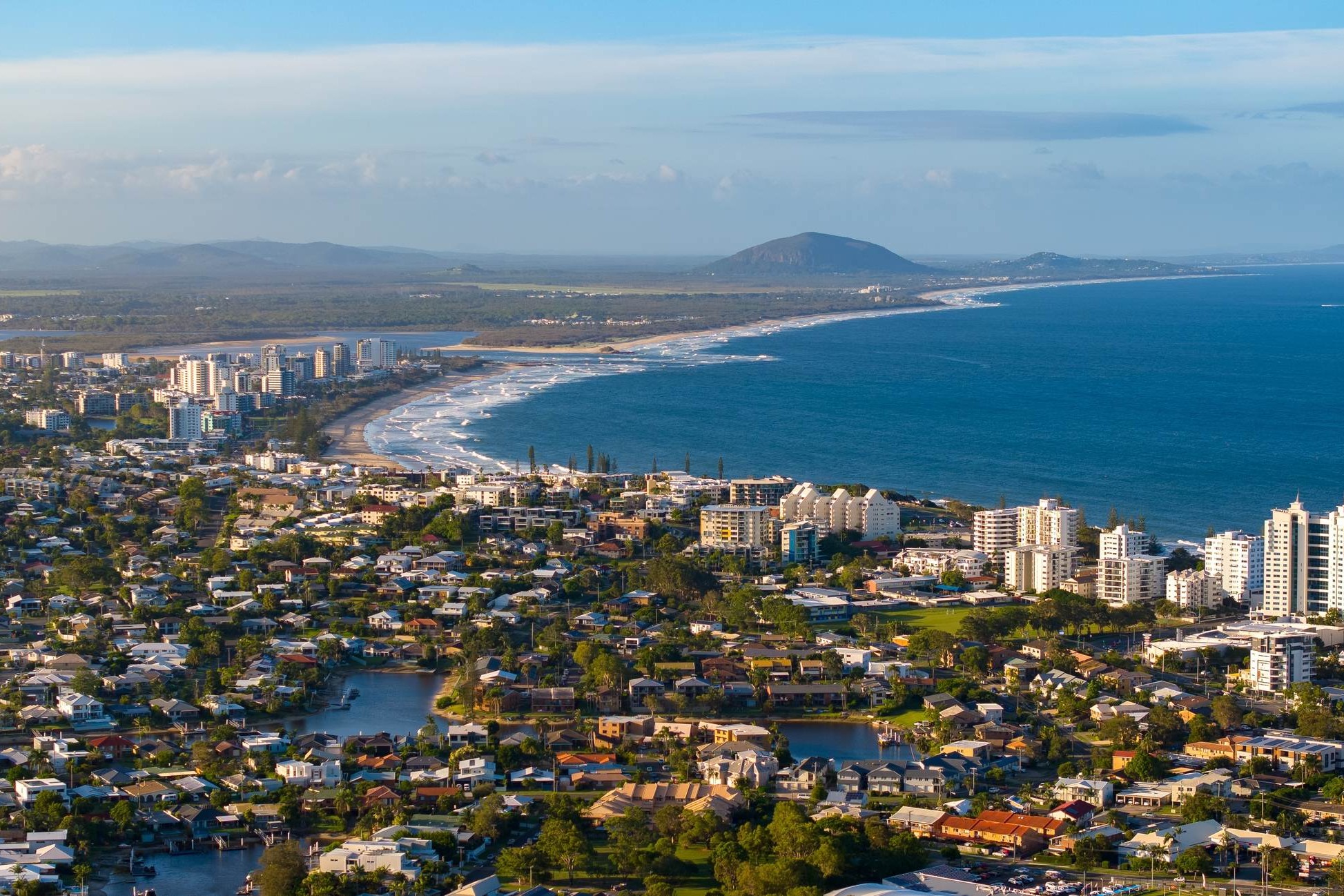
Coastal flooding and storm-tide risk remain live planning issues for low-lying parts of the Sunshine Coast.
A new coastal-risk warning has pushed Mooloolaba, Noosa Heads and other low-lying Sunshine Coast areas back into the centre of the planning conversation. Reporting on the Climate Council's latest assessment says Queensland faces the highest number of properties at risk nationally, with Mooloolaba and Noosa Heads identified among vulnerable hotspots.
The local concern is not only whether water reaches individual homes in one severe event. The larger issue is repetition. Coastal flooding driven by storm surge on top of rising seas can damage the same exposed properties again and again, raising repair bills, insurance stress and uncertainty for owners, buyers and lenders.
Sunshine Coast Council has noted that its own flood mapping differs from the national modelling, but it also accepts that the region has to prepare for increased coastal inundation, erosion and other climate-related impacts. That distinction matters. Public risk reports can start the conversation, while local planning maps guide specific development decisions and property checks.
The high-risk geography is familiar to many residents: sandy low-lying coast, tidal rivers, canal areas and places where stormwater, tides and heavy rain can interact. The article identified areas such as Noosa, Mooloolaba, Bribie Island, Maroochydore, Caloundra, Noosaville and Pelican Waters as the kinds of settings where exposure can become expensive.
Insurance is the pressure point that turns climate language into household finance. If repeated flooding makes homes harder or more expensive to insure, property values, mortgage access and renovation decisions can all be affected. The report also raised the problem that many private policies do not cover actions of the sea, including direct coastal flooding from storm surges.
Public infrastructure is part of the bill too. Even residents outside waterfront streets can be affected if beaches, roads, paths, parks and council assets require more frequent repair or protection. Seawalls may buy time in some places, but they can be expensive and can shift erosion pressure elsewhere.
The practical local response is likely to be less dramatic than the headlines. It will involve due diligence before buying, more resilient building and renovation choices, clearer risk information and planning rules that account for future conditions rather than only past flood marks. Council says its planning scheme has included climate-change forecasts in flood immunity requirements since 2014.
The harder question is where new development should not go, or should only proceed with conditions that make the long-term risk transparent. For a coastal region built around water, amenity and lifestyle, that conversation will never be simple. But the warning makes clear that avoiding the question does not avoid the cost.
More in Environment
Keep reading
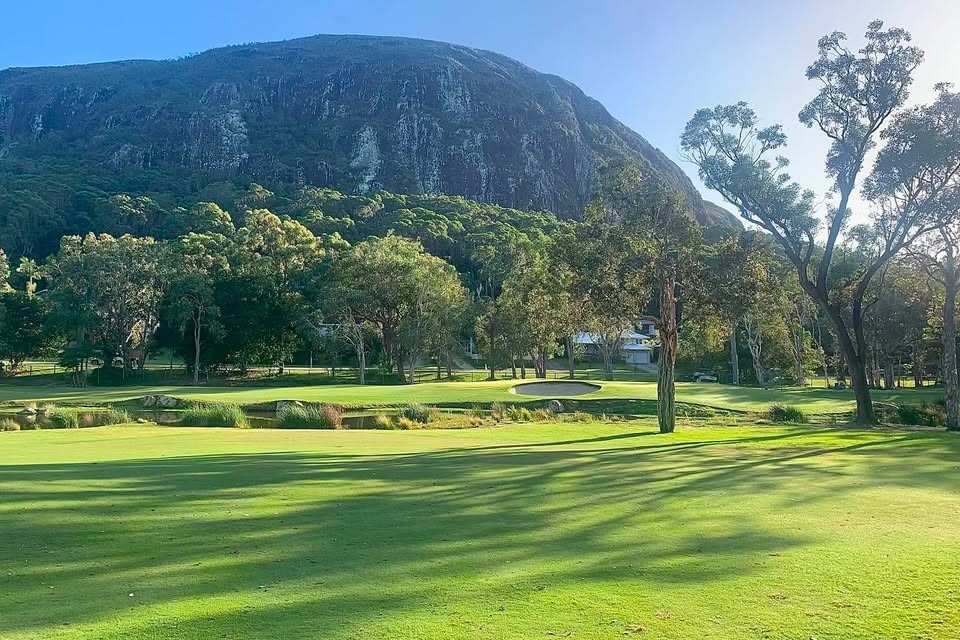
Mount Coolum Golf Club Tree Approval Turns On Wildlife Checks Before Work Starts
Sunshine Coast Council has approved limited tree removal and pruning at Mount Coolum Golf Club, with wildlife inspections and native bee protections attached.
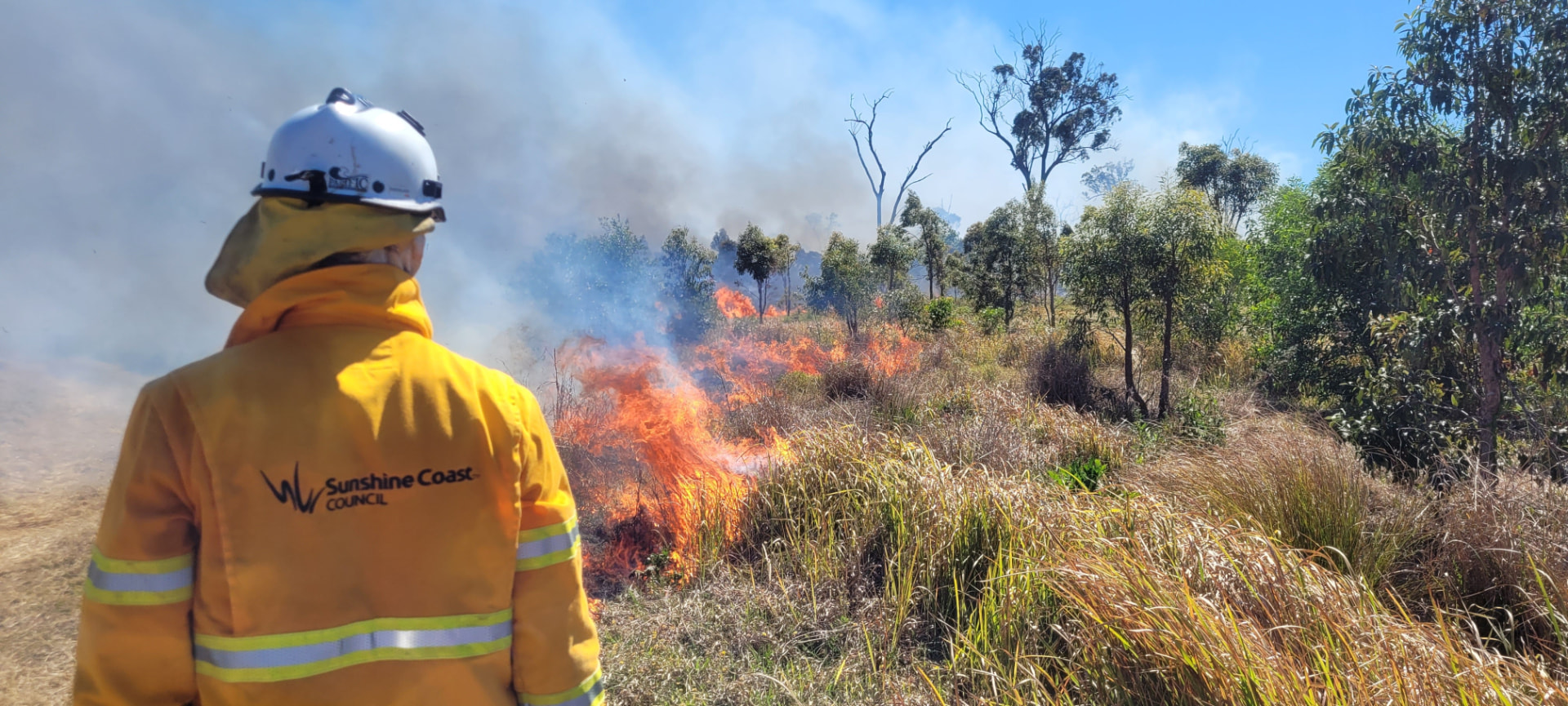
Rosanna Natoli Urges Sunshine Coast Residents To Prepare As Bushfire Season Begins
Sunshine Coast Mayor Rosanna Natoli has urged residents to prepare now as bushfire season begins, warning that a wet winter does not remove the region's fire risk. Sunshine Coast Council's official August 4 release said the season had officially arrived and called on households to create a bushfire survival plan, clear gutters, manage vegetation around homes and stay alert to changing conditions. The message is practical: preparation has to happen before smoke is visible.
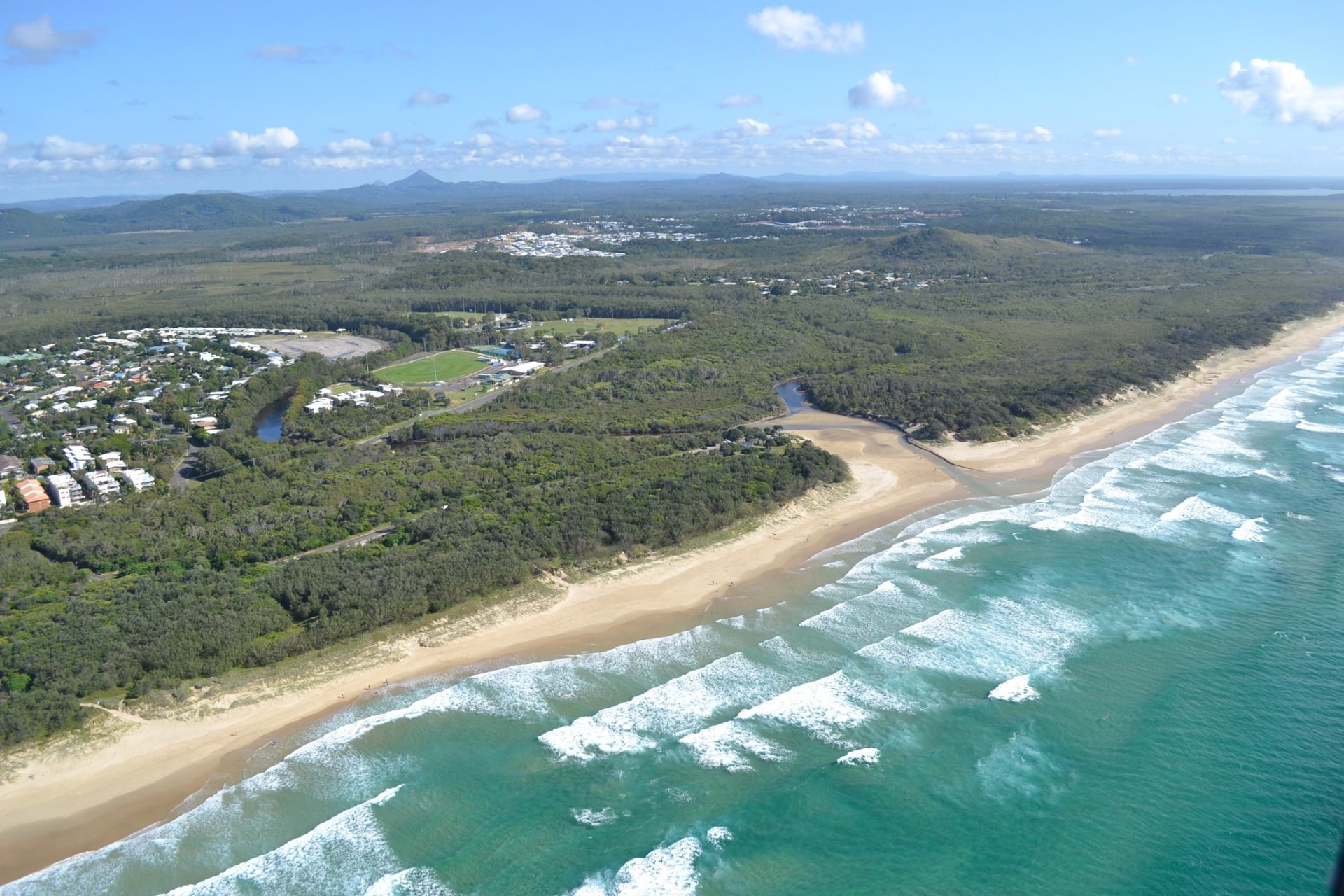
Sunshine Coast Council Sets Stumers Creek Access Review At Coolum Beach
Sunshine Coast Council has allocated more than $67,000 for investigations and design work at Stumers Creek, setting up a review of vehicle, pedestrian and emergency access at one of Coolum Beach's busiest recreation spots.