Queensland Shark Research Project Puts Sunshine Coast Beach Safety Under Microscope
A $2.4 million Queensland shark research project is now part of the beach-safety conversation for the Sunshine Coast, with state-backed scientists examining populations and behaviour.
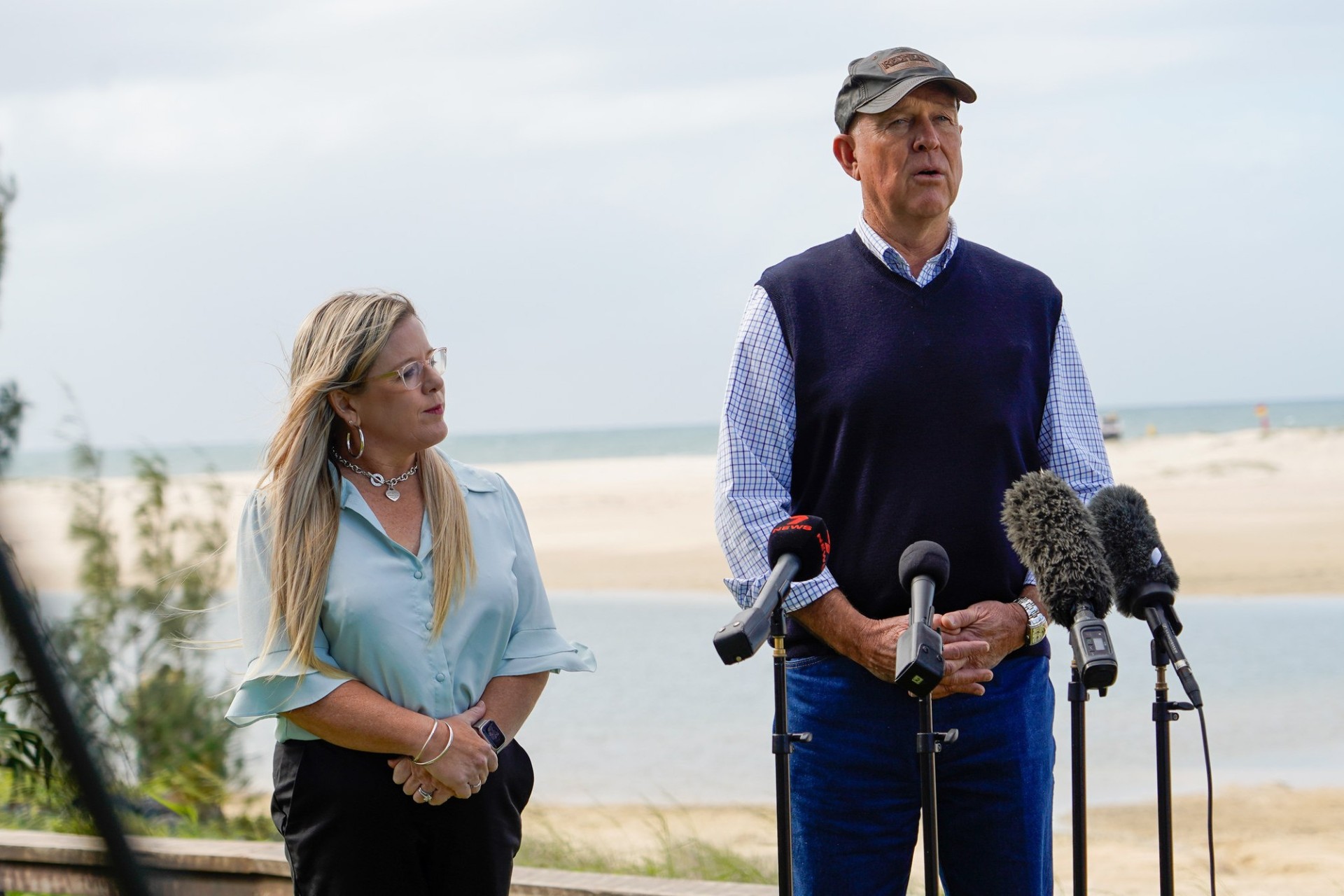
Queensland's new shark research program will examine shark populations and behaviour to inform beach safety decisions.
A $2.4 million Queensland shark research project is now part of the beach-safety conversation for the Sunshine Coast, with state-backed scientists examining shark populations and behaviour to guide future decisions.
Sunshine Coast News reported that the research will investigate Queensland's shark population and behaviour, including bull sharks and tiger sharks, with the aim of improving swimmer safety. A Queensland Government media statement released last week described the work as a world-leading project and said it would use genomic research into key shark species as part of the evidence base for fisheries and water safety decisions.
The project is being delivered in stages. Sunshine Coast News reported that stage one is already underway and examines key biological attributes across a range of shark species, including how east coast populations respond to pressures such as fishing. DNA analysis of breeding populations and past impacts is part of that work.
For the Sunshine Coast, the research is relevant because beach safety is both a community issue and a tourism issue. The region's beaches are central to daily life, surf clubs, school holidays, events and visitor marketing. Decisions about shark control, swimmer protection, fisheries management and environmental impacts are watched closely by residents, tourism operators, conservation groups and families who simply want confidence in the water.
The value of the research is that it may move the debate beyond assumptions. Shark safety discussions often become emotional because the consequences of rare incidents can be severe. Good data does not remove risk, but it can help government and lifesaving agencies understand which species are present, how populations behave, and what management tools are most likely to reduce danger without creating unnecessary environmental harm.
That balance matters on the Sunshine Coast. The region's beach identity depends on clean water, healthy marine life and safe public access. A program that treats sharks only as a threat would miss the ecological role they play. A program that treats safety concerns as secondary would not satisfy swimmers, surf lifesavers or visitor businesses. The challenge is to build policy that recognises both realities.
The research also connects to broader surf conditions and public education. Even when shark risk is low, swimmers face hazards from rips, changing swell, weather, poor visibility and unfamiliar beach conditions. Evidence-led shark management should sit alongside everyday surf safety messages: swim between the flags, follow lifesaver advice, avoid risky behaviour and understand local conditions before entering the water.
There is still a long path from research funding to practical policy change. Genomic work and population analysis take time, and the public will not see instant answers. The better measure will be whether the state publishes clear findings, explains how the work influences safety decisions and keeps coastal communities informed rather than using research as a vague reassurance.
For Sunshine Coast residents, the most useful outcome would be a clearer, more transparent foundation for beach safety. The Coast does not need fear-based messaging, and it does not need guesswork. It needs credible science, honest risk communication and practical protections that help people keep enjoying the beaches that define the region.
More in Environment
Keep reading
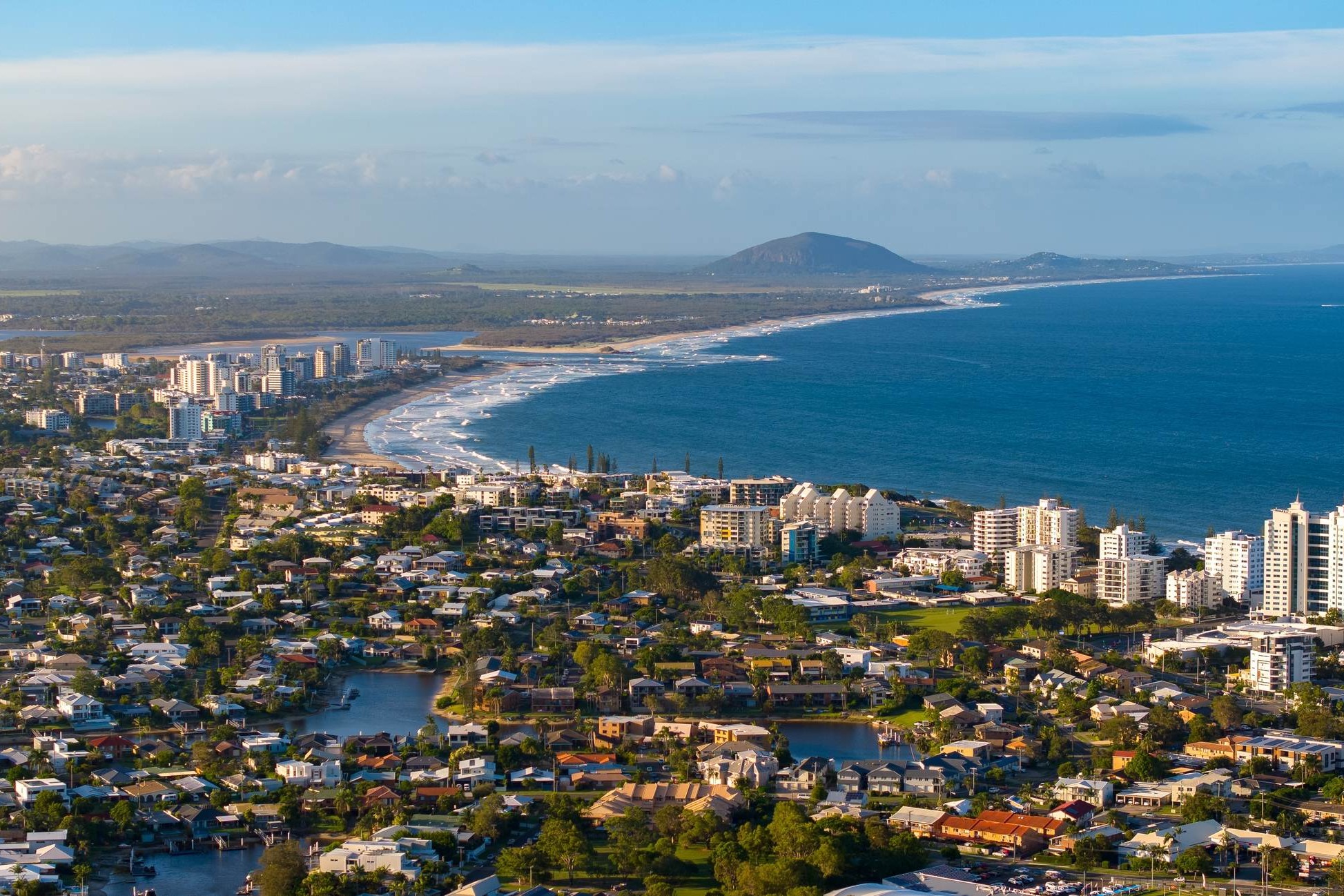
Mooloolaba And Noosa Flood-Risk Warning Pushes Coastal Planning Back Into View
New climate-risk reporting has named Mooloolaba and Noosa Heads among vulnerable coastal hotspots, renewing attention on insurance, planning and public infrastructure.
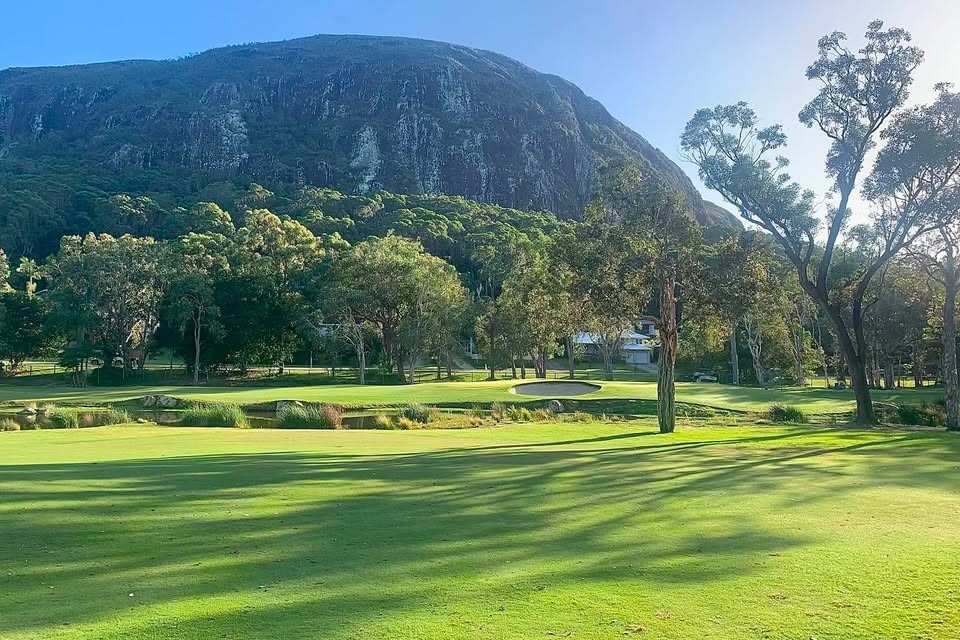
Mount Coolum Golf Club Tree Approval Turns On Wildlife Checks Before Work Starts
Sunshine Coast Council has approved limited tree removal and pruning at Mount Coolum Golf Club, with wildlife inspections and native bee protections attached.
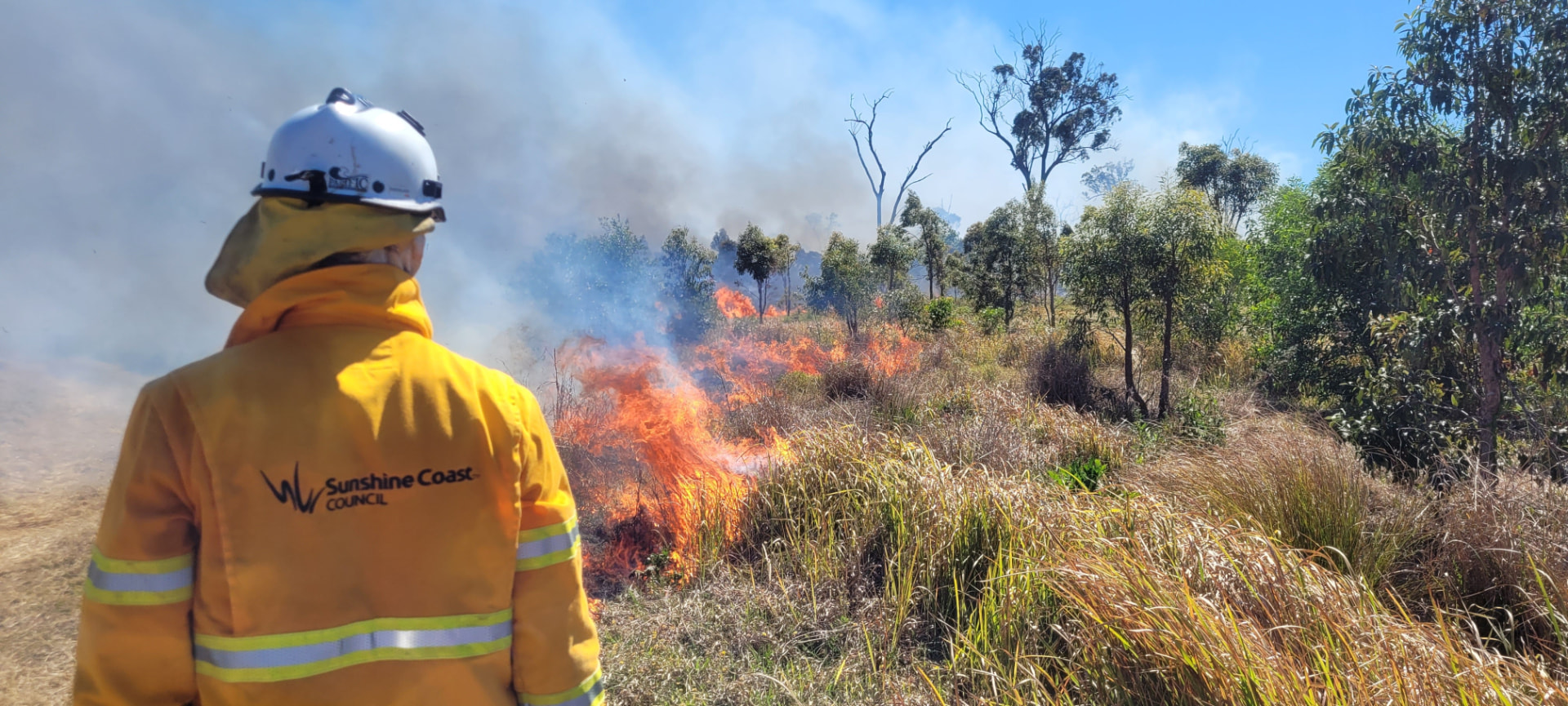
Rosanna Natoli Urges Sunshine Coast Residents To Prepare As Bushfire Season Begins
Sunshine Coast Mayor Rosanna Natoli has urged residents to prepare now as bushfire season begins, warning that a wet winter does not remove the region's fire risk. Sunshine Coast Council's official August 4 release said the season had officially arrived and called on households to create a bushfire survival plan, clear gutters, manage vegetation around homes and stay alert to changing conditions. The message is practical: preparation has to happen before smoke is visible.