Noosa Turtle Trackers And Climate Projects Share $85,000 Council Grant Round
Noosa's next round of environment and climate grants will send more than $85,000 into community-led projects ranging from turtle nest protection to river clean-ups and youth climate action.
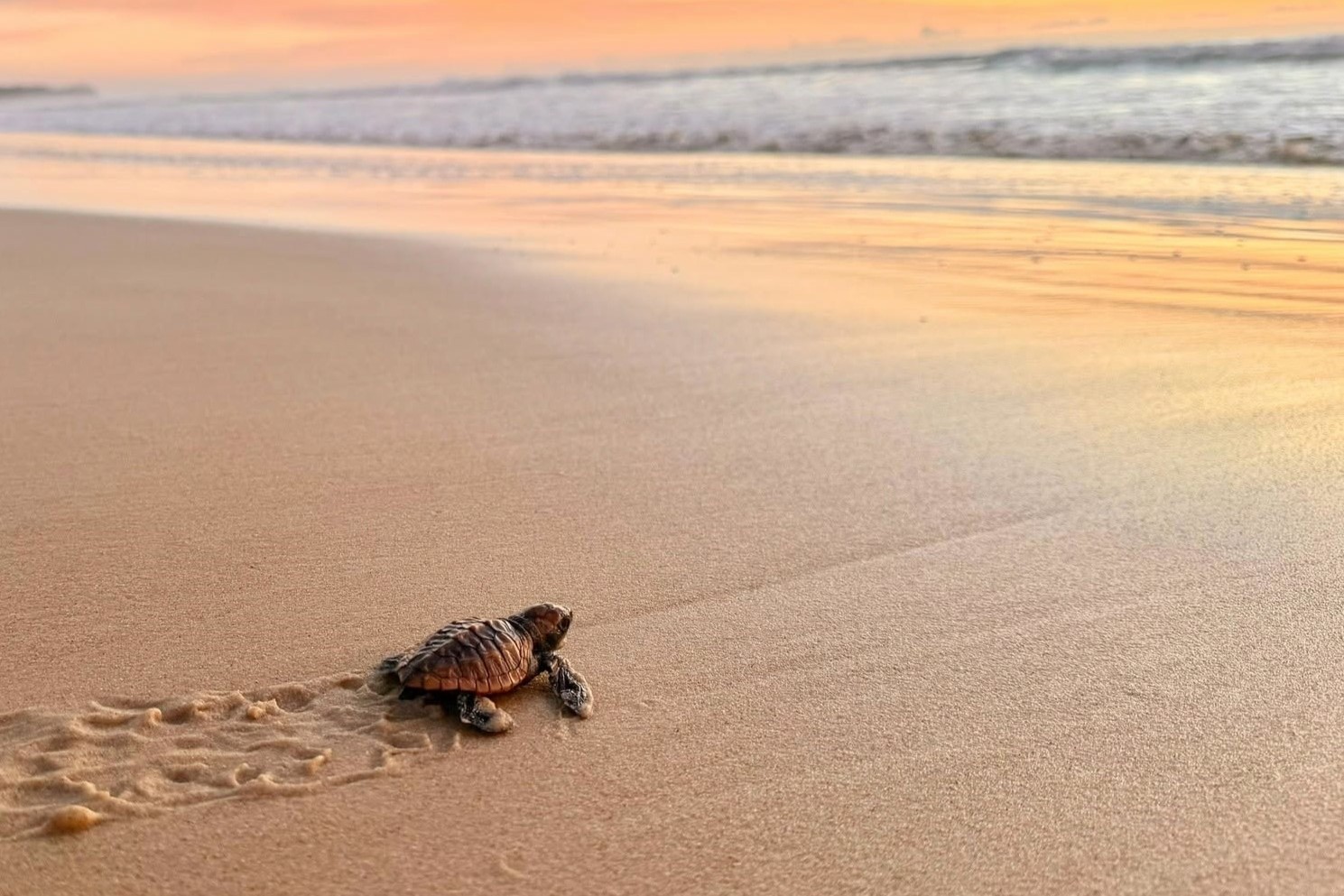
Funding will support turtle monitoring, fishing-waste clean-ups and youth-led climate action in Noosa.
Noosa's next round of environment and climate grants will send more than $85,000 into community-led projects ranging from turtle nest protection to river clean-ups and youth climate action.
Noosa Council confirmed seven organisations and projects will share funding under its 2026-27 Environment and Climate Change Response Grants. The strongest local focus is on practical conservation work: protecting endangered turtle nests along Teewah Beach, removing hazardous fishing waste from waterways, tackling invasive vines and building community knowledge around climate resilience.
Teewah Landowners Association Inc is one of the key recipients through the Teewah Turtle Trackers Monitoring and Conservation Initiative. The group's work is centred on endangered turtle nests along Teewah Beach, where volunteers monitor activity and help reduce disturbance during the nesting season. Council's release said the grant would help improve monitoring, boost dawn patrols, strengthen data collection and support accredited training and response partnerships.
The numbers show why the work is valuable. Teewah Turtle Trackers reported locating 22 nests last season, up from seven the season before. A higher nest count creates more monitoring demand, not less. More nests mean more early-morning checks, more data, more disturbance risk and more need for trained volunteers who can respond when weather, predators, vehicles or human activity threaten a site.
The grants are not only about turtles. Noosa and District Landcare will receive support for a 12-month project targeting invasive Cats Claw Creeper and Madeira Vine in the Pinbarren section of Six Mile Creek. Wildlife Noosa Ltd will receive funding to expand targeted river clean-ups that remove hazardous fishing waste, which can injure or kill native birds, pelicans and other wildlife.
Climate Change Response Grants will support Zero Emissions Noosa Inc, Noosa Integrated Catchment Association Inc and the Noosa Biosphere Reserve Trust. The trust's project includes a free, youth-led Future Tide 2027 Noosa Youth Climate Summit at The J Theatre on 27 May 2027, with plans for youth keynote talks, student-run sessions, hands-on workshops, a sustainable careers expo and First Nations knowledge sharing.
The grant round is modest compared with major infrastructure spending, but it is targeted at the kind of work that often relies on local volunteers and small organisations. That makes the funding important. Turtle monitoring, weed removal, wildlife-safe clean-ups and climate education are labour-intensive. They can be highly visible when something goes wrong, but most of the work happens quietly and repeatedly before a problem becomes a headline.
For the wider Sunshine Coast, Noosa's funding round also shows how local environmental policy is moving beyond single-issue protection. The successful projects link biodiversity, waterway health, climate adaptation, youth engagement and community capability. That mix reflects the pressures facing coastal communities where growth, tourism, storms, heat and habitat protection all meet in the same places.
The next test will be delivery through the 2026-27 financial year. If the funded groups can turn small grants into measurable fieldwork, the result should be stronger local capacity as well as cleaner beaches, safer wildlife corridors and better-prepared young climate leaders.
Because the grants are spread across several organisations, the public value will depend on coordination as much as funding. The best outcome would be clear reporting back to residents on nests monitored, waste removed, weeds treated, volunteers trained and young people engaged, so the program can show practical returns from a relatively small pool of public money.
More in Environment
Keep reading
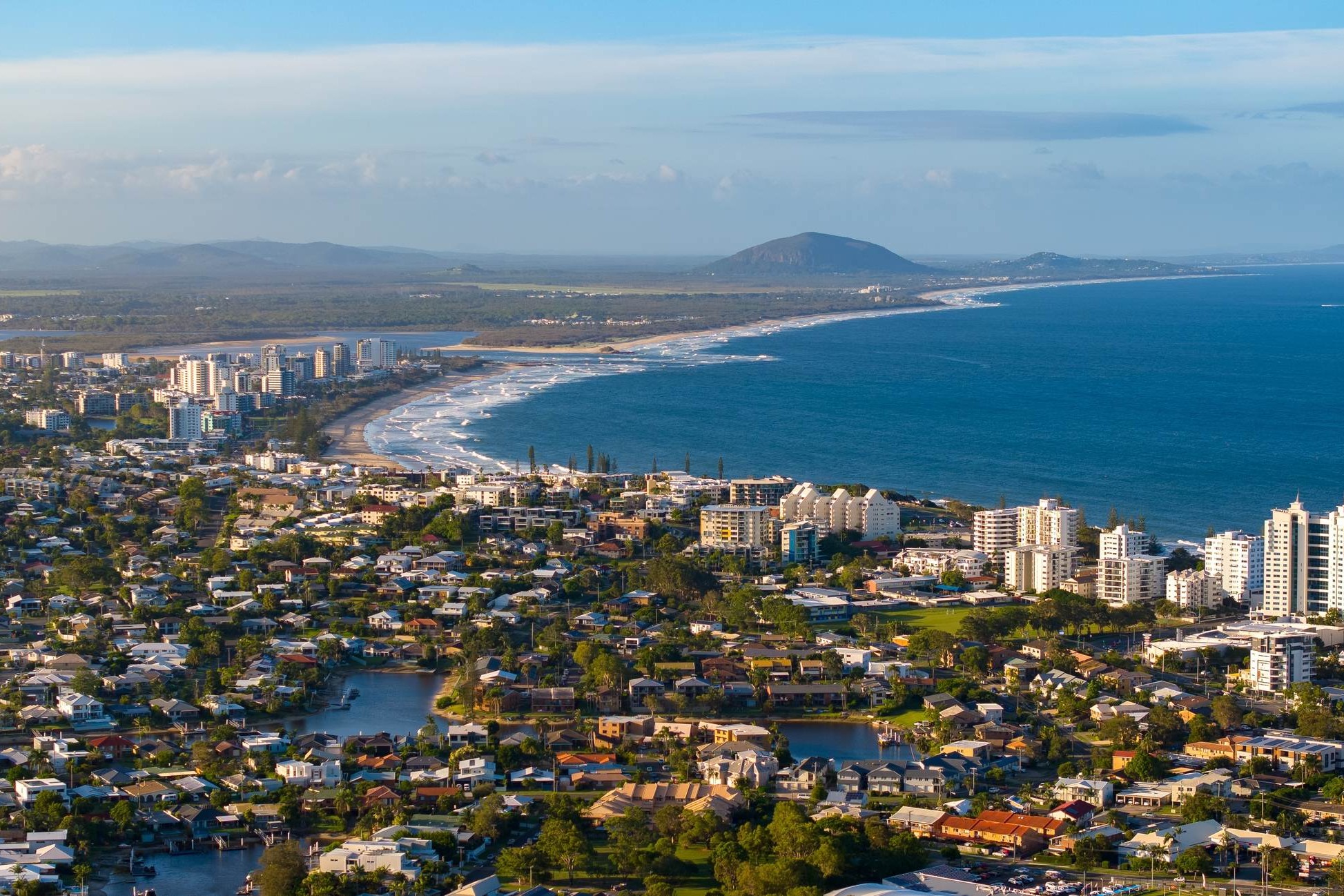
Mooloolaba And Noosa Flood-Risk Warning Pushes Coastal Planning Back Into View
New climate-risk reporting has named Mooloolaba and Noosa Heads among vulnerable coastal hotspots, renewing attention on insurance, planning and public infrastructure.
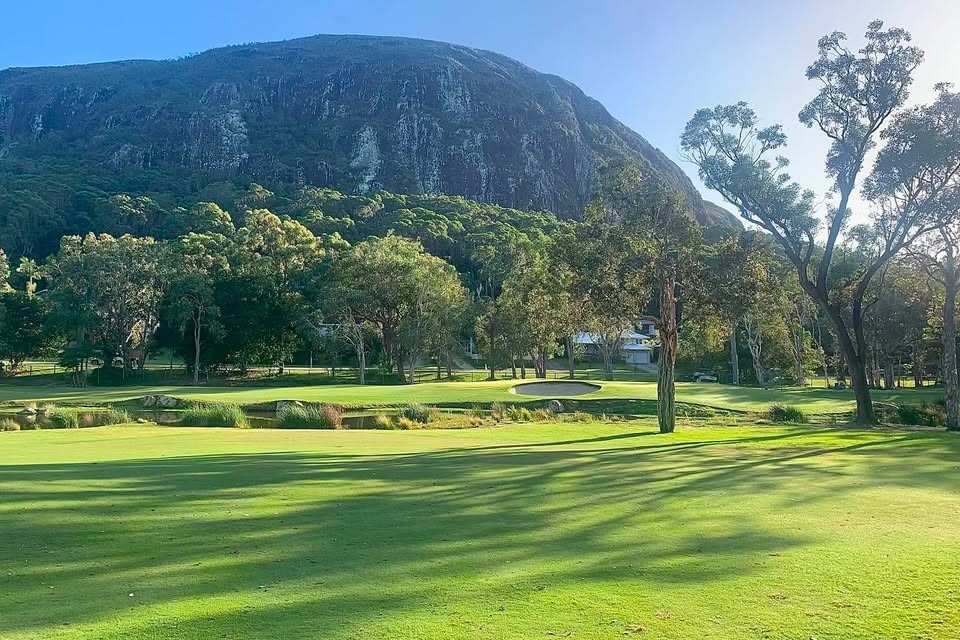
Mount Coolum Golf Club Tree Approval Turns On Wildlife Checks Before Work Starts
Sunshine Coast Council has approved limited tree removal and pruning at Mount Coolum Golf Club, with wildlife inspections and native bee protections attached.
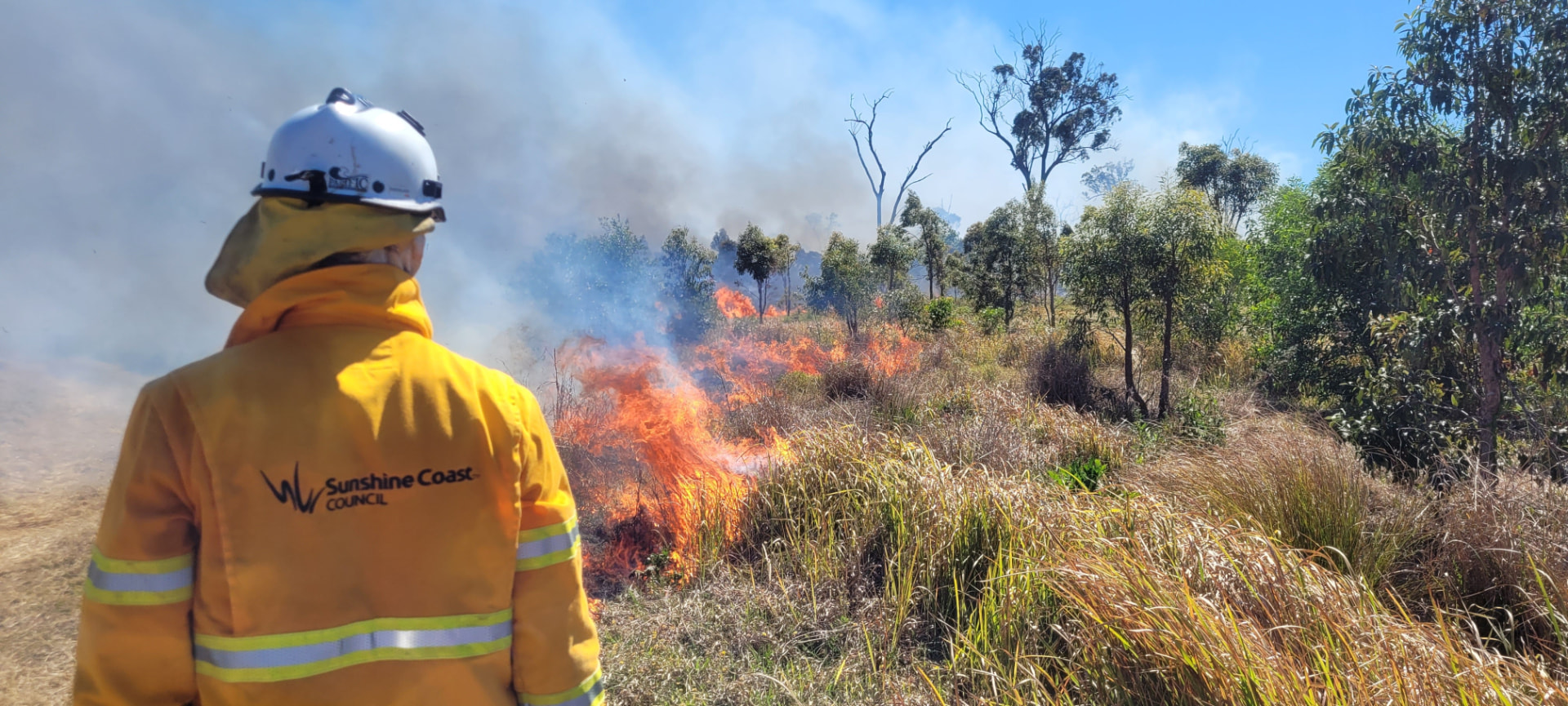
Rosanna Natoli Urges Sunshine Coast Residents To Prepare As Bushfire Season Begins
Sunshine Coast Mayor Rosanna Natoli has urged residents to prepare now as bushfire season begins, warning that a wet winter does not remove the region's fire risk. Sunshine Coast Council's official August 4 release said the season had officially arrived and called on households to create a bushfire survival plan, clear gutters, manage vegetation around homes and stay alert to changing conditions. The message is practical: preparation has to happen before smoke is visible.