Noosa Residents To Receive 360-Litre Recycling Bins After $1.4m Funding Boost
Noosa households will receive larger 360-litre recycling bins after Noosa Council secured $1.4 million in state government funding, aiming to divert almost 1000 extra tonnes from landfill each year.
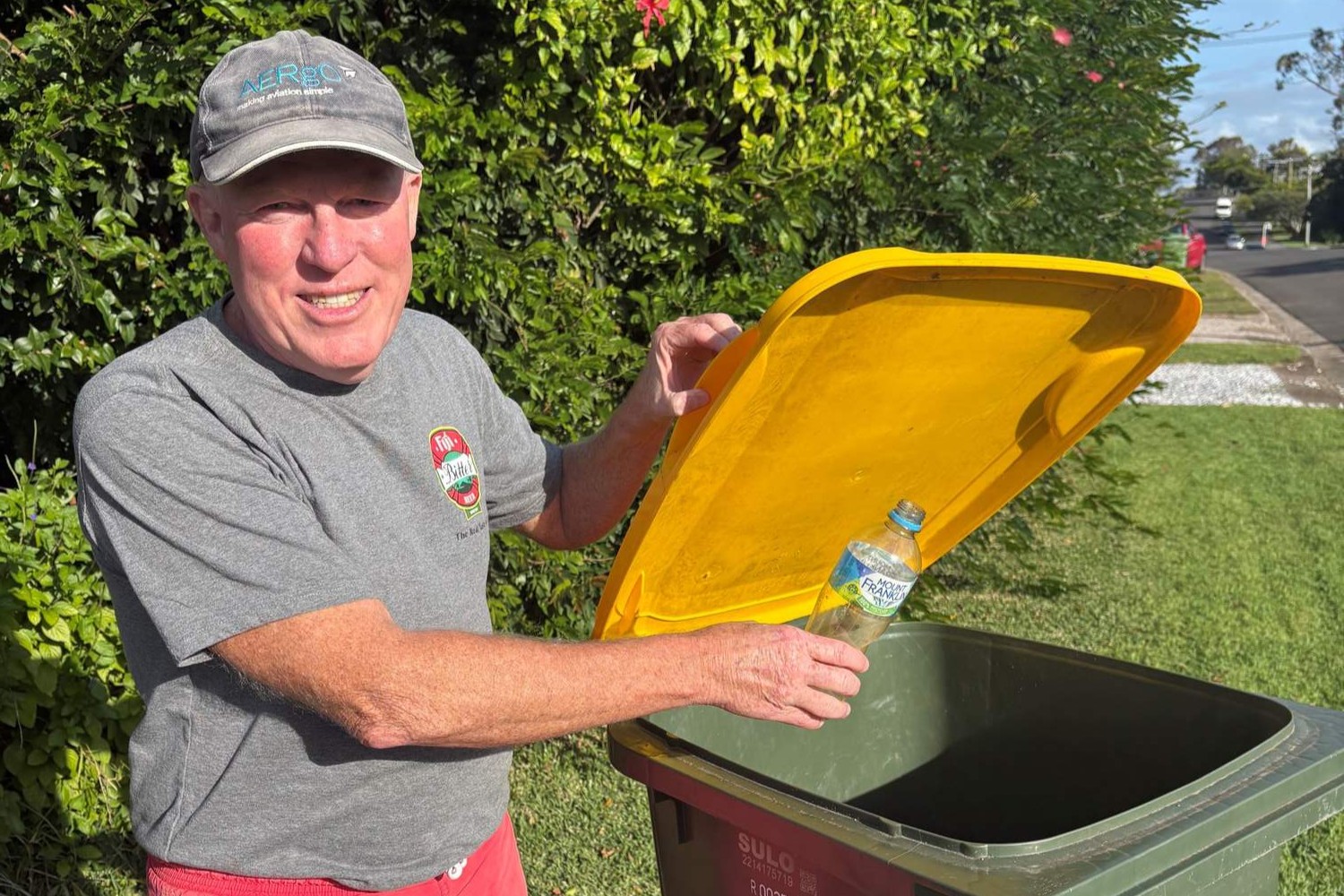
Noosa Council says 360-litre recycling bins will help households keep more recyclable material out of landfill.
Noosa households are set to receive larger 360-litre recycling bins after the council secured $1.4 million in state government funding, a change designed to keep more bottles, cans, cardboard and paper out of landfill. The announcement is a practical environment story because it deals with one of the simplest barriers to recycling: households running out of yellow-bin space before collection day.
Noosa Council data showed more than half of the 240-litre bins emptied each fortnight were full or overflowing, with extra recyclable material often ending up in general waste. Noosa Council said the 360-litre bins form part of its waste strategy, developed with the community in 2023, to increase recycling and reduce landfill. Council expects the larger bins to divert an extra 975 tonnes of recyclable material from landfill each year.
The funding comes through Queensland's Resource Recovery Boost Fund, which supports council projects designed to reduce waste and improve recycling. The state fund lists Noosa Shire Council's project to replace 240-litre household recycling bins with 360-litre bins to address high demand for recycling services. The state government also announced more than $2.18 million for Noosa toward a covered waste sorting facility at the Eumundi Noosa Road Resource Recovery Centre.
Council waste and resource recovery manager Kyrone Dodd said almost 20 per cent of general waste still contains recyclable material. That figure is important because it shows the problem is not only household behaviour or confusion. Capacity plays a role. If a family fills a recycling bin early, the next cardboard box or paper bag may go into the red bin even if the household knows it is recyclable.
The cost argument is also clear. Mr Dodd said managing a tonne of landfill waste costs more than double the cost of recycling. That means the bin change is not just environmental messaging. If it works, it should help reduce long-term costs for ratepayers by extending landfill life and moving more material into cheaper recovery streams. Mayor Frank Wilkie said the grant would help council deliver its waste strategy and support state recycling and waste diversion targets.
The next stage is planning, procurement and communication. Council expects the rollout to begin within the next 12 months and says residents will receive more information about options as planning progresses. That communication will matter because bigger bins can improve capacity, but only if households know what belongs in them and if collection systems can handle the extra volume.
The second funded project at Eumundi also gives the bin rollout a system-level partner. Larger household bins can capture more material at the kerb, while a covered sorting facility can improve what happens to waste from construction, business and skip-bin streams. Together, the projects show that waste reduction needs both household participation and council infrastructure.
More in Environment
Keep reading
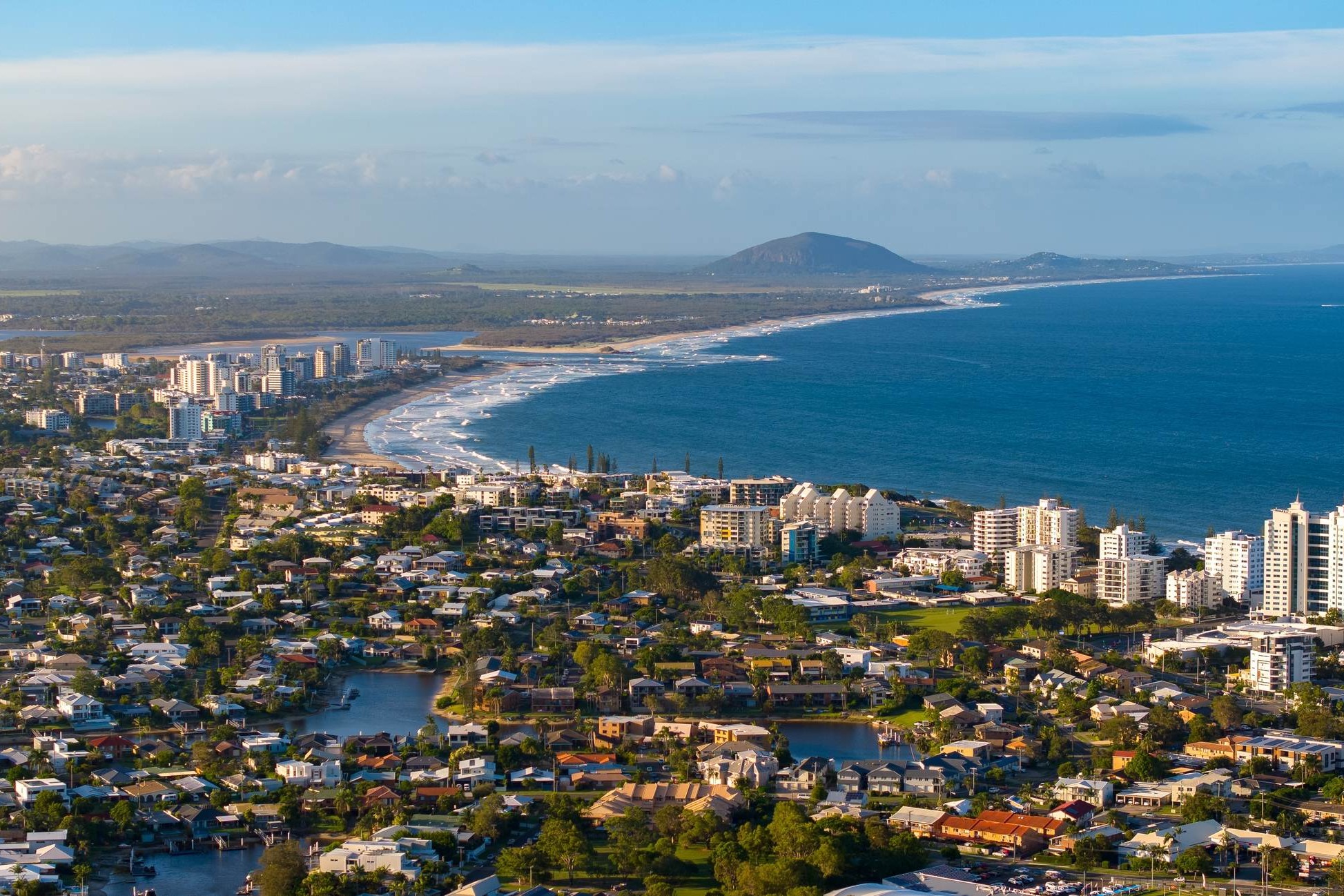
Mooloolaba And Noosa Flood-Risk Warning Pushes Coastal Planning Back Into View
New climate-risk reporting has named Mooloolaba and Noosa Heads among vulnerable coastal hotspots, renewing attention on insurance, planning and public infrastructure.
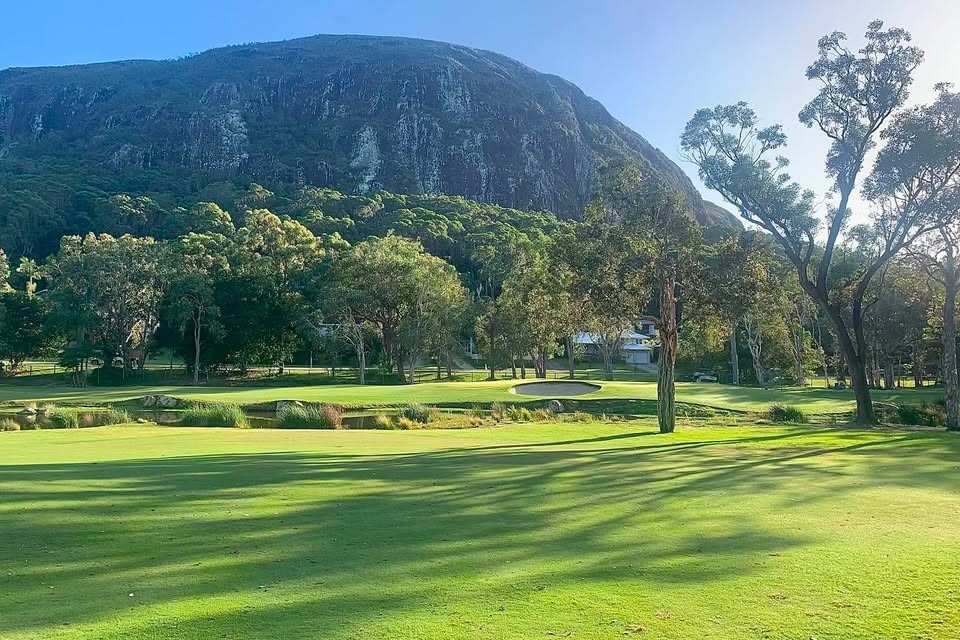
Mount Coolum Golf Club Tree Approval Turns On Wildlife Checks Before Work Starts
Sunshine Coast Council has approved limited tree removal and pruning at Mount Coolum Golf Club, with wildlife inspections and native bee protections attached.
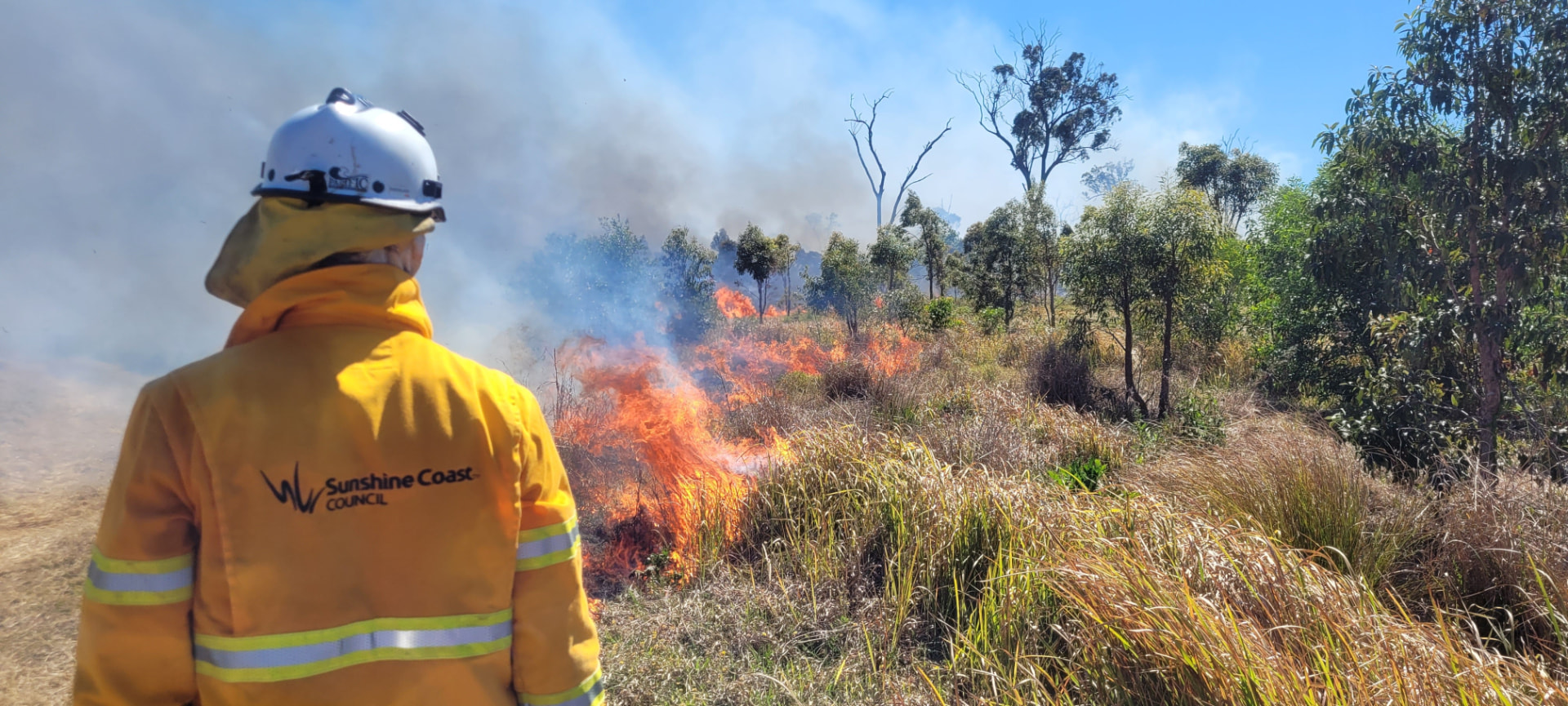
Rosanna Natoli Urges Sunshine Coast Residents To Prepare As Bushfire Season Begins
Sunshine Coast Mayor Rosanna Natoli has urged residents to prepare now as bushfire season begins, warning that a wet winter does not remove the region's fire risk. Sunshine Coast Council's official August 4 release said the season had officially arrived and called on households to create a bushfire survival plan, clear gutters, manage vegetation around homes and stay alert to changing conditions. The message is practical: preparation has to happen before smoke is visible.