Jai Roots-Linked Maroochydore Hostel Approval Puts 90 Traveller Beds On Ocean Street
Sunshine Coast Council has approved a 90-bed backpacker hostel at 6 Ocean Street, adding short-term traveller accommodation inside an existing Maroochydore commercial building.
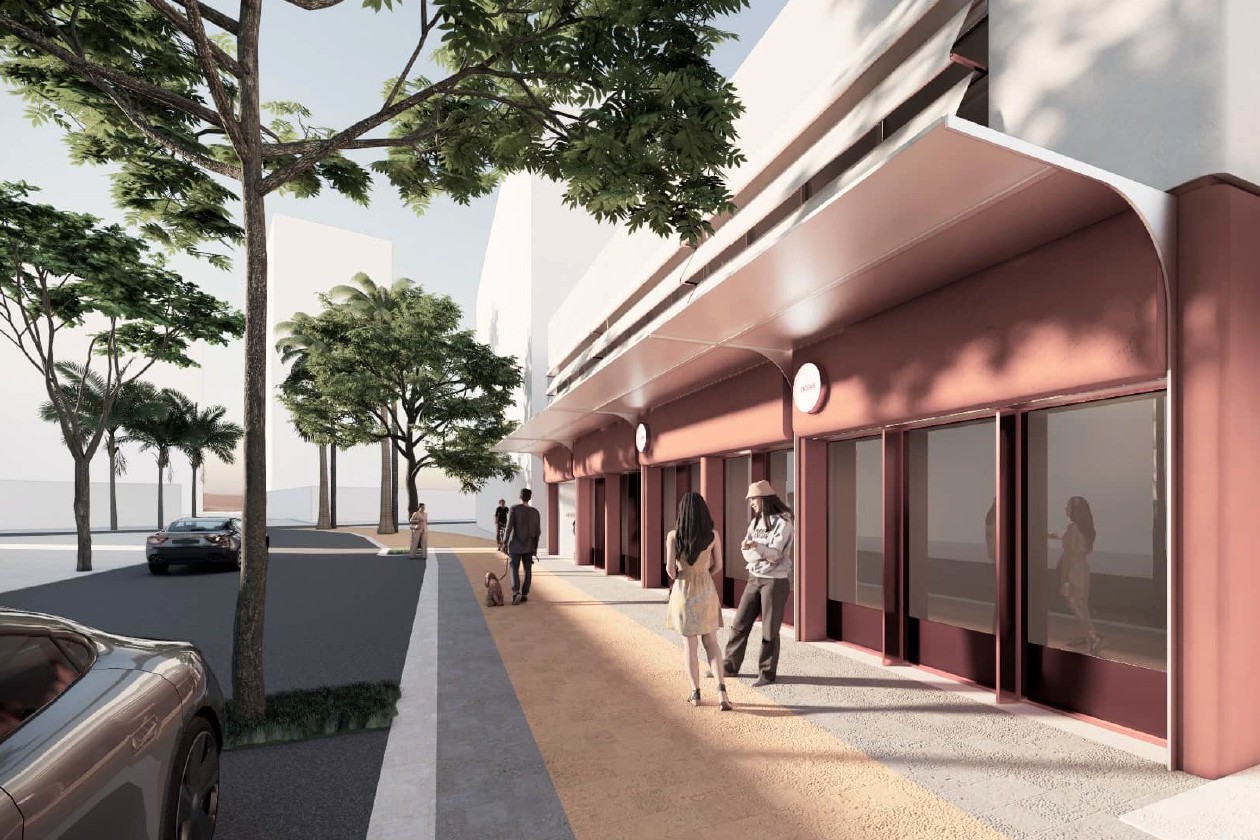
An artist's impression of the approved Ocean Street hostel building in Maroochydore.
Sunshine Coast Council has approved a 90-bed backpacker hostel for 6 Ocean Street, giving central Maroochydore a new short-term accommodation use inside an existing commercial building.
The development will repurpose the two-storey premises rather than add a new building footprint. The application was lodged by Adams and Sparkes Town Planning on behalf of Mara Maroochydore Pty Ltd. ASIC records list Jai Roots, a co-founder of nearby Pulse Bar, as the company's director, while the land is owned by QACPF Big Top Pty Ltd.
The approval is a tourism story, but it is also a planning and nightlife story. Ocean Street already functions as one of Maroochydore's better-known dining and entertainment precincts. Adding traveller accommodation above active commercial tenancies could strengthen that role if it is managed well. Guests staying in the street are more likely to spend at nearby venues, walk rather than drive for meals, and use Maroochydore as a base for the wider Coast.
The approved plans include communal living and kitchen facilities, a gym, sauna, wellness pool, laundry, private rooms, accessible accommodation and shared dormitories. Council's conditions limit stays to tourists or travellers for no more than three consecutive months, which is important in a region where housing stress can blur the line between short-term beds and long-term accommodation pressure.
Parking is the practical constraint. The site cannot accommodate the number of guest spaces ordinarily required, so council has conditioned the approval on the continued availability of nine guest parking spaces in the adjoining Big Top Shopping Centre. If that agreement is revoked, the hostel use must cease. The development must also provide two staff spaces, bicycle parking and a 24-hour courtesy shuttle to destinations including Sunshine Coast Airport, public transport stations and tourist attractions.
Those conditions show council is trying to make an urban accommodation model work without letting traffic and amenity problems spill into neighbouring streets. The shuttle requirement is particularly relevant. Backpacker-style accommodation succeeds when guests can move easily, and Maroochydore's public transport and airport connections are part of whether the hostel becomes an asset or an inconvenience.
The approval also includes facade improvements, a new street awning, transparent shopfront glazing, security measures and acoustic treatments. Live or amplified entertainment is prohibited. That detail matters because Ocean Street's energy is part of its appeal, but a hostel also brings people sleeping above or beside late-night trading.
For Maroochydore, the decision points to a denser visitor economy. The city centre is changing through major commercial, residential and hotel investment. A backpacker hostel adds a different price point and traveller type to that mix. It will not solve accommodation demand by itself, but it gives budget travellers another way to stay close to the Coast's emerging CBD. The next phase is delivery: fit-out, operating standards, parking compliance and whether the final venue helps Ocean Street without overloading it.
It will also be watched by nearby businesses that rely on foot traffic outside standard office hours. A well-run hostel can bring customers to cafes, bars, convenience stores, tour operators and late-night food outlets. A poorly managed one can create noise, parking and security complaints. That is why the operating conditions attached to the approval are not minor details. They are the safeguards that will determine whether the project is accepted as part of Ocean Street's evolution.
More in Tourism
Keep reading
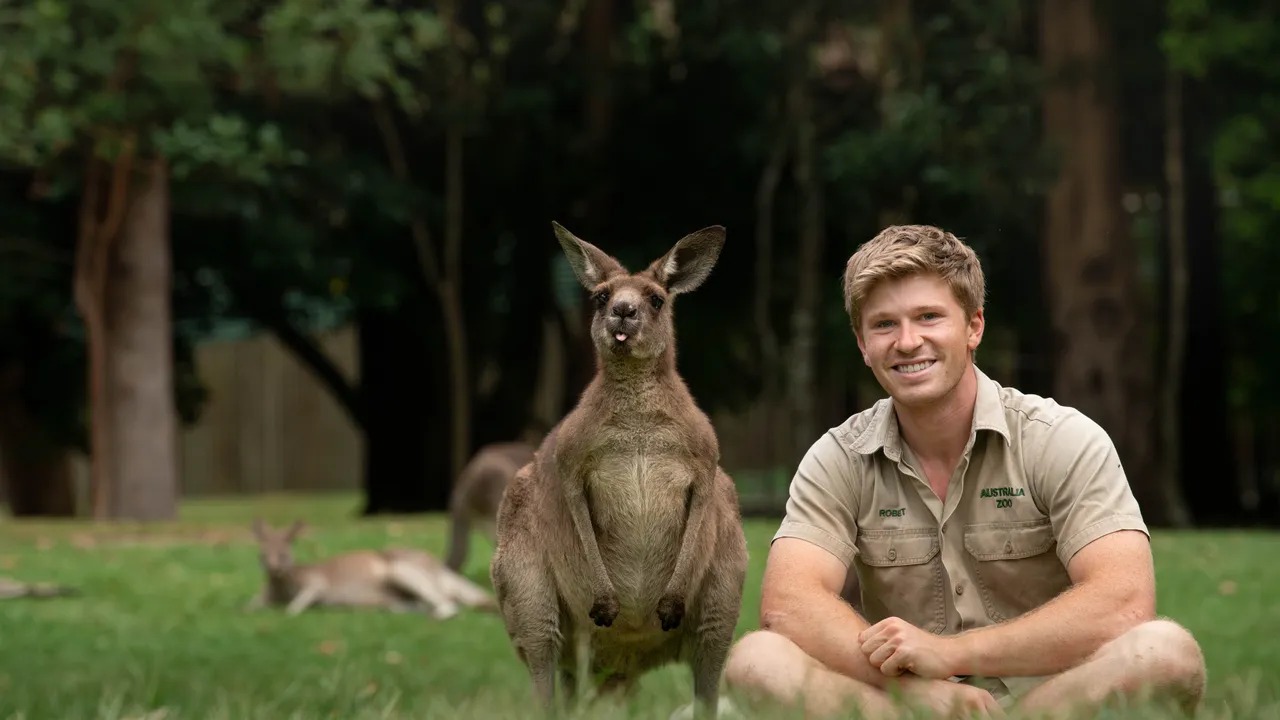
Robert Irwin Puts Sunshine Coast Home And Australia Zoo On Global Travel Stage
Robert Irwin has put the Sunshine Coast and Australia Zoo in front of an international travel audience, describing the region as the home base that still shapes his work and tourism message.
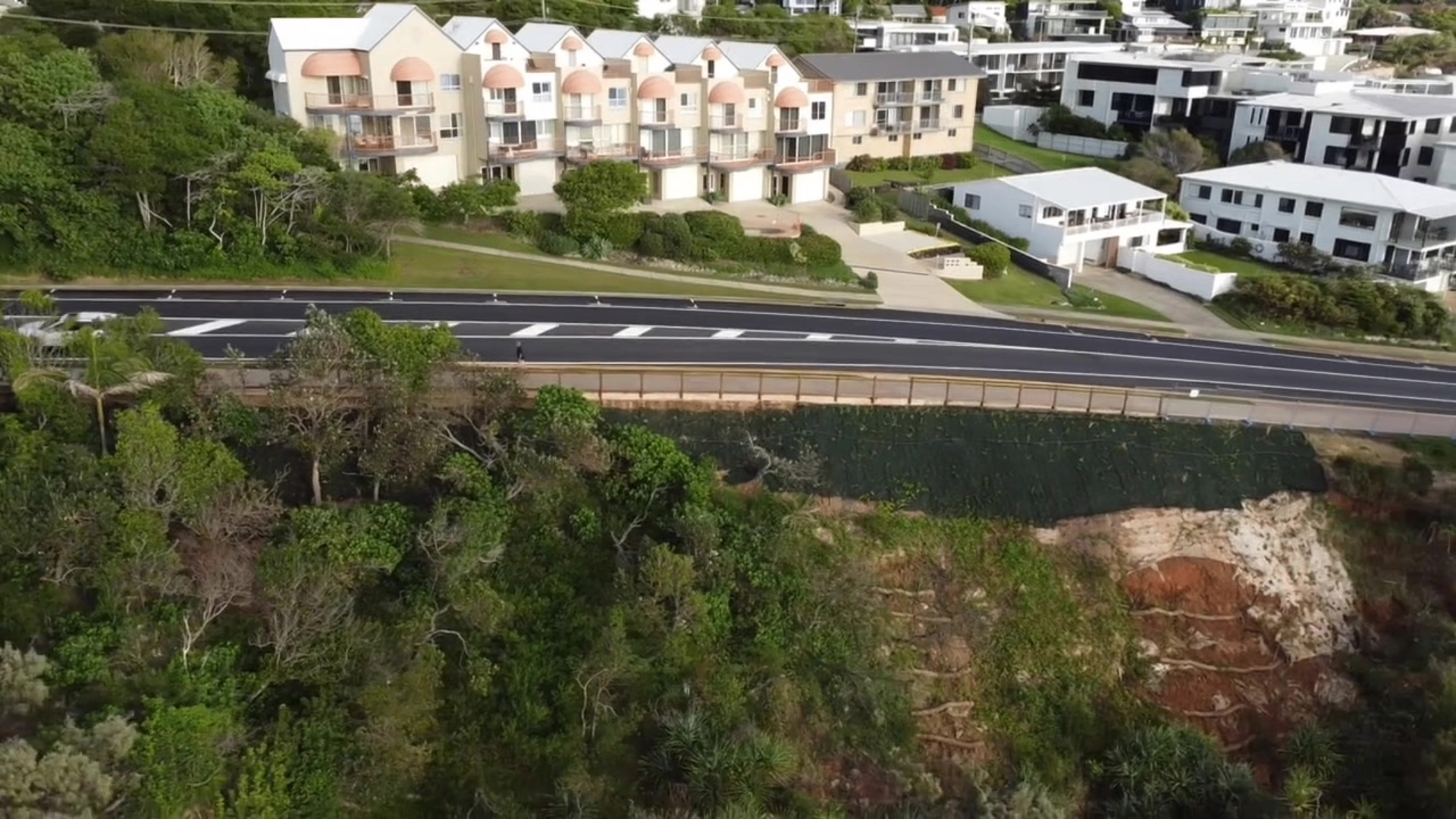
First Bay At Coolum Reopens After Major Landslip Repairs Along David Low Way
First Bay at Coolum Beach has reopened after major landslip repair works, restoring public access and strengthening the cliff face above David Low Way.
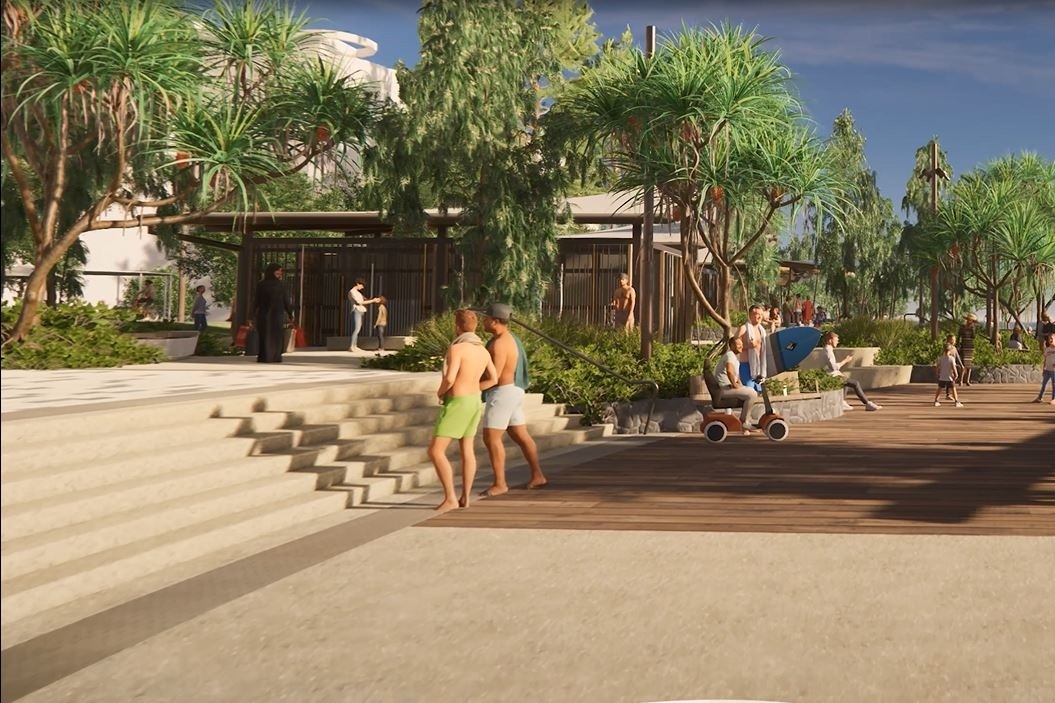
Mooloolaba Foreshore Amenities Work Starts After Loo With A View Demolition
Construction has started on the new public amenities block at Mooloolaba, marking a visible step in the foreshore revitalisation work that replaced the old Loo with a View.