The Environmental Questions Behind Coastal Growth
Coastal growth is also an environmental story. Here are the questions our Environment desk will be returning to throughout the year.
Photo for editorial illustration.
It is impossible to talk seriously about Sunshine Coast growth without also talking about the environment that makes the region what it is. The two stories are the same story, told from different angles.
Our Environment coverage will focus on the practical questions: how waterways are being managed as new suburbs come online, how coastal erosion is being addressed in the most exposed pockets, and how green space is being treated in planning decisions across the region.
We are also interested in the longer arc: biodiversity in the hinterland, the health of local catchments, and the slow work of restoration projects led by community groups. These stories rarely move fast, but they shape the place more than almost anything else.
Expect plain-language explainers when major reports land, profiles of the people doing the on-ground work, and honest assessments of progress and setbacks. We are not in the business of cheerleading or doom-mongering. We are in the business of describing what is actually happening.
If you are working on an environmental project worth covering, the TSCB Desk would like to hear from you.
More in Environment
Keep reading
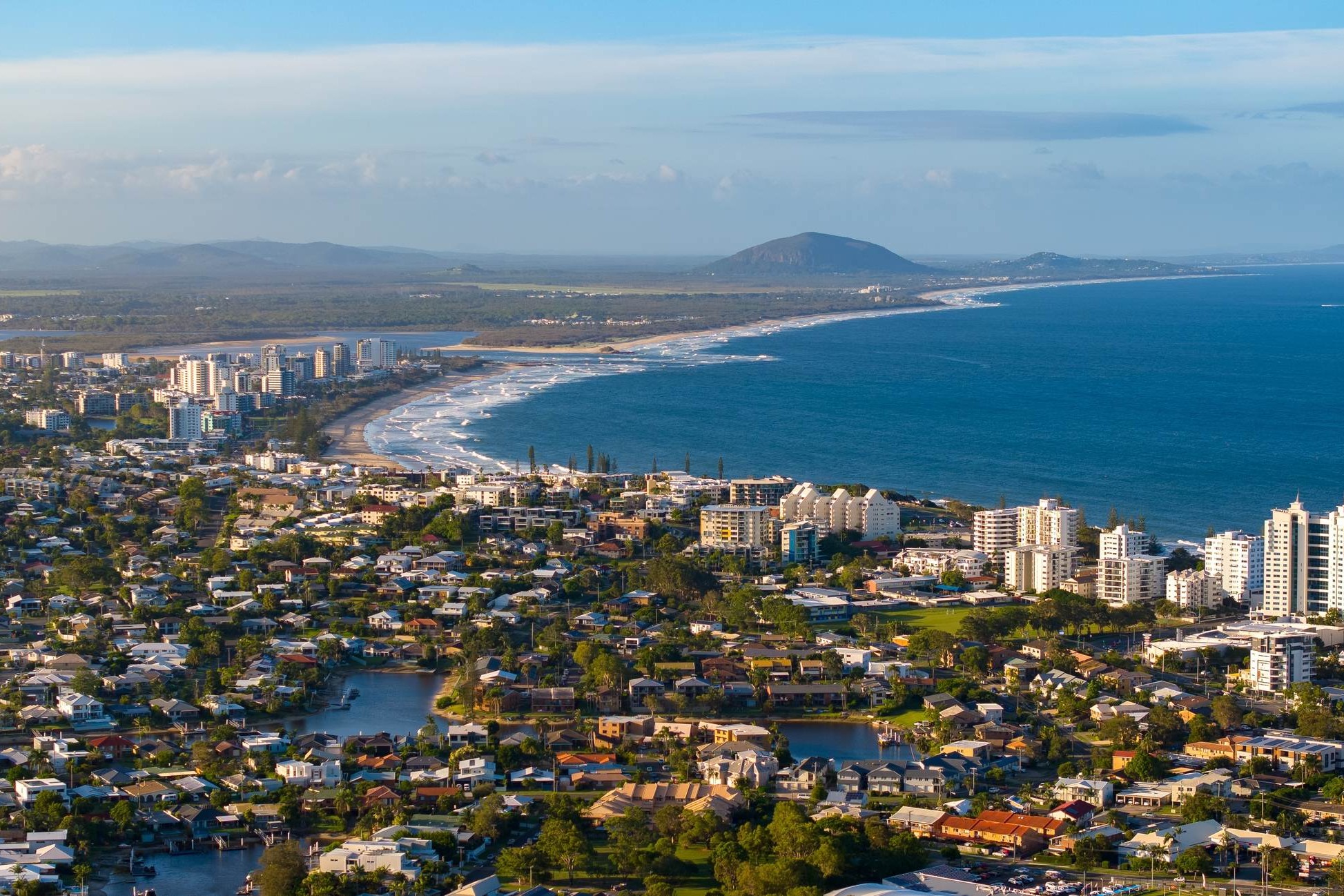
Mooloolaba And Noosa Flood-Risk Warning Pushes Coastal Planning Back Into View
New climate-risk reporting has named Mooloolaba and Noosa Heads among vulnerable coastal hotspots, renewing attention on insurance, planning and public infrastructure.
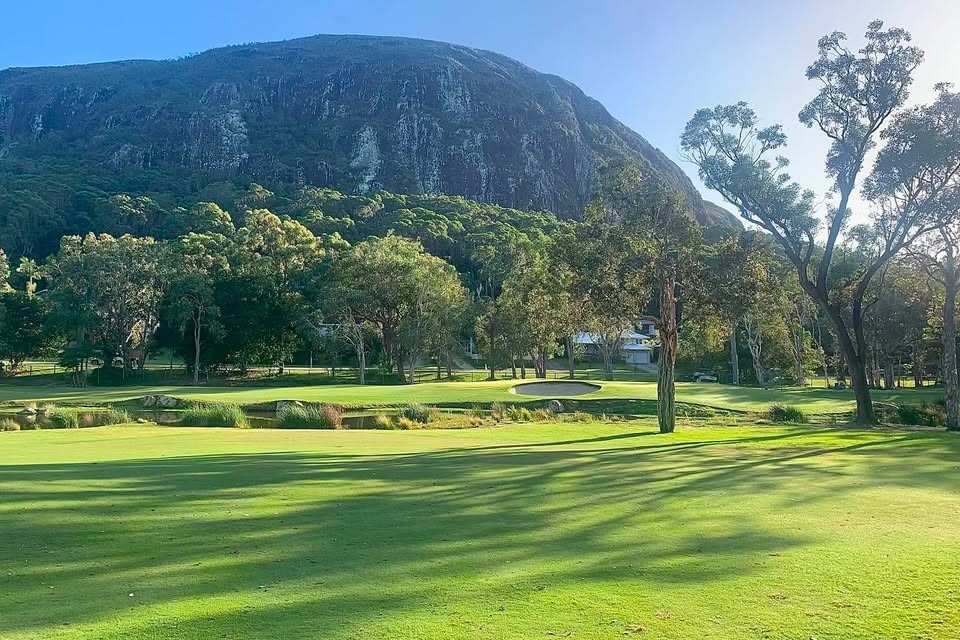
Mount Coolum Golf Club Tree Approval Turns On Wildlife Checks Before Work Starts
Sunshine Coast Council has approved limited tree removal and pruning at Mount Coolum Golf Club, with wildlife inspections and native bee protections attached.
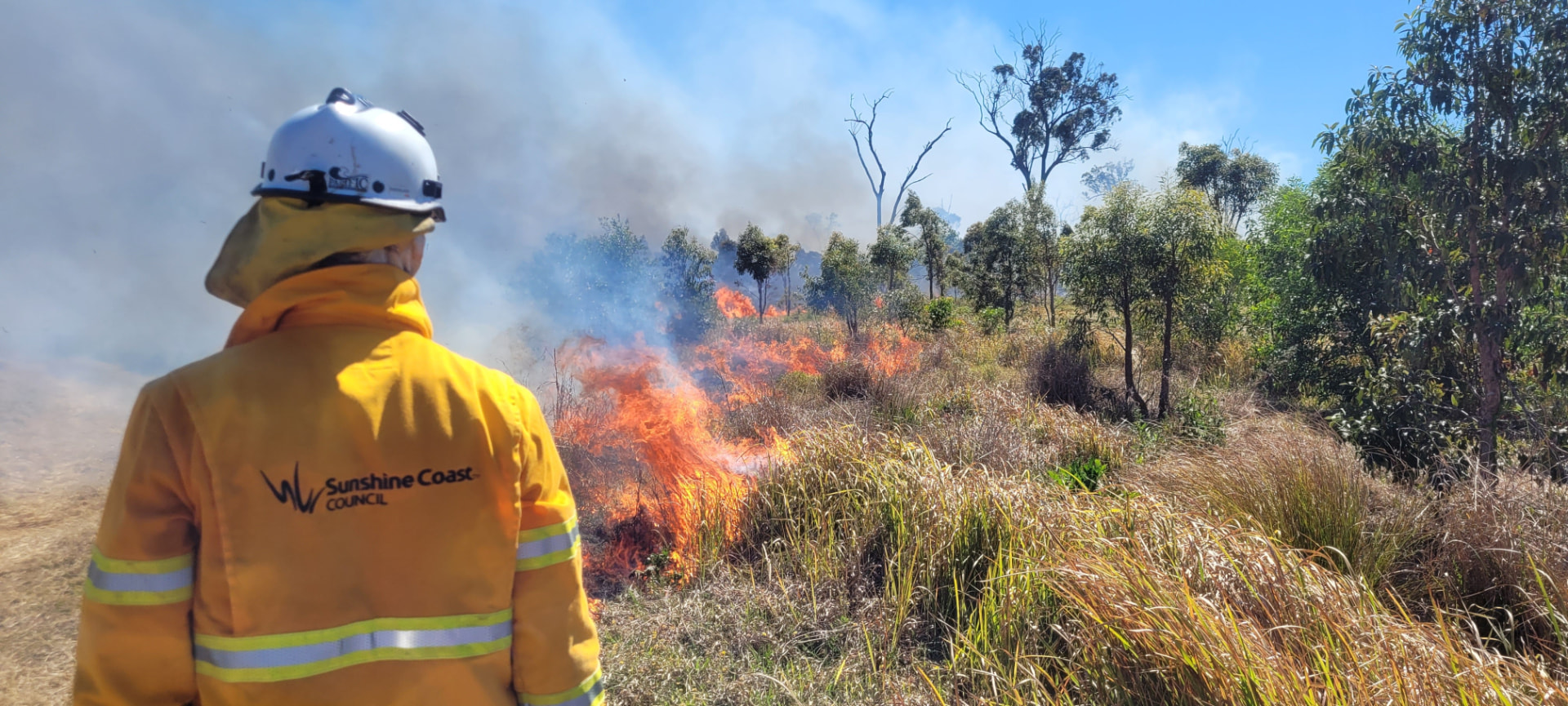
Rosanna Natoli Urges Sunshine Coast Residents To Prepare As Bushfire Season Begins
Sunshine Coast Mayor Rosanna Natoli has urged residents to prepare now as bushfire season begins, warning that a wet winter does not remove the region's fire risk. Sunshine Coast Council's official August 4 release said the season had officially arrived and called on households to create a bushfire survival plan, clear gutters, manage vegetation around homes and stay alert to changing conditions. The message is practical: preparation has to happen before smoke is visible.