Coolum Beach Rare Deep-Sea Shark Find Becomes Queensland First For UniSC Researchers
A rare deep-sea shark found near Stumers Creek at Coolum is being treated as a significant scientific record and is believed to be the first known Queensland sighting of the species.
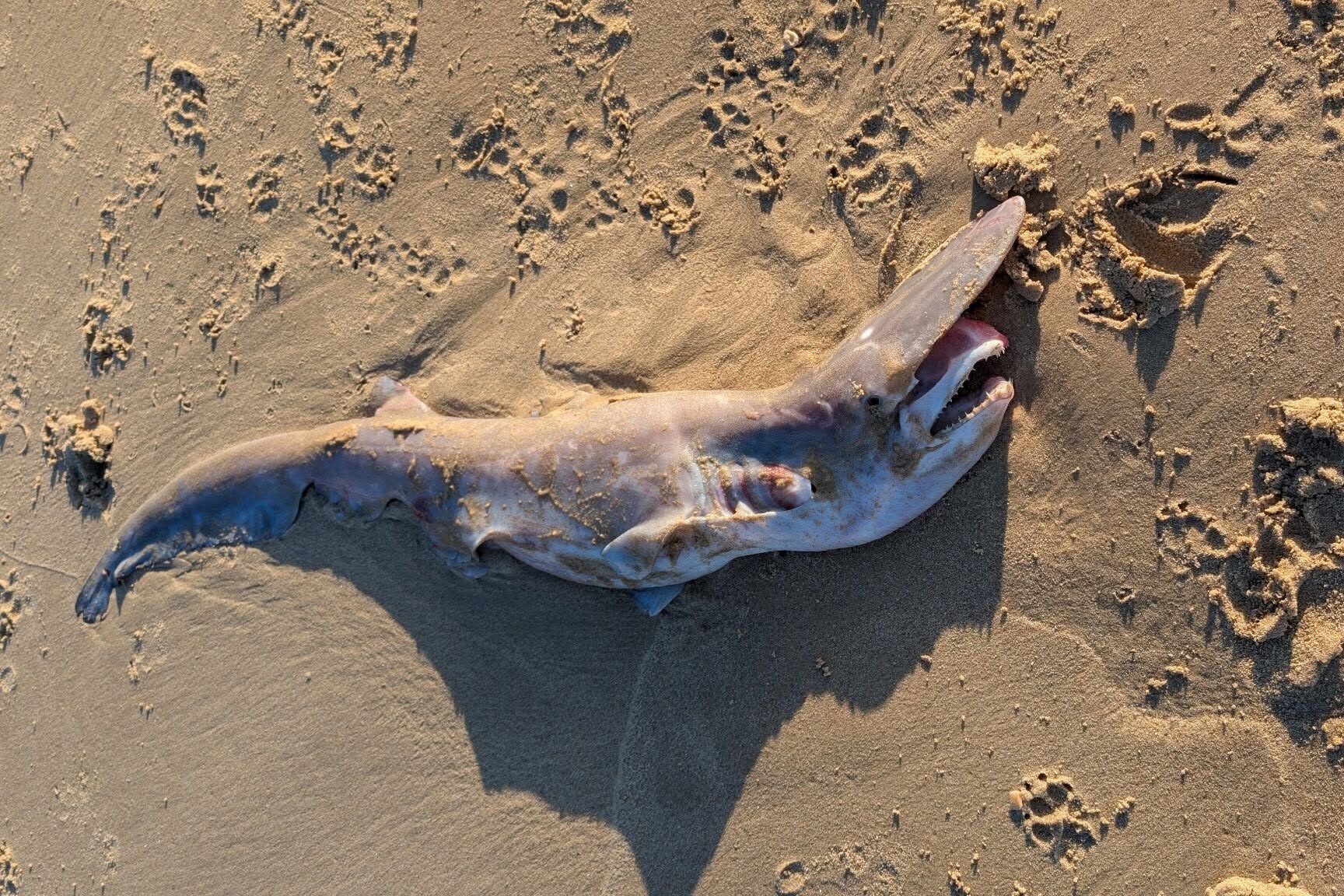
The rare deep-sea shark found near Stumers Creek at Coolum. Picture: Philip Dunbavan.
A rare deep-sea shark found near Stumers Creek at Coolum is being treated as a significant scientific record after Queensland Museum and University of the Sunshine Coast researchers were alerted to the discovery. Sunshine Coast News reported on 3 July that the deceased animal washed up just north of the creek mouth on Thursday and is believed to be the first known record of the species in Queensland waters.
Queensland Museum ichthyologist Dr Jeff Johnson confirmed from photographs that the shark was the rare deep-sea species, which is usually associated with depths of about 1000 metres. UniSC researcher Dr Asia Haines told Sunshine Coast News that her colleague, animal ecology senior lecturer Dr Bonnie Holmes, had confirmed it was likely the first record in Queensland. The finding is notable because Australian records have previously been associated with waters off New South Wales, Tasmania and possibly South Australia, making a Sunshine Coast beach discovery well outside the known local pattern.
The story began with residents rather than a formal research survey. Coolum resident Philip Dunbavan photographed the animal after another beach walker spotted it on the sand. He later posted the sighting to iNaturalist, where community identification helped draw attention to what had been found. Federal resident David Nash then took the specimen home for preservation after seeing it while walking dogs with his sons, before contacting the university to see whether researchers could use it. That chain of events shows how citizen observation can become scientific evidence when photographs, location details and specimen handling are preserved.
The animal is scientifically interesting for several reasons. Rare deep-sea species are seldom seen by coastal residents because their normal habitat is far offshore and far below the surface. When one appears on a beach, researchers have to ask whether the event reflects a single animal that died and drifted, an unusual current or weather pattern, a change in offshore conditions, or simply a record that had not previously been captured. Sunshine Coast News also noted that live footage of the species in its natural deep-sea habitat made international headlines this year through a Journal of Fish Biology study, underlining how limited direct observation remains.
For beach users, the immediate public-health message is limited: the shark was deceased and the report does not suggest a wider safety issue. The stronger local message is about reporting unusual wildlife. The Sunshine Coast's beaches, estuaries and offshore waters sit beside diverse ecosystems, and unusual finds can carry research value even when they look like a curiosity at first glance. Photographs, precise locations and rapid contact with appropriate scientific bodies can make the difference between an anecdote and a usable record.
The specimen is expected to help researchers confirm identification and potentially learn more about range, age, condition and why the animal may have reached the beach. It is a small event in daily beach life but a meaningful addition to Queensland's marine record. For Coolum, it is also a reminder that the Coast's environment is connected to deeper ocean systems that most residents never see, and that a morning walk can occasionally reveal a piece of science from far beyond the surf zone.
More in Environment
Keep reading

Mooloolaba And Noosa Flood-Risk Warning Pushes Coastal Planning Back Into View
New climate-risk reporting has named Mooloolaba and Noosa Heads among vulnerable coastal hotspots, renewing attention on insurance, planning and public infrastructure.
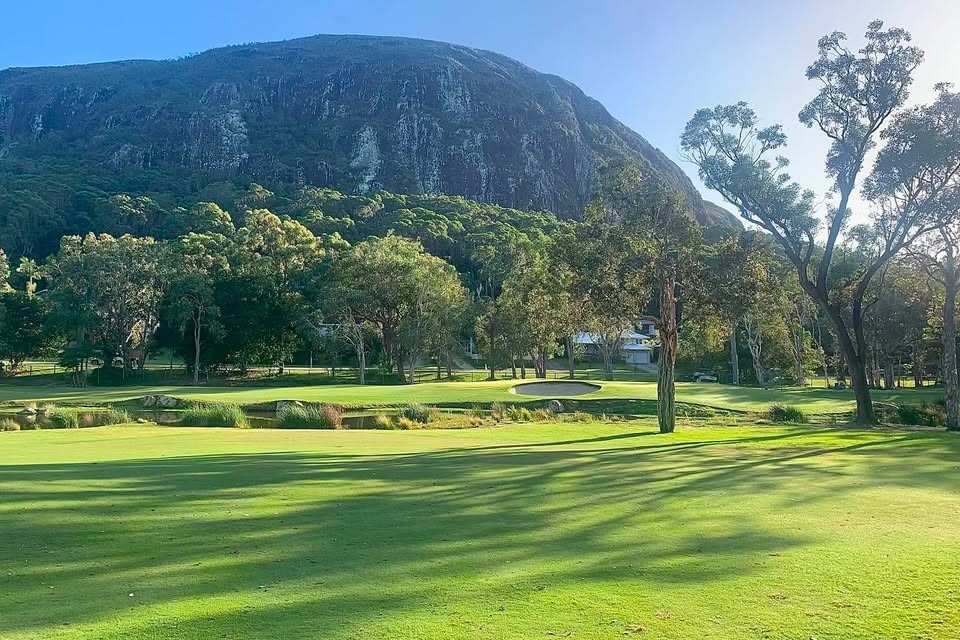
Mount Coolum Golf Club Tree Approval Turns On Wildlife Checks Before Work Starts
Sunshine Coast Council has approved limited tree removal and pruning at Mount Coolum Golf Club, with wildlife inspections and native bee protections attached.
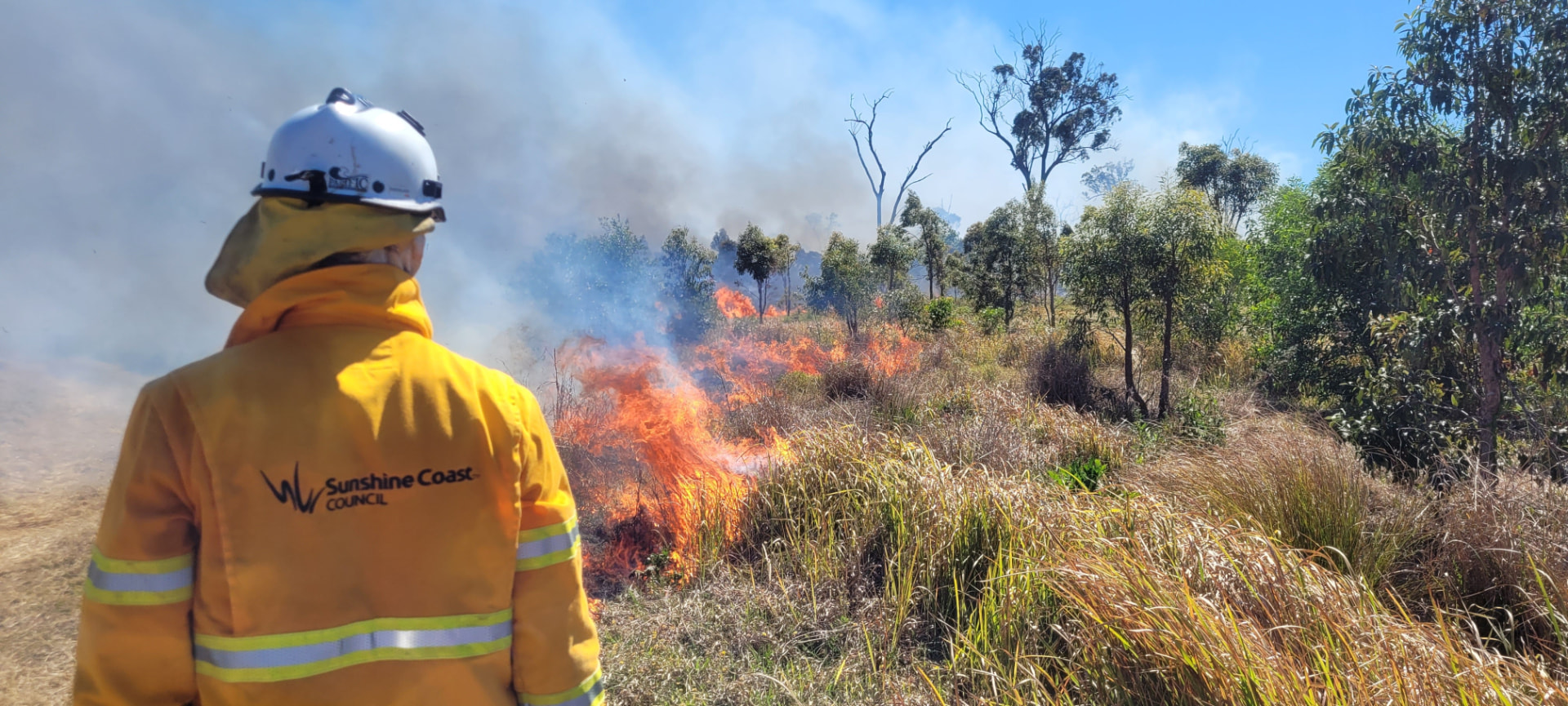
Rosanna Natoli Urges Sunshine Coast Residents To Prepare As Bushfire Season Begins
Sunshine Coast Mayor Rosanna Natoli has urged residents to prepare now as bushfire season begins, warning that a wet winter does not remove the region's fire risk. Sunshine Coast Council's official August 4 release said the season had officially arrived and called on households to create a bushfire survival plan, clear gutters, manage vegetation around homes and stay alert to changing conditions. The message is practical: preparation has to happen before smoke is visible.