Why Climate Resilience Is Now a Mainstream Local Issue
Climate resilience is no longer a fringe topic. It now shapes insurance, planning, infrastructure and the way households think about the future.

Photo for editorial illustration.
Climate resilience used to live at the edge of local conversation. It now sits in the middle of it, alongside housing and transport, and our coverage will treat it that way.
We are interested in the practical end of resilience: how households are thinking about storm preparedness, how businesses are adapting to changing seasons, and how local infrastructure is being designed for conditions that look different from those of twenty years ago.
We will also report on the slower, structural questions. Insurance availability and pricing, the way critical infrastructure is sited and protected, and the role of local government in coordinating responses are all part of this beat.
This is a topic where it is easy to slide into either denial or despair. Our preference is steady, useful reporting that helps readers make informed decisions about their homes, their businesses and the community projects they support.
If you are working on resilience in a serious way, whether as a household, a business or a community group, the TSCB Desk would like to hear from you.
More in Environment
Keep reading
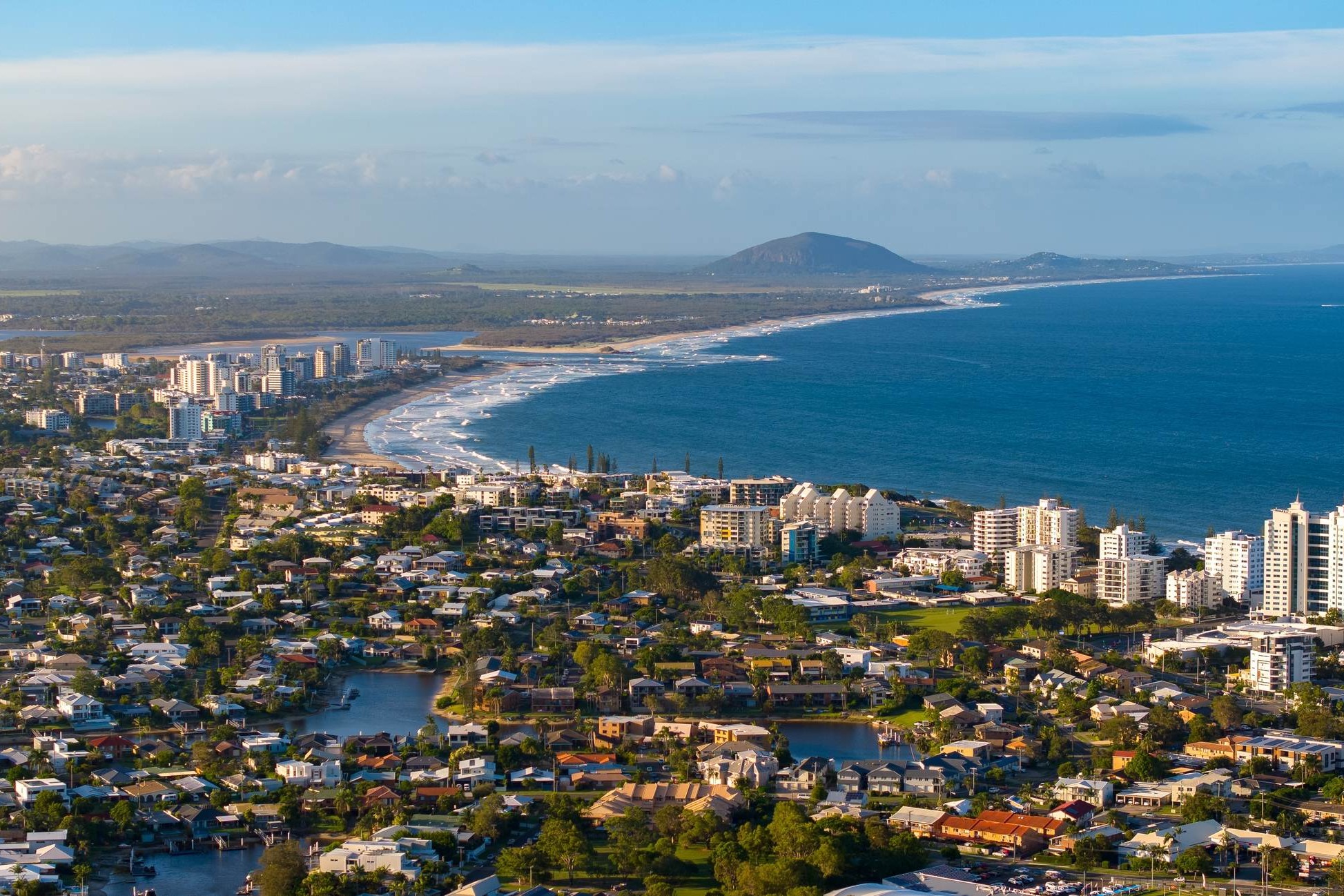
Mooloolaba And Noosa Flood-Risk Warning Pushes Coastal Planning Back Into View
New climate-risk reporting has named Mooloolaba and Noosa Heads among vulnerable coastal hotspots, renewing attention on insurance, planning and public infrastructure.

Mount Coolum Golf Club Tree Approval Turns On Wildlife Checks Before Work Starts
Sunshine Coast Council has approved limited tree removal and pruning at Mount Coolum Golf Club, with wildlife inspections and native bee protections attached.
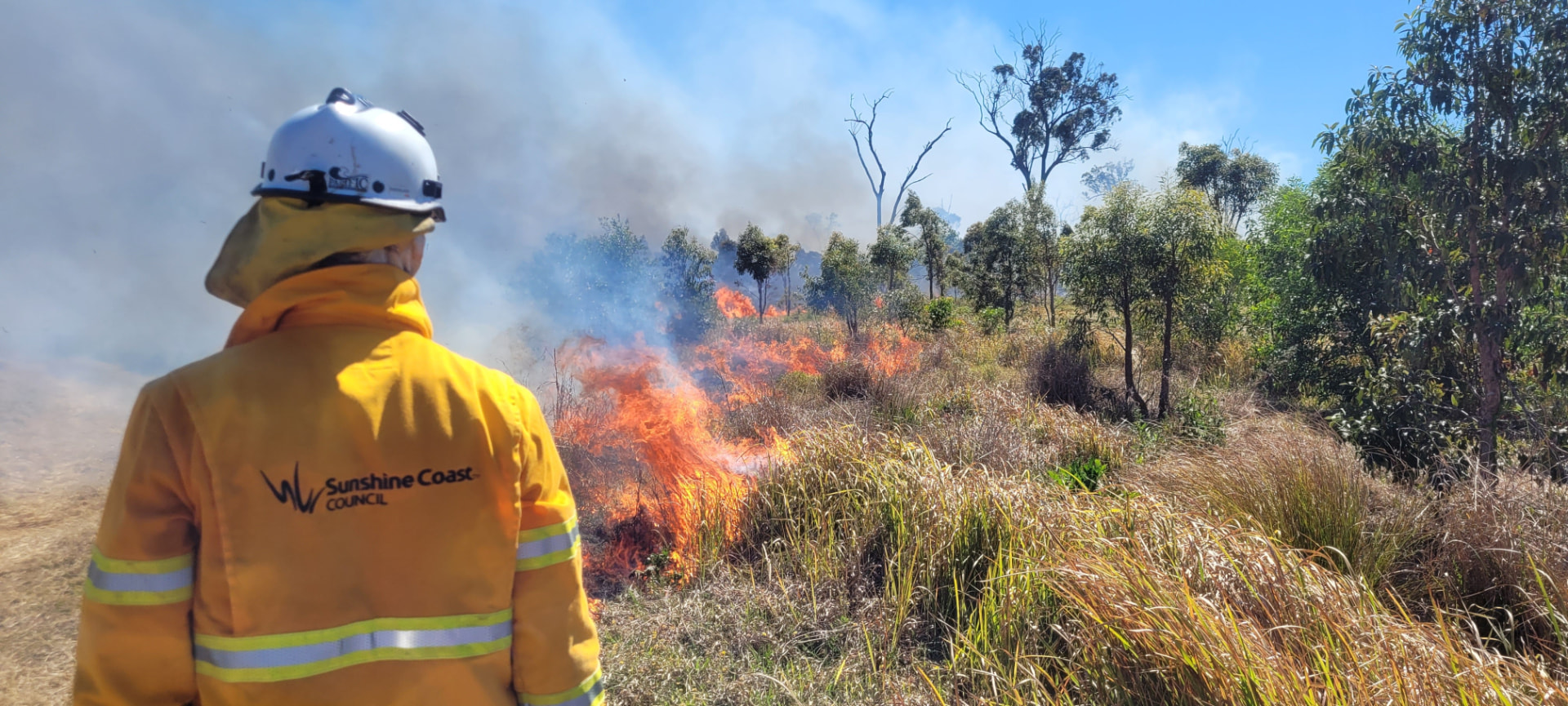
Rosanna Natoli Urges Sunshine Coast Residents To Prepare As Bushfire Season Begins
Sunshine Coast Mayor Rosanna Natoli has urged residents to prepare now as bushfire season begins, warning that a wet winter does not remove the region's fire risk. Sunshine Coast Council's official August 4 release said the season had officially arrived and called on households to create a bushfire survival plan, clear gutters, manage vegetation around homes and stay alert to changing conditions. The message is practical: preparation has to happen before smoke is visible.