Buderim Food Scraps Trial Tests A New Way To Cut Waste From Apartment Living
A food scraps trial at a Buderim retirement community is testing how organics collection can work in multi-unit living, with implications for the wider Sunshine Coast waste system.
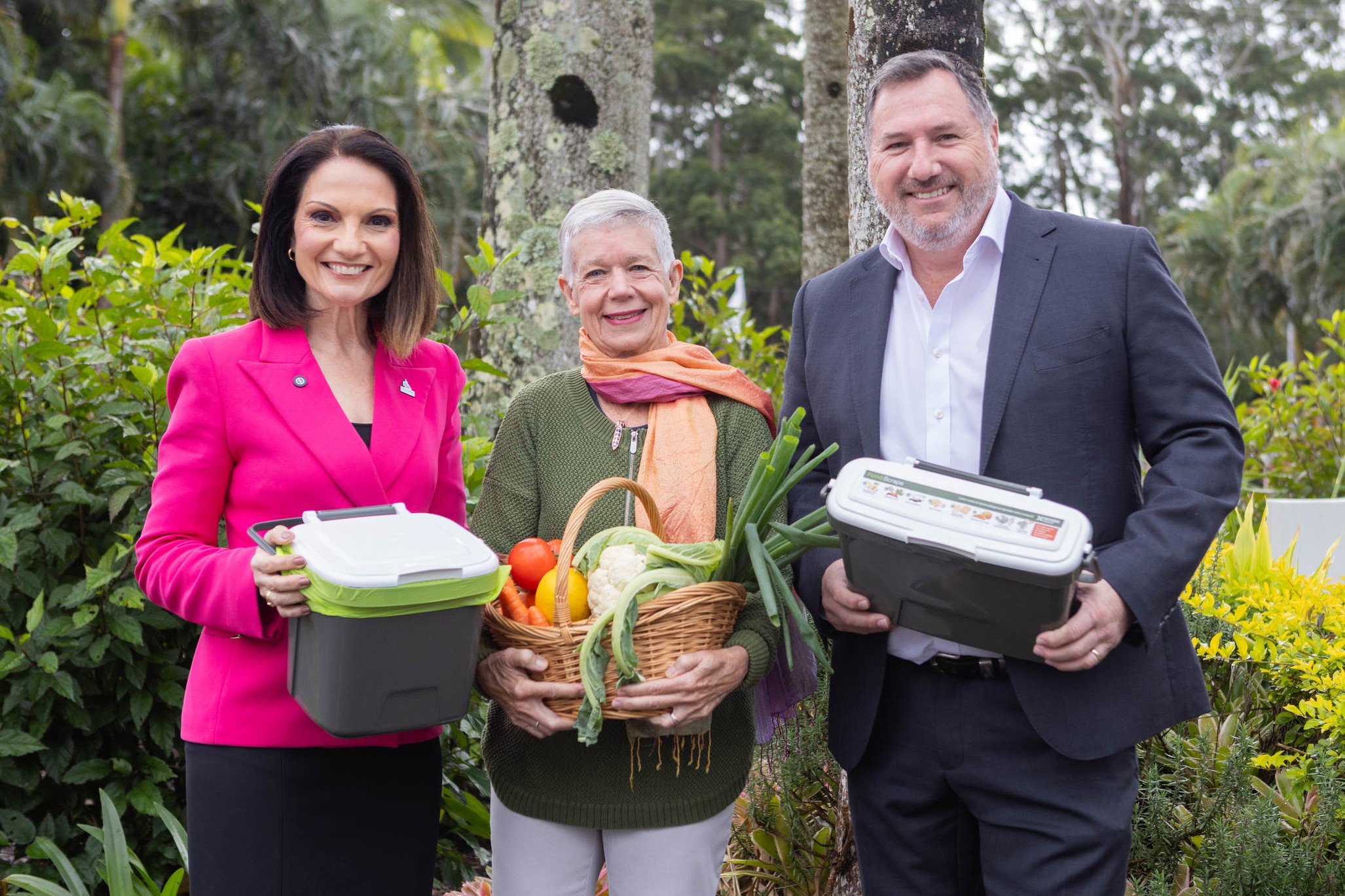
Food scraps collection is being tested in a multi-unit living setting on the Sunshine Coast.
A food scraps trial at IRT The Palms in Buderim is putting one of the Sunshine Coast's harder waste questions under a practical test: how to make organics collection work for people who live in apartments, retirement communities and other multi-unit settings. The project is small in physical footprint, but it matters because multi-unit living is often where recycling and food-waste systems become most difficult to run well.
The trial is part of a broader effort involving the Council of Mayors South East Queensland and local partners. The aim is to reduce the amount of food waste going to landfill by testing systems that residents can actually use day after day. That point is important. Waste policy can sound simple from a council chamber, but it succeeds only if households understand the bins, have space for the process and trust that the material is being handled properly.
Food scraps are a major environmental problem because they create methane when they break down in landfill. Keeping them out of general waste can reduce emissions and create opportunities for composting or other forms of resource recovery. For detached houses, councils can often design programs around kerbside bins and yard space. For apartment blocks and retirement villages, the challenge is different. Shared bin rooms, limited kitchen space, mobility needs and contamination risks all have to be managed.
That is why the Buderim setting is useful. A retirement-community trial can reveal whether residents find the system convenient, whether signage is clear, whether collection points are in the right place, and whether contamination can be kept low. It can also show what support is needed at the start. A food-scraps program may fail if people are simply given a caddy and a flyer. It has a better chance if residents can ask questions, see the benefit and build the habit together.
The Sunshine Coast has a wider stake in the outcome. As the region grows upward and inward, more people will live in complexes where waste systems are shared rather than private. If councils cannot solve food waste in those settings, a large part of the future housing market will remain stuck with old landfill habits. If the trial produces a workable model, it could help body corporates, retirement operators and councils roll out better systems with less guesswork.
The economics also matter. Landfill disposal is becoming more expensive and politically harder to defend when recoverable material is buried. Reducing food waste can lower long-term pressure on waste infrastructure, but only if collection systems are efficient and contamination does not make the recovered stream unusable. The Buderim trial will therefore be judged on practical details, not slogans.
For residents, the immediate promise is simple: an easier way to keep scraps out of the rubbish. For the region, the bigger value is evidence. A successful trial could give south-east Queensland a clearer template for organics collection in the places where standard kerbside thinking has not been enough.
The test should also help councils communicate the issue in household terms. If residents can see that a daily kitchen habit reduces landfill pressure and produces a cleaner local system, the policy becomes less about waste targets and more about a shared routine that many people can manage.
More in Environment
Keep reading

Mooloolaba And Noosa Flood-Risk Warning Pushes Coastal Planning Back Into View
New climate-risk reporting has named Mooloolaba and Noosa Heads among vulnerable coastal hotspots, renewing attention on insurance, planning and public infrastructure.

Mount Coolum Golf Club Tree Approval Turns On Wildlife Checks Before Work Starts
Sunshine Coast Council has approved limited tree removal and pruning at Mount Coolum Golf Club, with wildlife inspections and native bee protections attached.
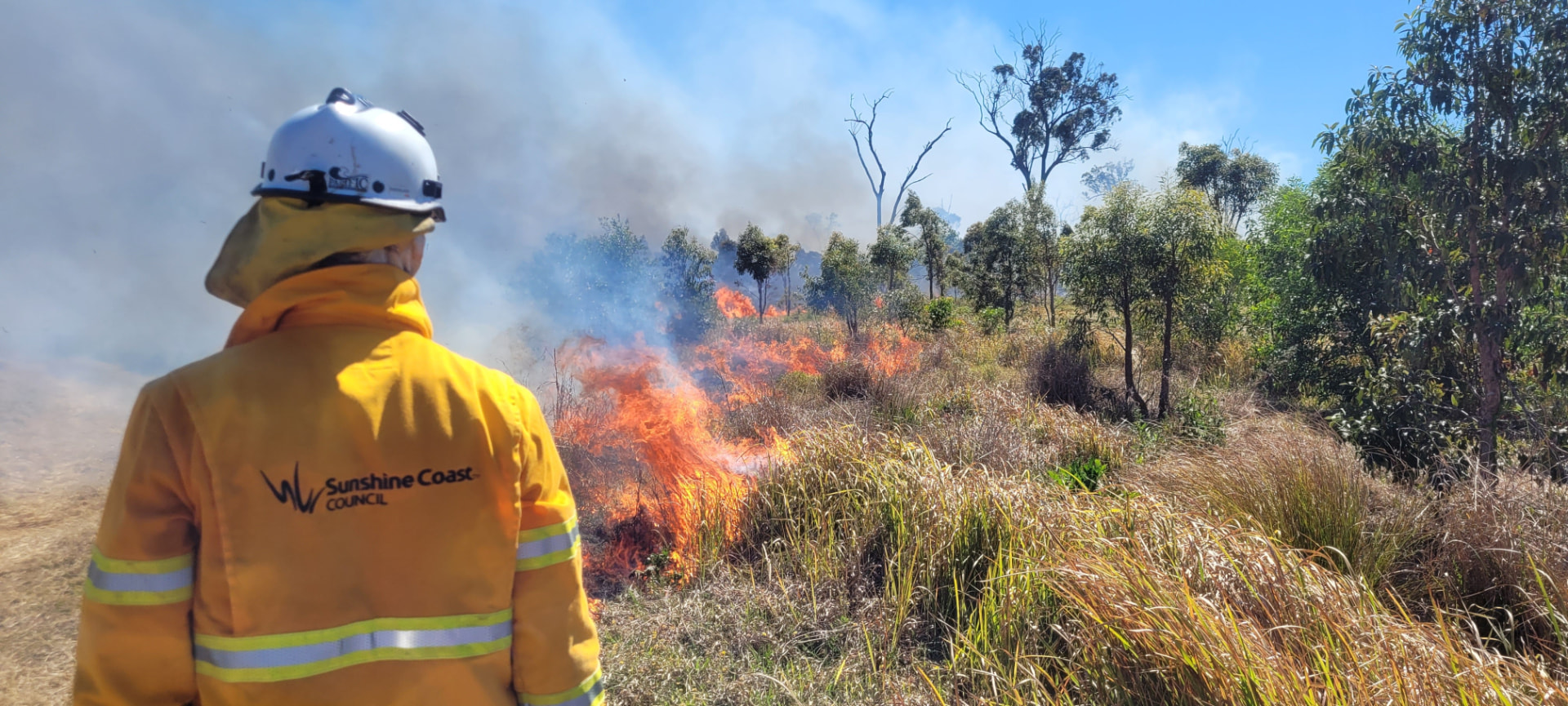
Rosanna Natoli Urges Sunshine Coast Residents To Prepare As Bushfire Season Begins
Sunshine Coast Mayor Rosanna Natoli has urged residents to prepare now as bushfire season begins, warning that a wet winter does not remove the region's fire risk. Sunshine Coast Council's official August 4 release said the season had officially arrived and called on households to create a bushfire survival plan, clear gutters, manage vegetation around homes and stay alert to changing conditions. The message is practical: preparation has to happen before smoke is visible.