Bribie Island Rebuild Adds 6500 Native Plants To Protect Pumicestone Passage Coastline
About 6500 native plants have been established on Bribie Island as part of a wider emergency works package designed to protect the Pumicestone Passage coastline from erosion.
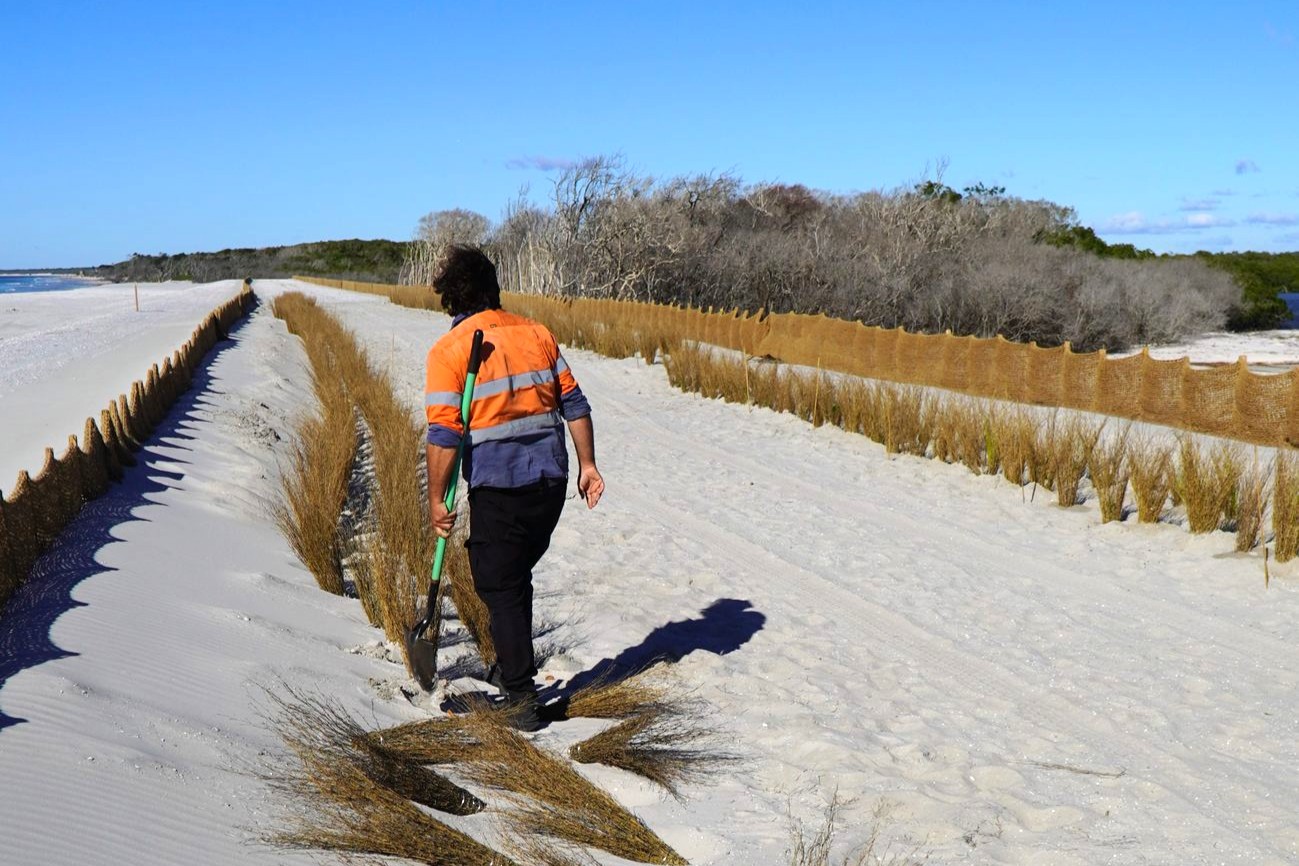
Native plants have been established on Bribie Island as part of emergency coastal works near the Pumicestone Passage.
About 6500 native plants have been established on Bribie Island as part of a wider emergency works package designed to protect the Pumicestone Passage coastline from erosion and tidal breakthrough impacts. The planting trial covers about 2000sqm and forms one visible part of a much larger response that has already involved dredged sand, channel works, sand fencing and an erosion buffer.
Sunshine Coast News reported on 22 June that the broader works have included filling two tidal breakthroughs with more than 1.1 million cubic metres of dredged sand, opening a channel in the Pumicestone Passage, constructing a sand erosion buffer now about five metres high and building a sand fence. The native plants have been selected to align with national park management guidelines, according to information released by Caloundra MP Kendall Hatcher.
The environmental challenge is not simply planting greenery and walking away. The source report notes that establishing vegetation on the barrier involves harsh conditions, including high salinity and nutrient-poor freshly dredged sand. The coming months will rely heavily on strategic watering and local rainfall. The isolated island location also complicates transport of materials and equipment, making maintenance and monitoring more difficult than a standard coastal landscaping project.
The trial is using innovation as well as planting. The project is trialling Mangrove Mates, a biodegradable device designed to assist seed capture, trap sand and improve plant establishment. That kind of practical experimentation matters because coastal repair work often sits between engineering and ecology. Sand can be moved and shaped quickly, but vegetation gives dunes and buffers a better chance of stabilising over time if the plants survive the early exposure.
For Sunshine Coast communities around Caloundra, Golden Beach and the Pumicestone Passage, the Bribie Island works are more than an environmental story. They affect boating, shoreline protection, habitat, local amenity and long-running anxiety about how the passage will respond to storms and tidal change. The island's breakthrough problems have shown how quickly coastal systems can shift and how expensive emergency responses become once erosion accelerates.
The planting trial should therefore be seen as a test of resilience. If the native species establish, they can help bind sand, rebuild natural structure and support a longer-term coastal buffer. If the trial struggles, authorities will need to adjust species selection, watering, protective devices or staging before scaling similar measures. The lesson will be valuable either way because future coastal works will need stronger evidence about what survives in exposed conditions.
The rebuild also illustrates the limits of one-off emergency repairs. Moving sand can buy time, but living systems need monitoring, maintenance and adaptive management. The success of the Bribie Island work will depend on whether the new vegetation survives the first hard seasons and whether the broader passage system remains stable enough for those plants to do their job.
For residents watching the shoreline, that survival test is the part that matters most. It will also help show whether similar nature-based measures can support future coastal repair work in exposed Sunshine Coast settings.
More in Environment
Keep reading
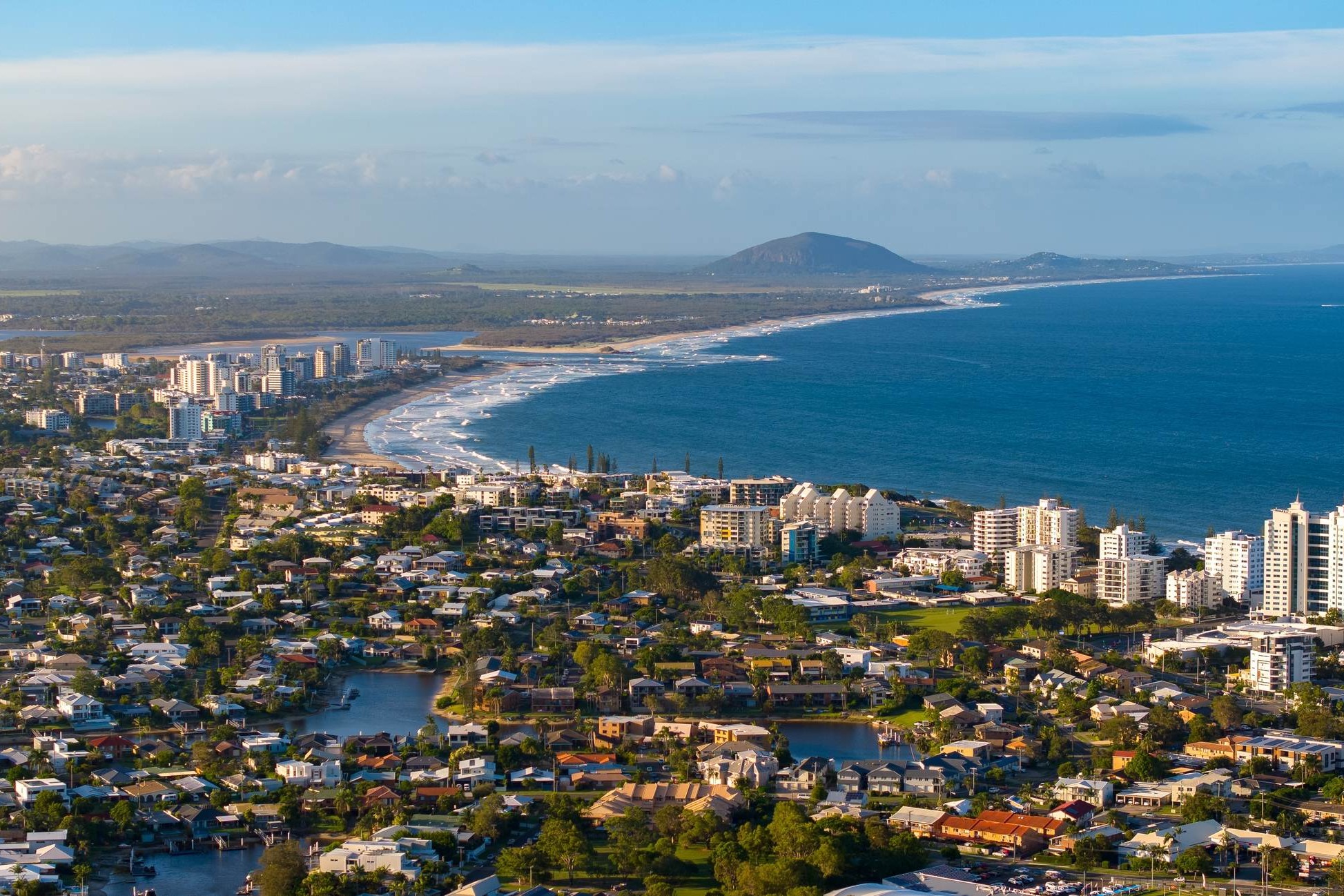
Mooloolaba And Noosa Flood-Risk Warning Pushes Coastal Planning Back Into View
New climate-risk reporting has named Mooloolaba and Noosa Heads among vulnerable coastal hotspots, renewing attention on insurance, planning and public infrastructure.
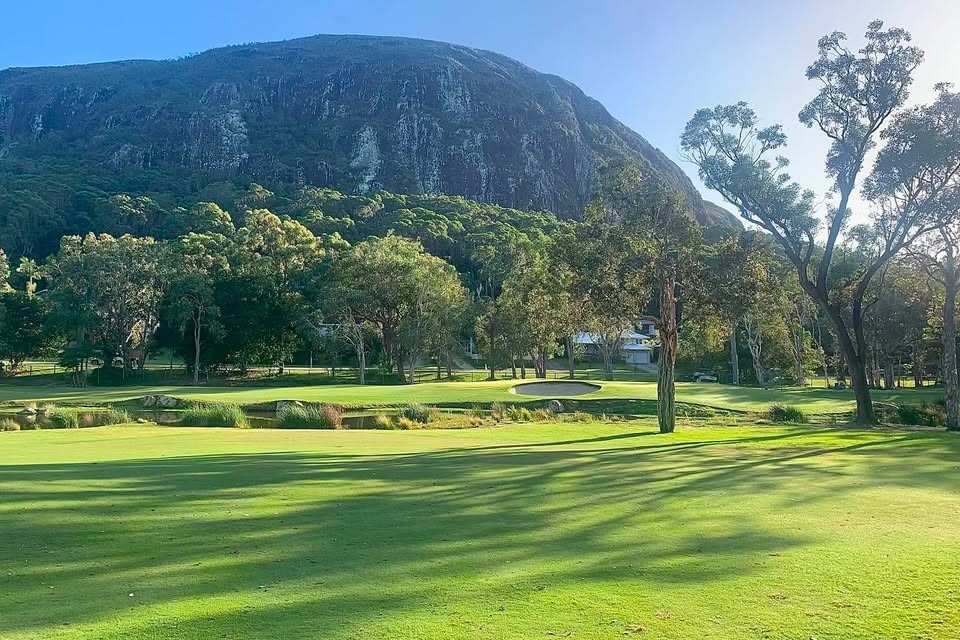
Mount Coolum Golf Club Tree Approval Turns On Wildlife Checks Before Work Starts
Sunshine Coast Council has approved limited tree removal and pruning at Mount Coolum Golf Club, with wildlife inspections and native bee protections attached.
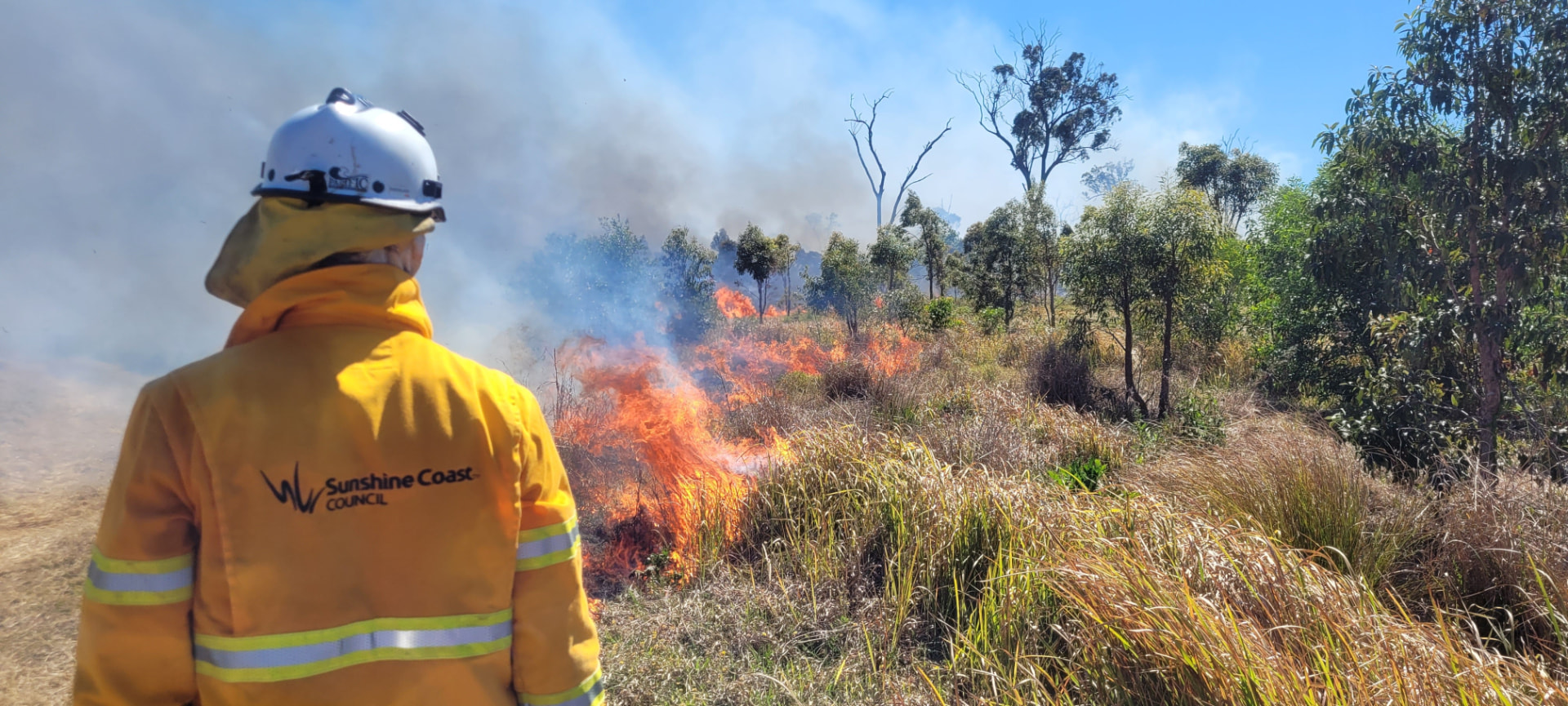
Rosanna Natoli Urges Sunshine Coast Residents To Prepare As Bushfire Season Begins
Sunshine Coast Mayor Rosanna Natoli has urged residents to prepare now as bushfire season begins, warning that a wet winter does not remove the region's fire risk. Sunshine Coast Council's official August 4 release said the season had officially arrived and called on households to create a bushfire survival plan, clear gutters, manage vegetation around homes and stay alert to changing conditions. The message is practical: preparation has to happen before smoke is visible.