Turbine Sunshine Coast Liquidation Confirms Food Precinct Setback
Turbine Sunshine Coast has moved from cancelled project to formal wind-up, confirming a major setback for the region's ambition to create a collaborative food and beverage manufacturing precinct.
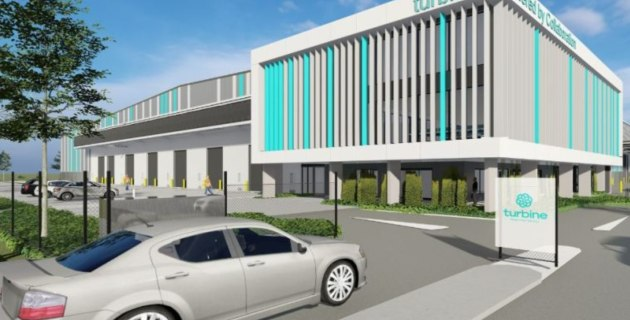
The Turbine food and beverage manufacturing precinct was previously proposed for the Sunshine Coast Industrial Park.
Turbine Sunshine Coast has moved from cancelled project to formal wind-up, confirming a major setback for the region's long-running ambition to create a collaborative food and beverage manufacturing precinct.
The Courier-Mail reported on 22 July that directors had placed Turbine Sunshine Coast Limited into voluntary liquidation after the project failed to meet funding milestones. The report said the not-for-profit had been created to boost local food and drink manufacturing on the Sunshine Coast and had been unable to secure the tenancy commitments required to begin construction by September 2025 under its funding agreement.
The liquidation follows Turbine's own February statement, which said the food and beverage pilot project proposed for the Sunshine Coast Industrial Park would not proceed in its originally scoped form. Turbine said a detailed period of planning, consultation and market testing had shown the project could not secure enough commercial support to meet key milestones and associated funding conditions. It said construction had not started by the required September 2025 date.
For the Sunshine Coast food sector, the failure is significant because Turbine had promised more than a single building. Earlier project material described a shared precinct that would support small and medium food and beverage manufacturers with common-use infrastructure, research and development capacity, warehousing, logistics, an expertise hub and training links. The concept was to reduce barriers to scale and help local producers move from good product ideas to larger, more efficient production.
That problem has not disappeared. Local food and beverage businesses still face the same practical constraints: capital costs, specialist equipment, compliance requirements, skilled labour, cold chain logistics, export readiness and the challenge of moving from local success to wider markets. A shared precinct was attractive because many of those costs are hard for individual producers to carry alone.
Turbine said in February that all local businesses and suppliers engaged during the project had been paid for services provided and had not been negatively affected as part of the project closure. It also said the land identified for the proposed project was held under a call option deed and would return to the market. Those details matter because they narrow the story from a general collapse into a specific failure to convert a large collaborative concept into bankable tenancy commitments.
The lesson for future food-sector planning is not that the Coast should abandon manufacturing innovation. It is that shared infrastructure projects need commitments that match their scale before public funding conditions and construction timetables become critical. Enthusiasm, government interest and a strong regional narrative are not enough if the commercial pipeline is not deep enough to carry the project.
The region now needs a more grounded conversation about what support food and beverage manufacturers can actually use. That may mean smaller shared facilities, targeted grants, partnerships with existing manufacturers, university-linked pilots or training programs that do not depend on one large precinct. Turbine's wind-up closes one version of the idea, but the underlying need for practical manufacturing support remains part of the Sunshine Coast's economic story.
More in Food & Drink
Keep reading
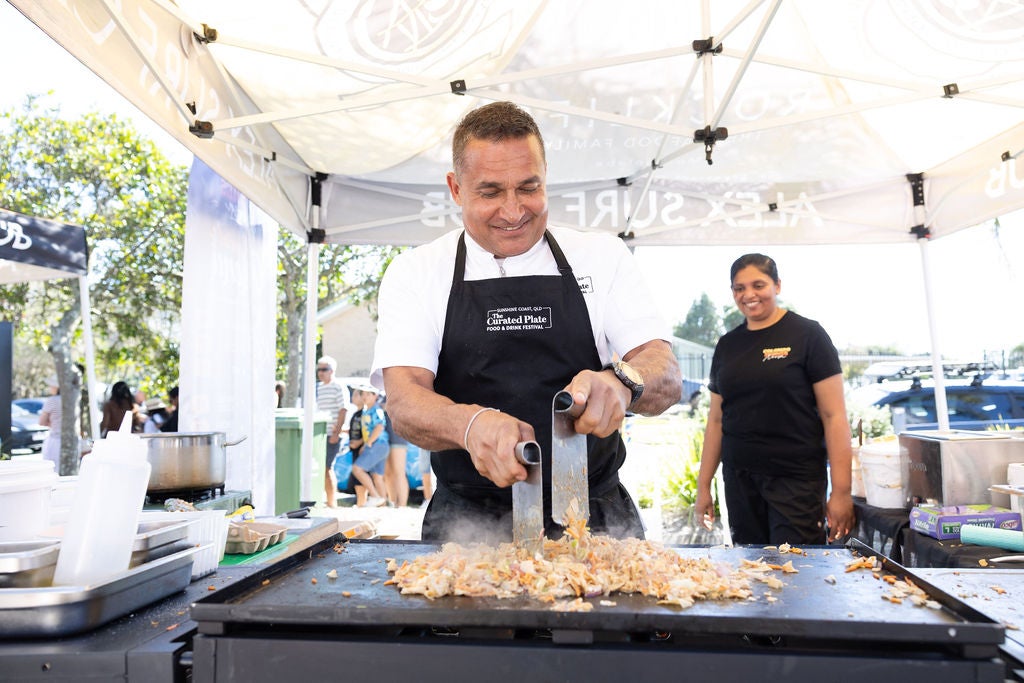
Peter Kuruvita And The Curated Plate Draw Nearly 10,000 People To Sunshine Coast Food Festival
The Curated Plate has finished its biggest Sunshine Coast program yet, with council-backed reporting saying almost 10,000 people attended events across the 10-day food festival. The 2026 program ran from July 24 to August 2 and stretched across more than 90 experiences, from chef-led beachside dining and hinterland farm events to family-friendly tastings, producer showcases and First Nations food programming. For the region, the result turns the festival from a nice winter activation into a serious food-tourism asset.
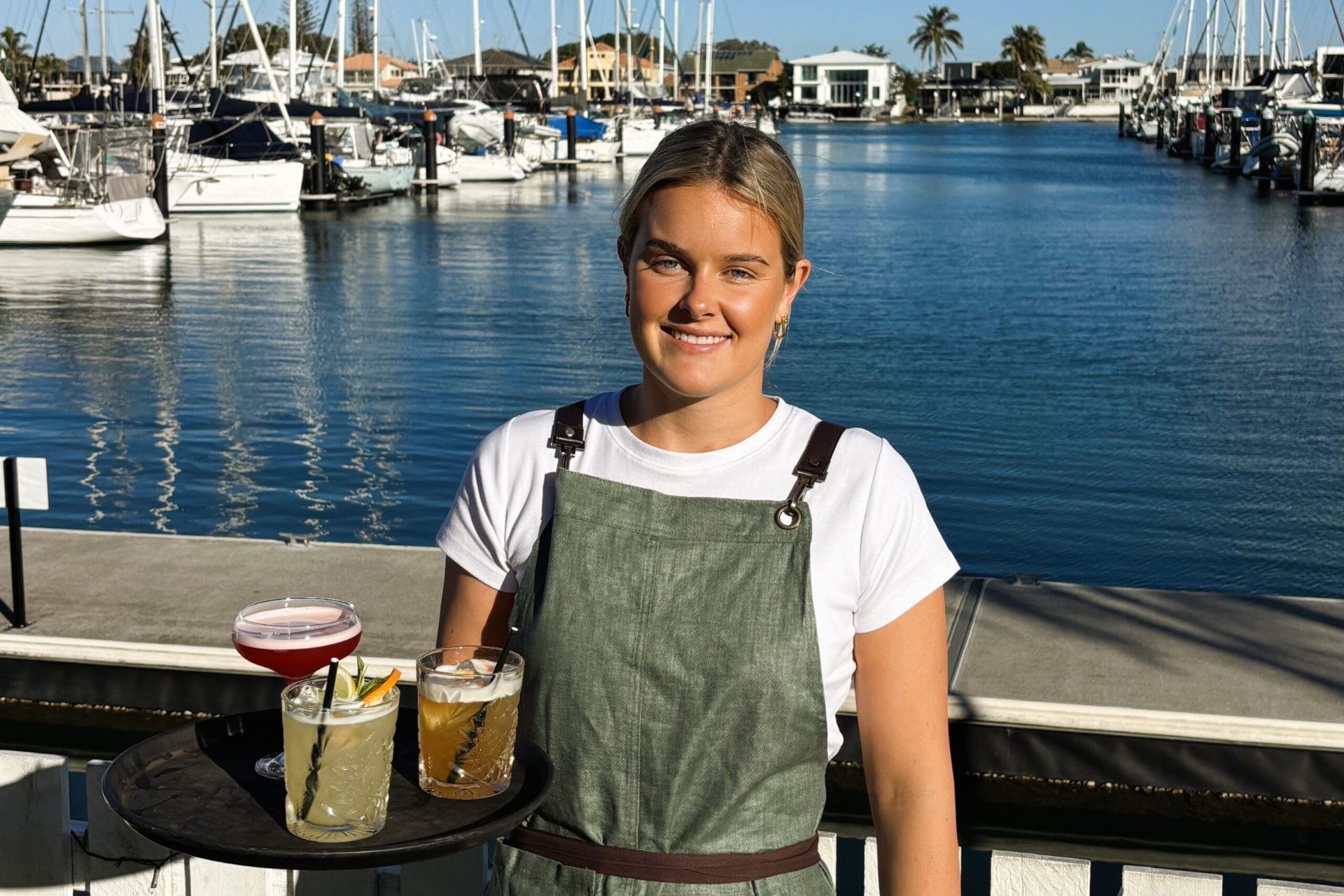
Craig Dangar Reopens Former Pier 33 Site As Marina Mooloolaba With Staff Retained
Marina Mooloolaba is preparing to reopen the former Pier 33 waterfront venue, with co-owner Craig Dangar confirming a soft restaurant opening on Saturday and a larger formal opening planned for October 1.
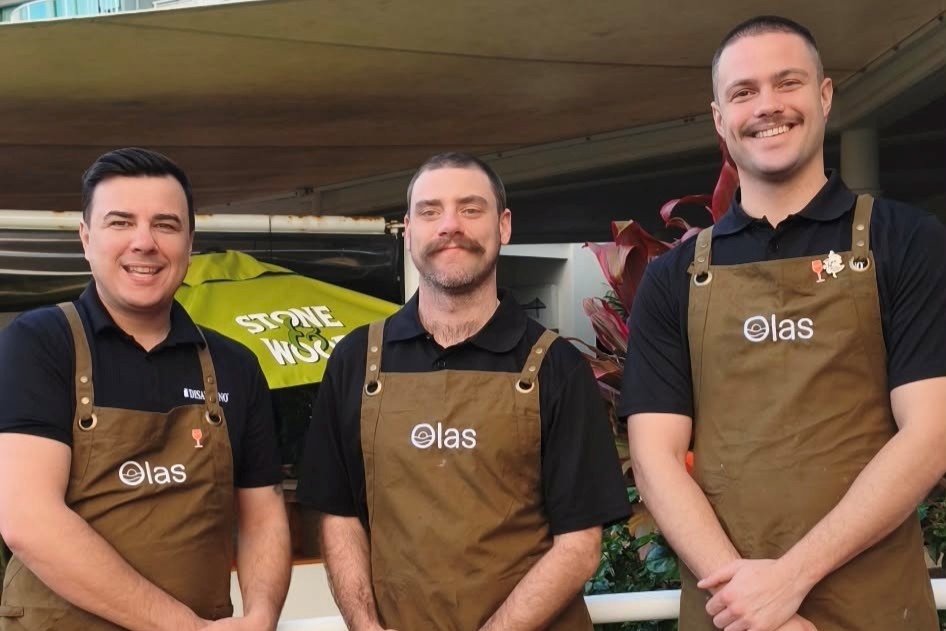
Thomas Ring, Jack Quinn And Angelo Puelma Open Olas Beach House At Alexandra Headland
Hospitality operators Thomas Ring, Jack Quinn and Angelo Puelma have turned a former Indian restaurant site on Alexandra Parade into a Mediterranean-inspired beach bar.