TMR Says 81 Sunshine Coast Properties No Longer Needed For The Wave Corridor
Dozens of Sunshine Coast property owners have been told their land will no longer be required for The Wave transport corridor, after updated planning narrowed some of the likely acquisition impacts around Mountain Creek and Birtinya.

An impression of the Mooloolah River Interchange Upgrade, which is linked to The Wave transport corridor.
Dozens of Sunshine Coast property owners have been told their land will no longer be required for The Wave transport corridor, after updated planning narrowed some of the likely acquisition impacts around Mountain Creek and Birtinya.
Sunshine Coast News reported on July 30 that owners of 81 properties previously identified as potentially affected had been notified their land would not be needed. The update relates to Stage 3 of The Wave, the proposed metro-style vehicle corridor between Birtinya and Sunshine Coast Airport, including a connection to the new Maroochydore City Centre. The corridor is also tied to major changes around the Mooloolah River Interchange, one of the region's most important congestion points.
The news does not remove all property impacts. The latest maps still show some homes, particularly in part of Mountain Creek, likely to be affected. The path between Mountain Creek and the airport is also not yet clear enough for all impacts to be confirmed. That means some owners now have relief, while others remain in a waiting period that can affect household decisions, renovation plans, sale timing and personal stress.
The Department of Transport and Main Roads told Sunshine Coast News that The Wave and the Mooloolah River Interchange Upgrade were generational infrastructure projects intended to improve movement, safety and connectivity across the region. The department also said it had worked with impacted owners and stakeholders to provide information and support, and would continue to minimise construction impacts such as noise as the projects moved forward.
The broader transport plan has shifted several times in public understanding. The corridor was once framed around rail before authorities moved to a package that includes heavy rail between Beerwah and Birtinya and a metro-style vehicle route from Birtinya to the airport. Earlier project coverage has described Stage 1 as the Beerwah-to-Caloundra rail section, Stage 2 as Caloundra-to-Birtinya rail, and Stage 3 as the metro-style connection north through Maroochydore toward the airport.
For residents, property acquisition is one of the most personal parts of infrastructure delivery. Route maps can look abstract when viewed at regional scale, but every line that crosses a block can affect a family, tenant, landlord, small business or retirement plan. Removing 81 properties from the acquisition list is therefore a real reduction in uncertainty for those owners, even if it does not answer every question for the communities still near the corridor.
Noise and visual mitigation remain unresolved details. Sunshine Coast News reported that monitoring and modelling are underway to establish baseline noise levels around the corridor, with final decisions on the type, height, materials and placement of noise barriers still to be made during detailed design. Those details will matter for nearby households that are not acquired but may live beside construction sites or a future transport route.
The immediate takeaway is that The Wave is becoming more specific, not fully settled. A narrower acquisition footprint is welcome for the owners released from the process, but the region still needs clear maps, staged consultation and plain explanations of what each section will mean on the ground. As the Coast grows toward 2032 and beyond, the test will be whether transport gains are delivered without leaving affected residents to carry unnecessary uncertainty for years.
More in Sunshine Coast
Keep reading
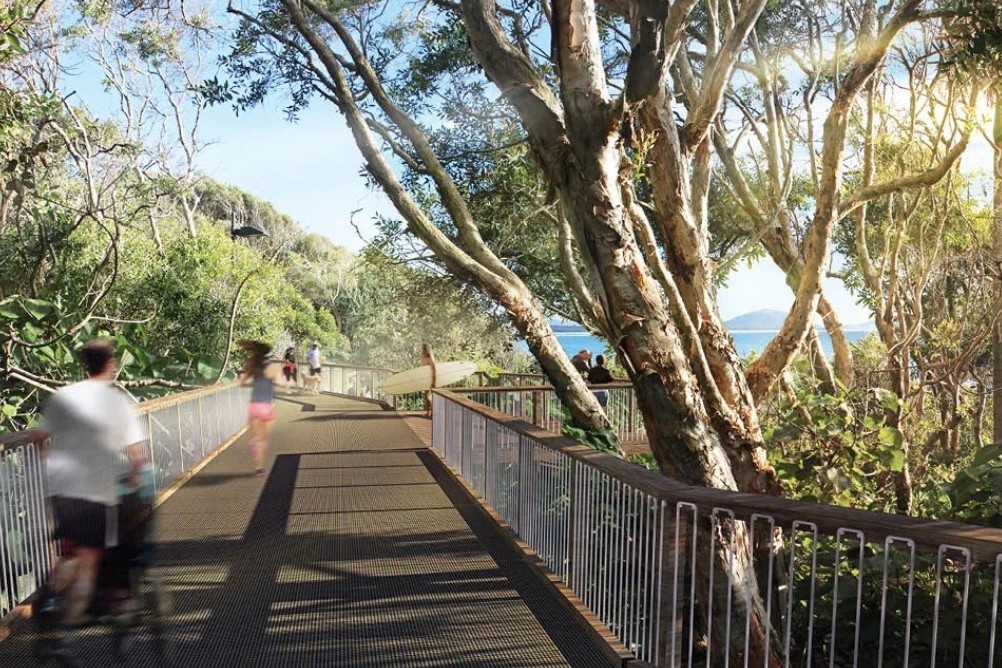
Alexandra Headland Coastal Path Delay Pushes Boardwalk Work Past July
Weather delays and a boardwalk material supply issue have pushed the Alexandra Headland Coastal Path Upgrade beyond its original July completion target.
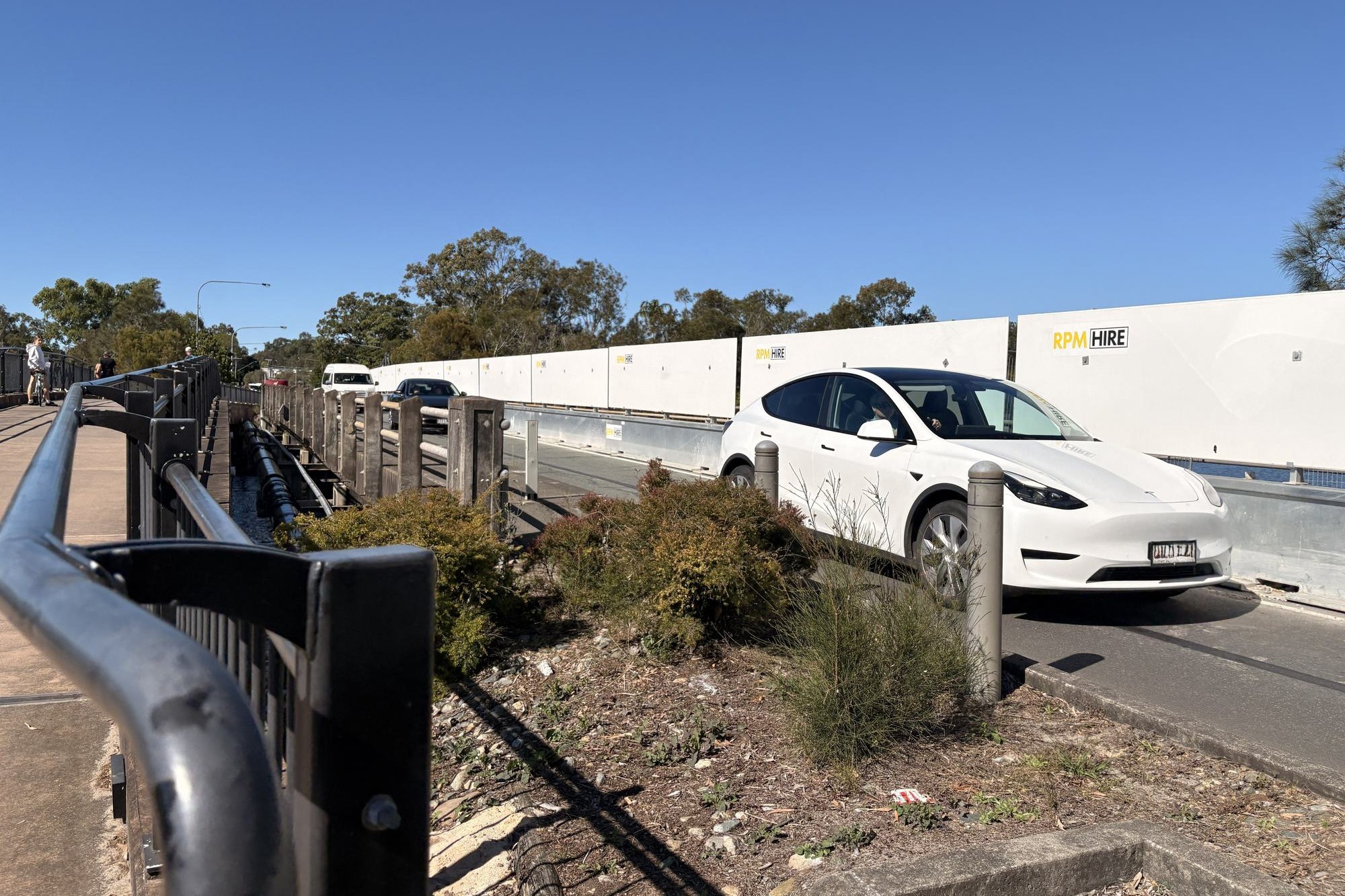
Larry Sengstock Says Doonella Bridge Traffic Will Be Watched As Schools Return
Noosa Council CEO Larry Sengstock says the revised single-lane two-way arrangement on Doonella Bridge has started better than the earlier detour, but the real test comes as schools return.
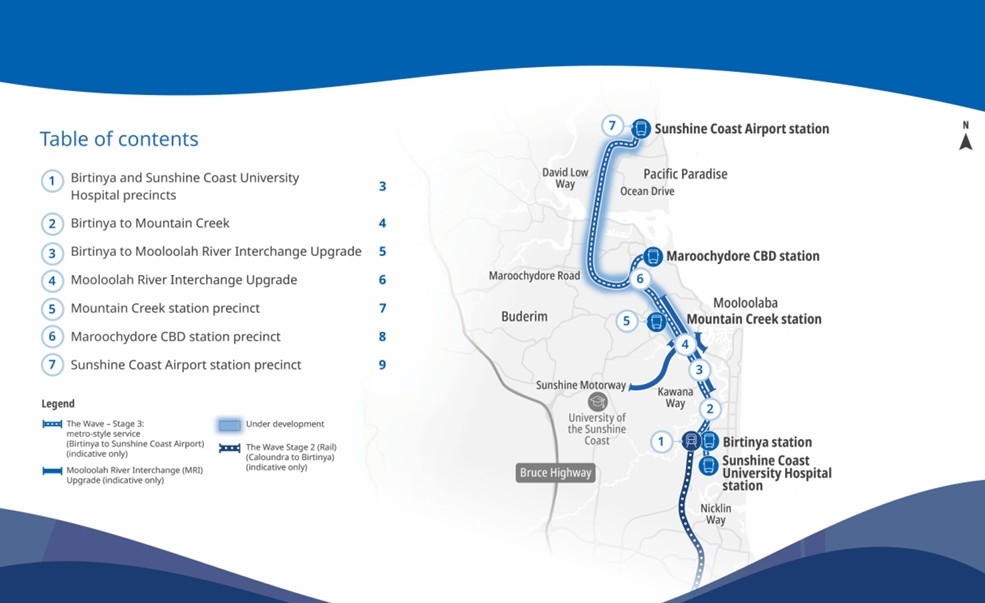
Queensland Government Maps Show The Wave Metro Route From Birtinya To Sunshine Coast Airport
New state government maps detail The Wave Stage 3, a metro-style corridor proposed to link Sunshine Coast University Hospital at Birtinya with Sunshine Coast Airport via Mountain Creek and Maroochydore.