Sunshine Coast Health Warns Syphilis Cases Have More Than Doubled Since 2022
Sunshine Coast Health is urging regular testing after local syphilis cases more than doubled, with 95 cases recorded last year compared with 38 in 2022.
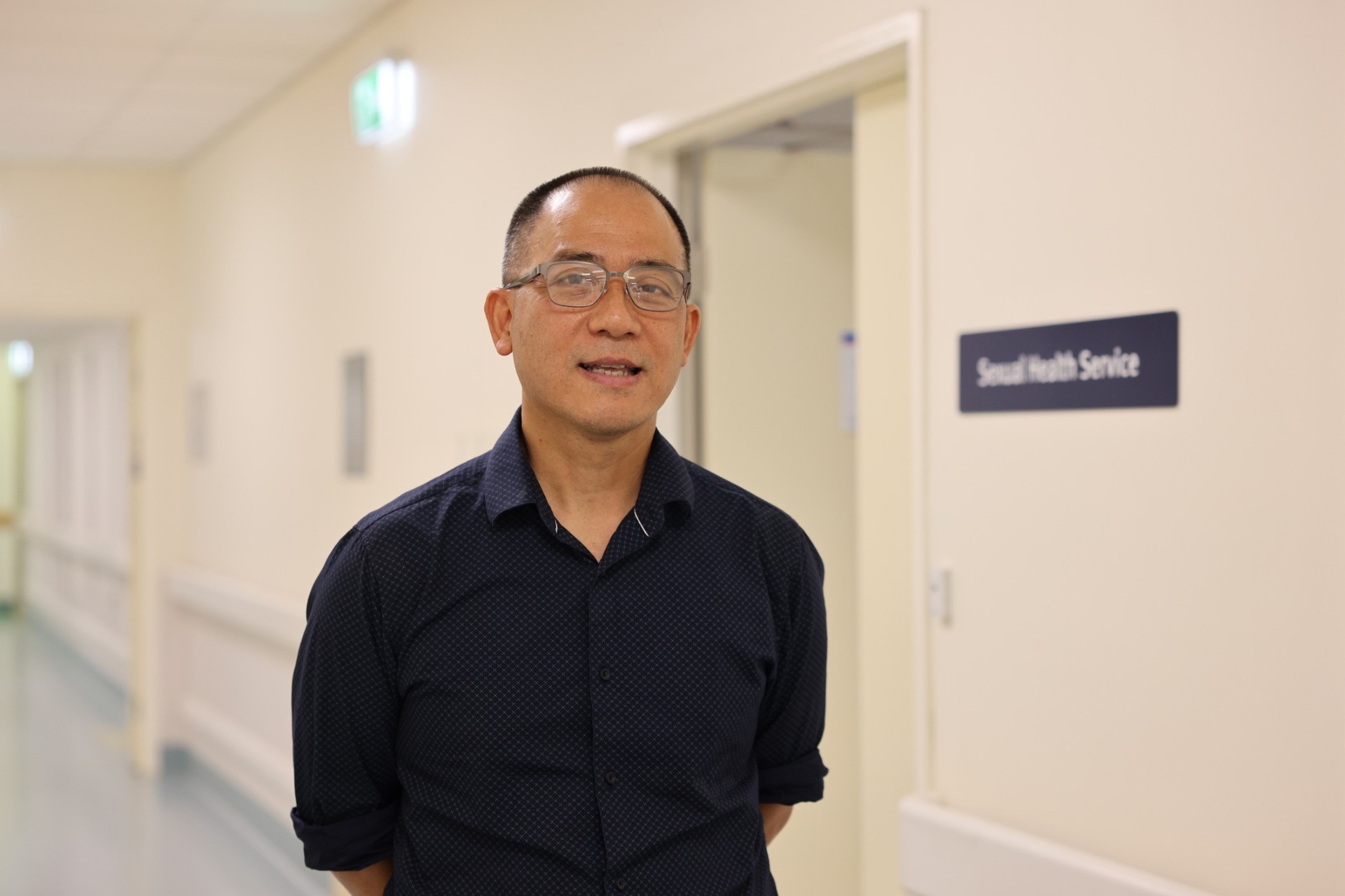
Sunshine Coast Health sexual health medical director Dr Kuong Taing is urging regular testing as syphilis cases rise.
Sunshine Coast Health is urging regular testing after local syphilis cases more than doubled in recent years, with 95 cases recorded in the region last year compared with 38 in 2022. The warning is a community health story because syphilis can spread silently, can be treated effectively when detected, and can cause serious long-term harm when missed.
Sunshine Coast Health sexual health medical director Dr Kuong Taing described the rise as concerning because people may not know they have the infection. He said syphilis can be silent or involve mild skin symptoms at first, but over time can cause severe and irreversible damage to the brain, heart and organs if left untreated. He urged sexually active people with new or multiple partners to get tested regularly, even if they do not have symptoms.
The practical advice is straightforward. Testing is through a simple blood test, and antibiotic treatment is highly effective. Sunshine Coast residents can seek a blood test through their usual GP, private sexual health clinics or Sunshine Coast Health sexual health clinics at Caloundra Health Service and Nambour and Gympie hospitals. The key public health point is that testing should happen before symptoms force the issue, because waiting can allow infection to spread and complications to build.
Pregnancy is one of the clearest reasons the warning matters. Sunshine Coast Health obstetrician Dr Vanessa Watson said syphilis can be passed from pregnant mothers to babies and can increase the chance of premature birth, restricted growth, stillbirth and serious long-term health problems after birth. She said the number of women in Australia who get syphilis has increased by about six times in the past decade, with a corresponding increase in infection rates for babies.
The local message also sits within a wider national and global pattern. Queensland Health publishes notifiable conditions data, while Australia's national syphilis surveillance reporting has tracked congenital syphilis as a continuing concern. The World Health Organization estimates millions of adult syphilis cases globally, showing that local increases are part of a broader public health challenge that does not stop at regional boundaries.
For the Sunshine Coast, the public message is simple and practical. Regular testing protects individuals, partners and babies. Antibiotic treatment is effective when started early. Free or low-cost clinic options exist alongside GP services. Acting on the warning is a small, repeatable step that can stop a long-term health issue from becoming far more serious for individuals and the community.
The warning also highlights the value of accessible, non-judgemental services. Many people delay testing because of stigma or uncertainty. Local clinicians say the most useful change residents can make is to treat sexual health checks as routine care rather than a reaction to symptoms, which gives services a better chance to detect and treat infections before they cause lasting harm.
More in Community
Keep reading

Doonella Boat Ramp Options Put Noosa River Access To A Public Test
Two upgrade concepts for the Doonella Boat Ramp are now before the public, with consultation open before transport officials choose a preferred design.

Cooran's Pioneer Park Upgrade Adds Pickleball And Safer Play To Village Hub
Pioneer Park's refreshed playground, bridge connection and court markings have turned a small Cooran project into a broader community recreation upgrade.

UniSC And Anglicare Study Says Spare Rooms Could Help Ease Sunshine Coast Housing Pressure
A University of the Sunshine Coast and Anglicare Southern Queensland study has put a practical but sensitive housing idea back in front of the region: whether spare bedrooms could be matched with people who need safe, affordable accommodation. Sunshine Coast News reported that the research found home-sharing could offer a practical housing option while improving affordability and reducing loneliness, provided it is supported by clear safeguards.