Sunshine Coast Keeps Top Regional Migration Spot As Buyers Chase Lifestyle And Infrastructure
The Sunshine Coast has retained its place as Australia's leading regional migration destination, sharpening the local property debate around lifestyle, infrastructure and housing supply. Sunshine Coast News reported on August 2 that the latest Regional Movers Index figures showed the Coast attracted 8.8 per cent of Australia's total net internal migration over the 12 months to March 2026. The result gave the region its fourth consecutive quarter in the lead, according to the report.
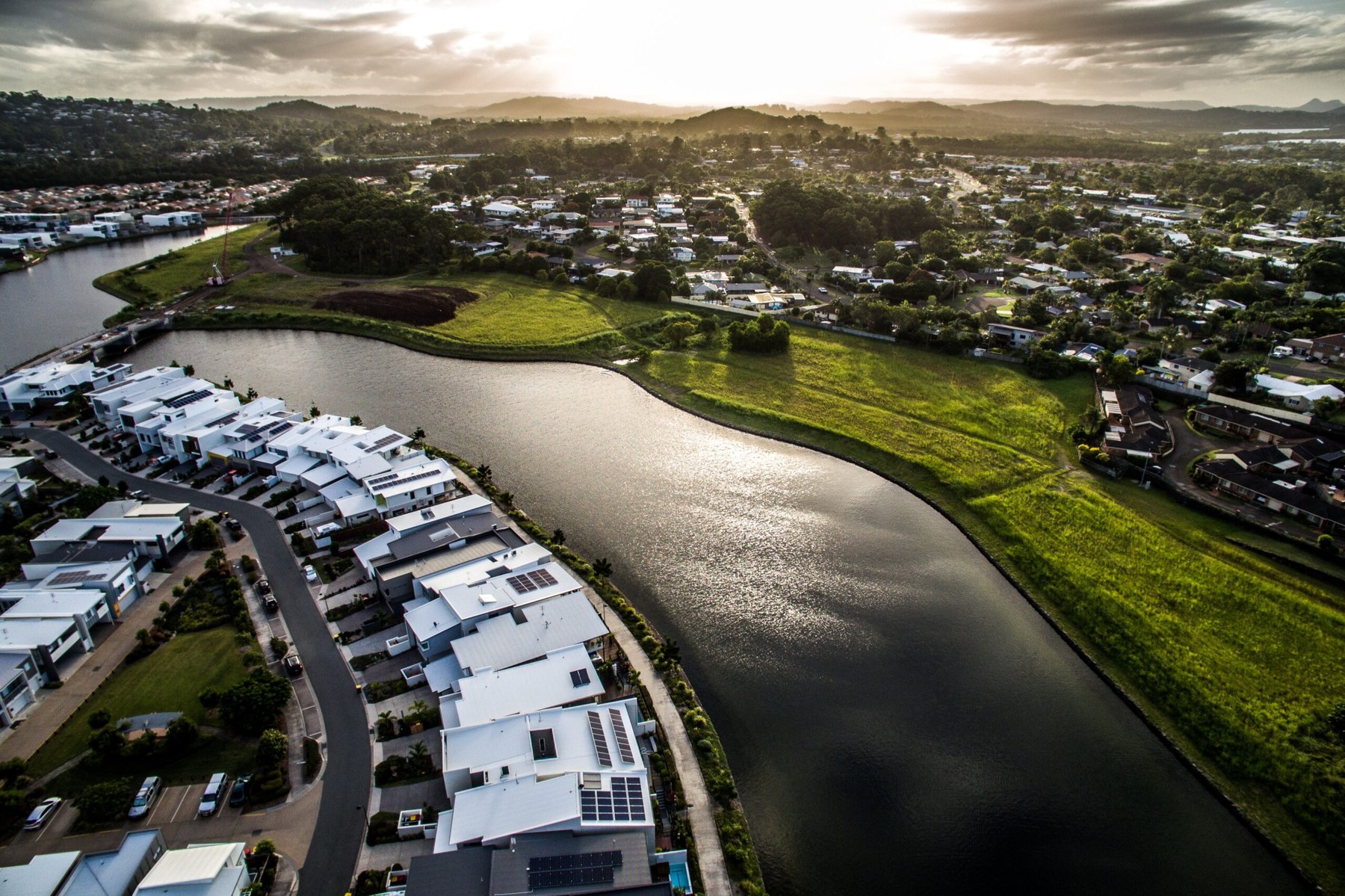
Maroochydore and the wider Sunshine Coast remain a national drawcard for regional movers.
The Sunshine Coast has retained its place as Australia's leading regional migration destination, sharpening the local property debate around lifestyle, infrastructure and housing supply. Sunshine Coast News reported on August 2 that the latest Regional Movers Index figures showed the Coast attracted 8.8 per cent of Australia's total net internal migration over the 12 months to March 2026. The result gave the region its fourth consecutive quarter in the lead, according to the report.
The Regional Movers Index, produced by the Commonwealth Bank and the Regional Australia Institute, tracks movement between capital cities and regional areas. Commonwealth Bank's June release said regional moves reached their highest level in the March 2026 quarter, with the Sunshine Coast maintaining its place as the most popular destination and Greater Geelong easing to 5.3 per cent. The same release said capital-city residents moving to regions outnumbered people moving from regions back to capitals by almost 30 per cent.
The numbers are not surprising to many Sunshine Coast real estate operators, but they explain why the market remains difficult for local buyers even when national headlines talk about cooling conditions. Sunshine Coast News quoted REIQ Sunshine Coast zone chair Mark McGill saying the Coast's draw was driven by major infrastructure, medical services, the airport upgrade and the lifestyle offer. He also pointed to projects in the pipeline, including the Sunshine Motorway interchange at Mooloolaba, light rail and railway planning.
That mix is powerful because it sells the region as more than a holiday address. The Coast now offers a combination of beaches, hospitals, university links, airport investment, expanding business precincts and a comparatively relaxed lifestyle. For people leaving Sydney, Melbourne or Brisbane, those features can make the area look like a long-term relocation choice rather than a short-term sea change. Sunshine Coast News reported New South Wales remained Queensland's largest source of interstate migrants, contributing around 60.3 per cent of the state's net gain in 2024-25, according to REIQ figures cited in the article.
The pressure point is supply. Mr McGill told Sunshine Coast News the market was undersupplied and that buyers were lingering around the $1.2 million mark while the market above $3 million was moving well. That is an important distinction for local households. A slower market does not automatically mean an affordable market, especially when demand keeps arriving from outside the region and when established coastal and central suburbs have limited room for new supply.
The next test is whether planning and infrastructure can keep pace without flattening the lifestyle that attracts people in the first place. The Coast's appeal rests on a balance between access and restraint: enough homes, transport and services to support population growth, but not so much pressure that the region loses the qualities people moved for. The latest migration figures confirm the demand is still there. The harder question is whether the region can convert that demand into sustainable growth rather than another round of price pressure and congestion.
For agents, builders and councils, the data is also a warning against treating demand as a short-term spike. Four quarters in front suggests a durable pattern. That makes housing choice, transport delivery and local employment growth central to whether migration remains an opportunity or becomes a worsening affordability problem.
More in Property
Keep reading
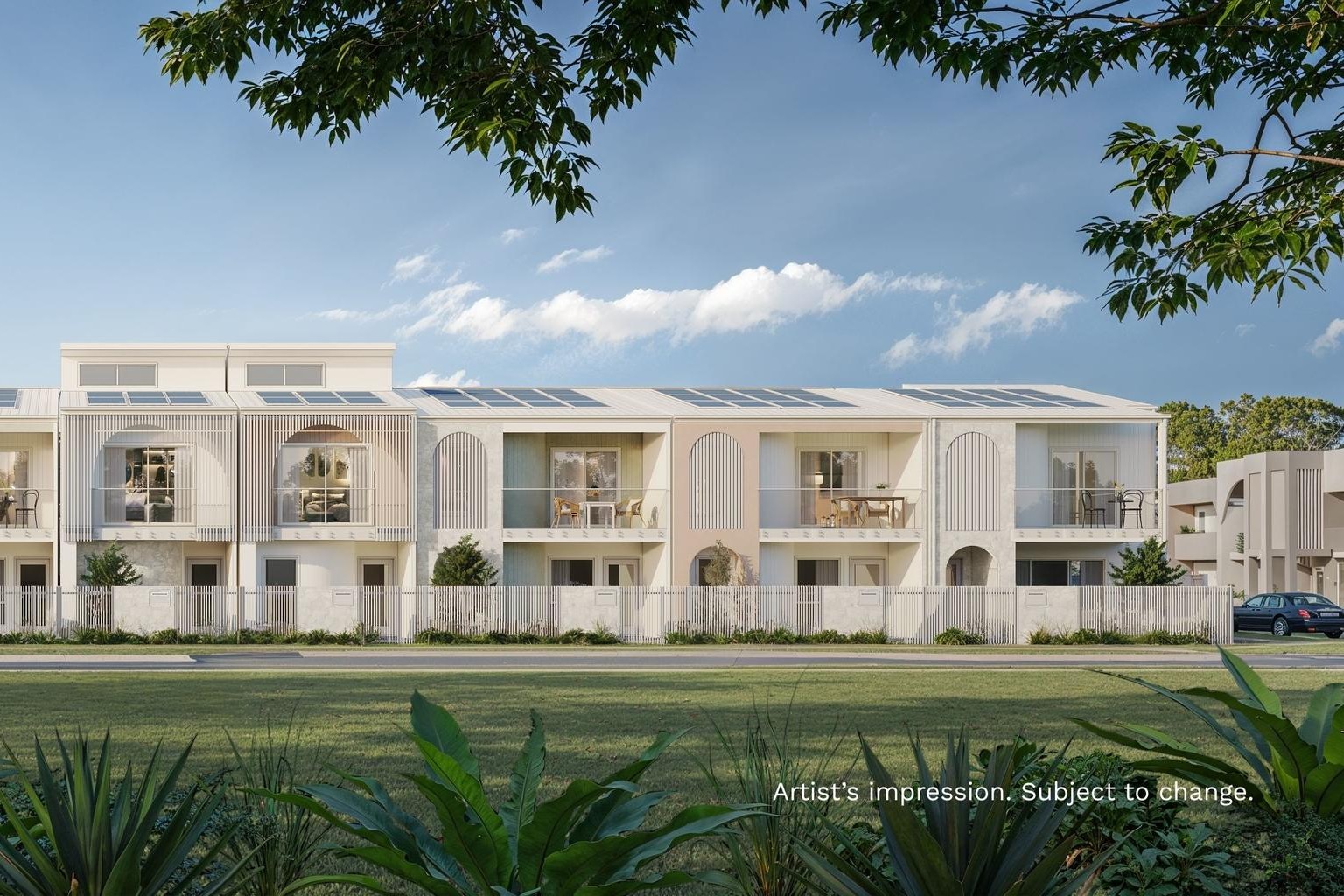
Stockland Ampere Brings Net-Zero Energy Home Design To Aura
Stockland has launched Ampere at Aura, a 190-terraced-home neighbourhood in Banya designed around solar, batteries, all-electric systems and household energy management.
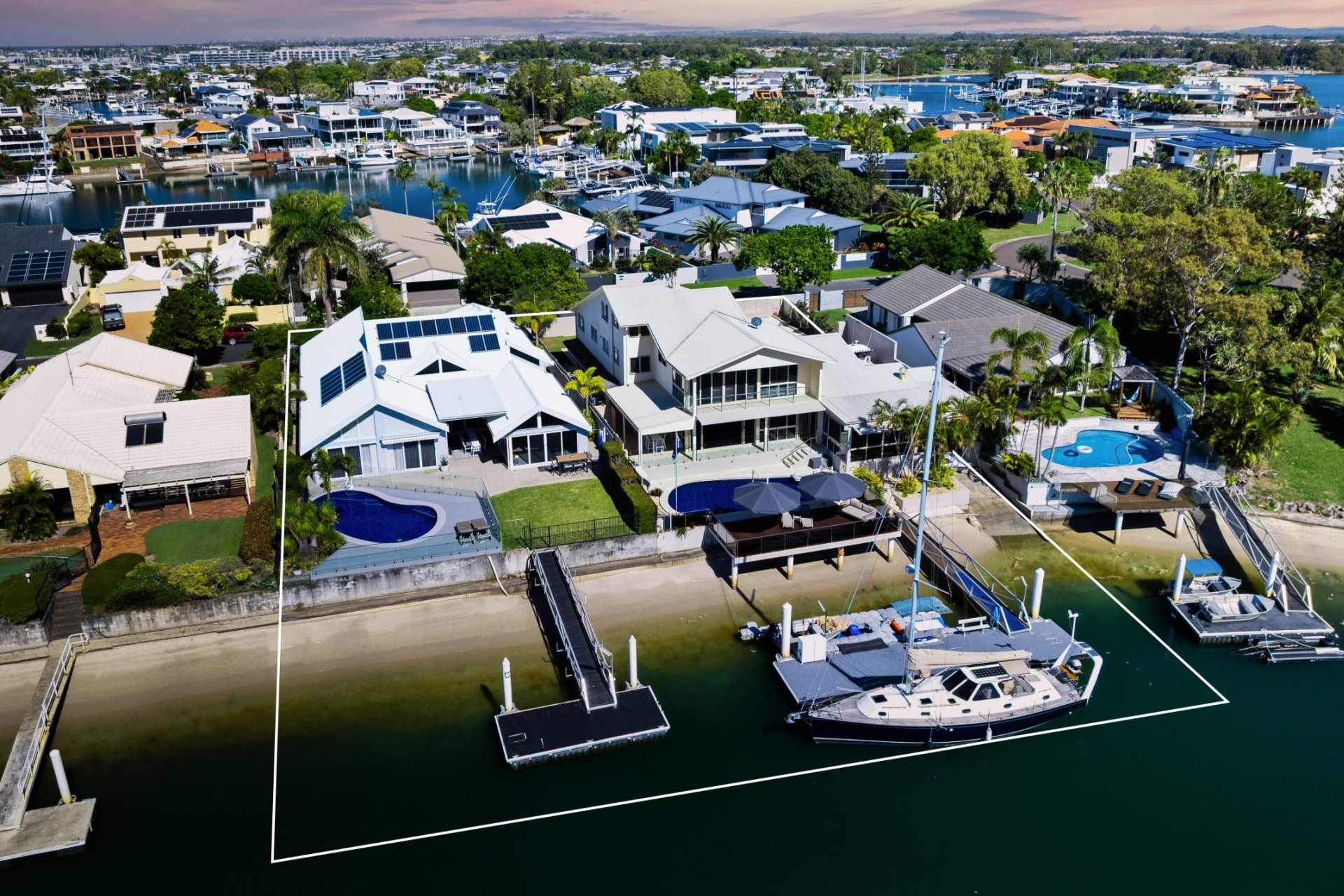
Simon Guilfoyle Markets $13m Dual-Title Minyama Waterfront Holding
Two adjoining Cypress Court homes have been listed together with a combined $13 million price guide, creating a rare dual-title waterfront opportunity at Minyama.
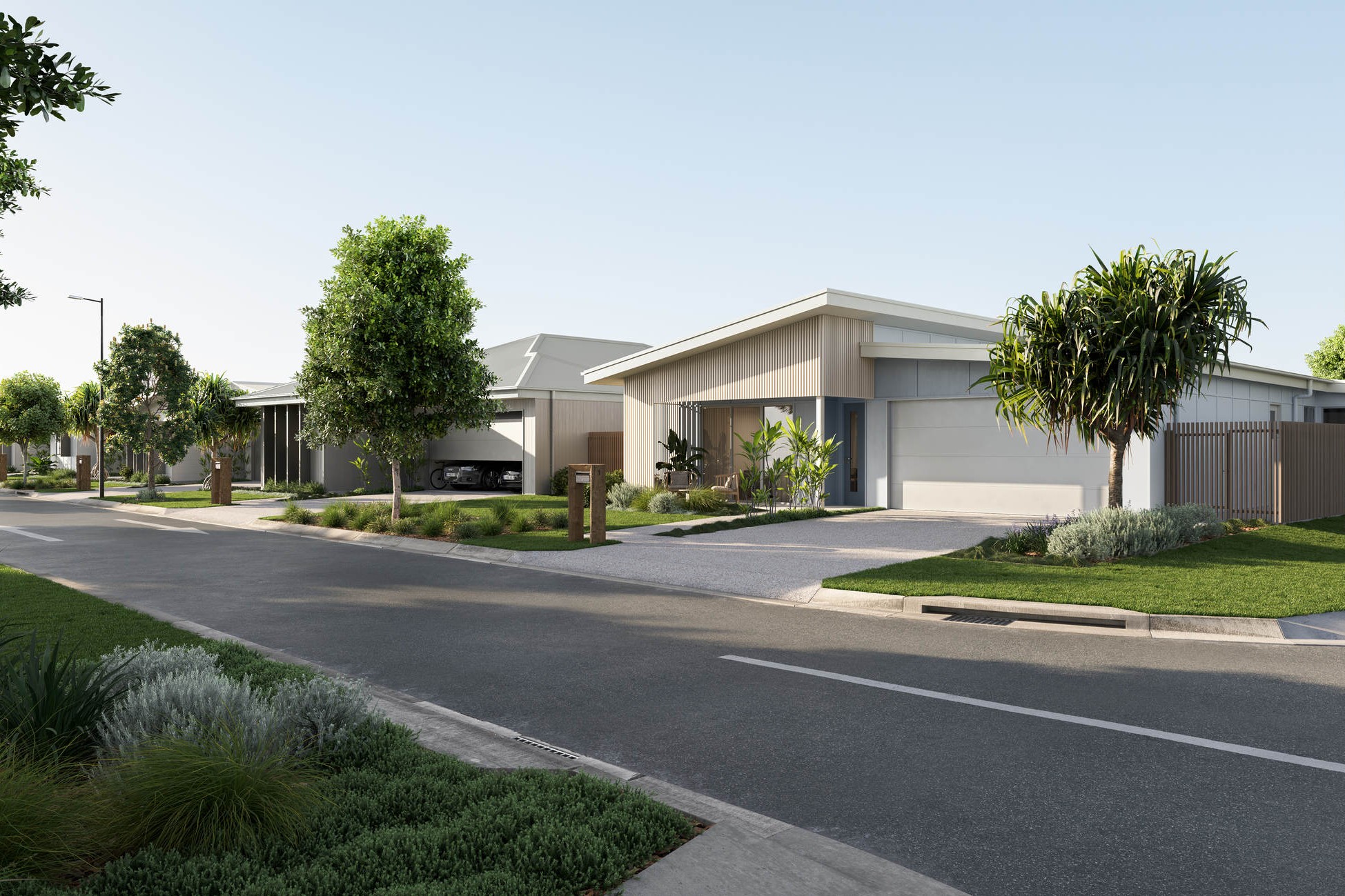
BlueCare Starts Bokarina Beach Village With 28 Homes And 234 Apartments Planned
BlueCare has moved its Bokarina Beach Village project into construction at Wurtulla, adding 28 beach houses in stage one and a further 234 apartments in future stages.